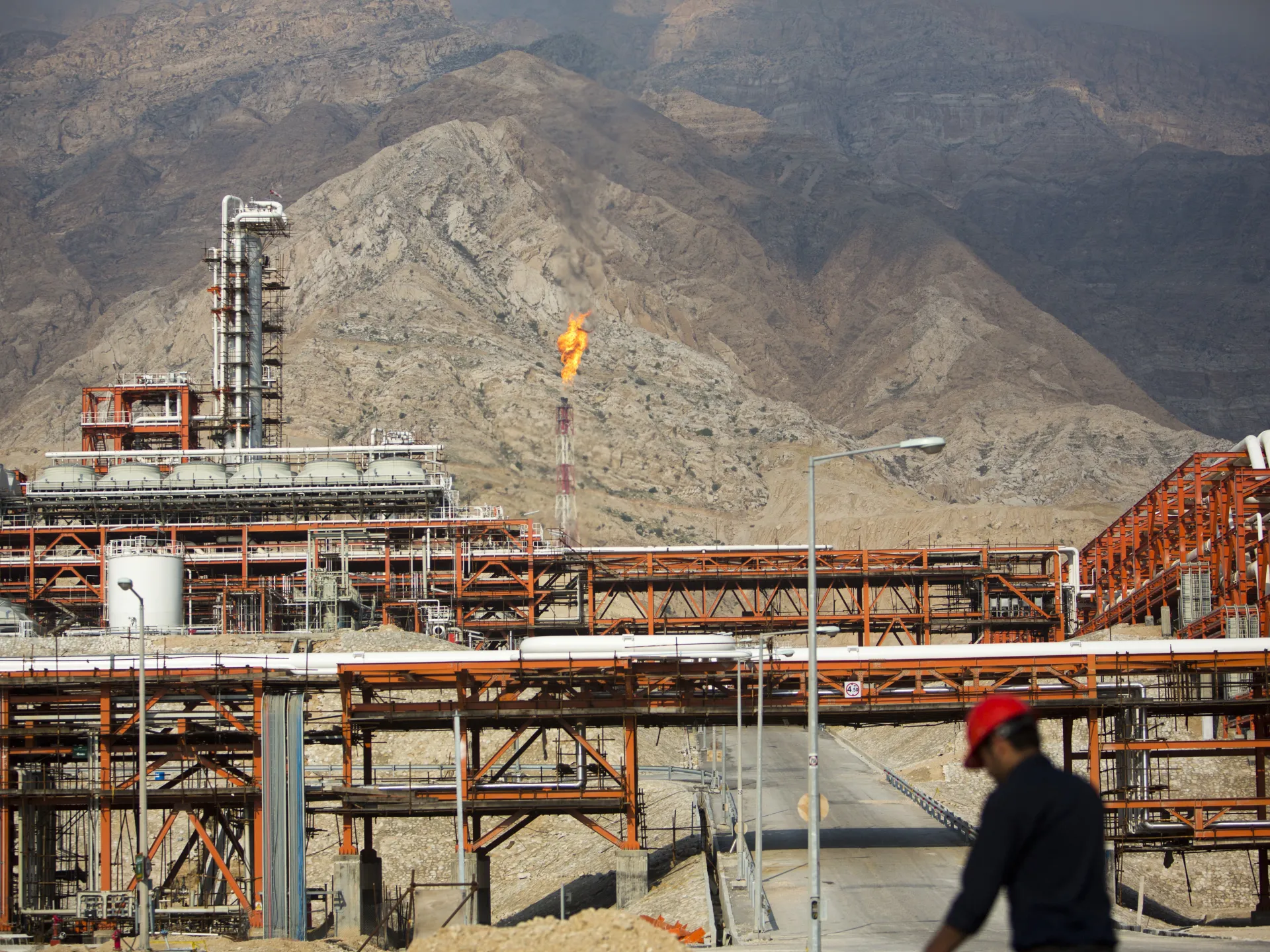

The latest escalation in the Iran conflict has profound implications for the Middle East and North Africa’s (MENA) energy markets, sovereign capital dynamics, and regional infrastructure resilience. The strike on Iran’s South Pars gasfield—a critical asset for both Iranian domestic supply and regional export flows—and subsequent attacks on Gulf energy infrastructure, including Qatar’s Ras Laffan LNG complex, expose vulnerabilities in a sector central to MENA’s economic stability. For Gulf states, which derive substantial sovereign revenue from energy exports, these disruptions risk short-term revenue compression and long-term strategic recalibration. The sustained targeting of energy assets underscores the region’s exposure to geopolitical volatility, potentially triggering increased sovereign capital outflows or redistribution toward diversification initiatives. Venture capital (VC) activity in energy-linked sectors may face near-term headwinds as uncertainty elevates risk premiums, though opportunistic investments in alternative energy technologies or security-enabled infrastructure could emerge as a counterbalance. The cascading effects on energy pricing—evidenced by spikes in LNG and crude futures—further strain import-dependent economies in the Global South, exacerbating fiscal pressures and necessitating strategic reserves management.
The attacks on South Pars and Ras Laffan highlight the fragility of MENA’s energy infrastructure, a linchpin for regional economic integration and global supply chains. South Pars, Iran’s largest domestic gasfield and a key supplier to Iraq, represents not only industrial but also geopolitical leverage. Its disruption risks reducing Iran’s export capacity, thereby limiting its ability to fund proxy operations or offset domestic energy deficits. Meanwhile, Ras Laffan’s partial shutdown—despite its role as the world’s largest LNG producer—reflects the escalating imperative for Gulf states to fortify critical infrastructure against hybrid threats. Sovereign wealth funds across the region may face mounting pressure to allocate capital toward resilience-building measures, such as redundant energy grids or cyber-secure facilities, to mitigate cascading failures. This shift could redirect investments away from traditional hydrocarbon projects toward strategic assets, altering the venture capital landscape. VC firms, historically active in MENA’s energy tech space, may prioritize survivability-focused innovations over speculative energy ventures, reshaping the region’s startup ecosystem amid heightened geopolitical risk.
The recurrence of attacks on energy infrastructure signals a fundraising challenge for regional economic stability and underscores the need for coordinated sovereign and private-sector action. Gulf states, traditionally reliant on energy exports, now face asymmetric risks as their infrastructure becomes a prime target. This could catalyze a recalibration of sovereign capital strategies, with increased emphasis on energy security through diversification or private partnerships. For instance, Qatar and Saudi Arabia may expedite projects like North Field East or AyanGMK to offset losses from Ras Laffan, requiring significant capital mobilization. Concurrently, venture capital ecosystems in MENA may witness a bifurcation: while traditional energy VC faces decline, sectors enabling remote monitoring, satellite-based security, or low-carbon alternatives could attract capital seeking to address infrastructure vulnerabilities. The long-term ramification lies in the region’s capacity to balance immediate security needs with sustainable infrastructure development. Without proactive measures, the current cycle of disruption risks entrenching energy dependency, exerting upward pressure on sovereign debt, and limitingVC appetite in critical sectors. The fallout underscores the interdependence of MENA’s energy security, financial resilience, and technological innovation in an era of persistent conflict.