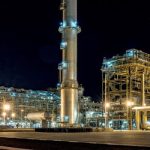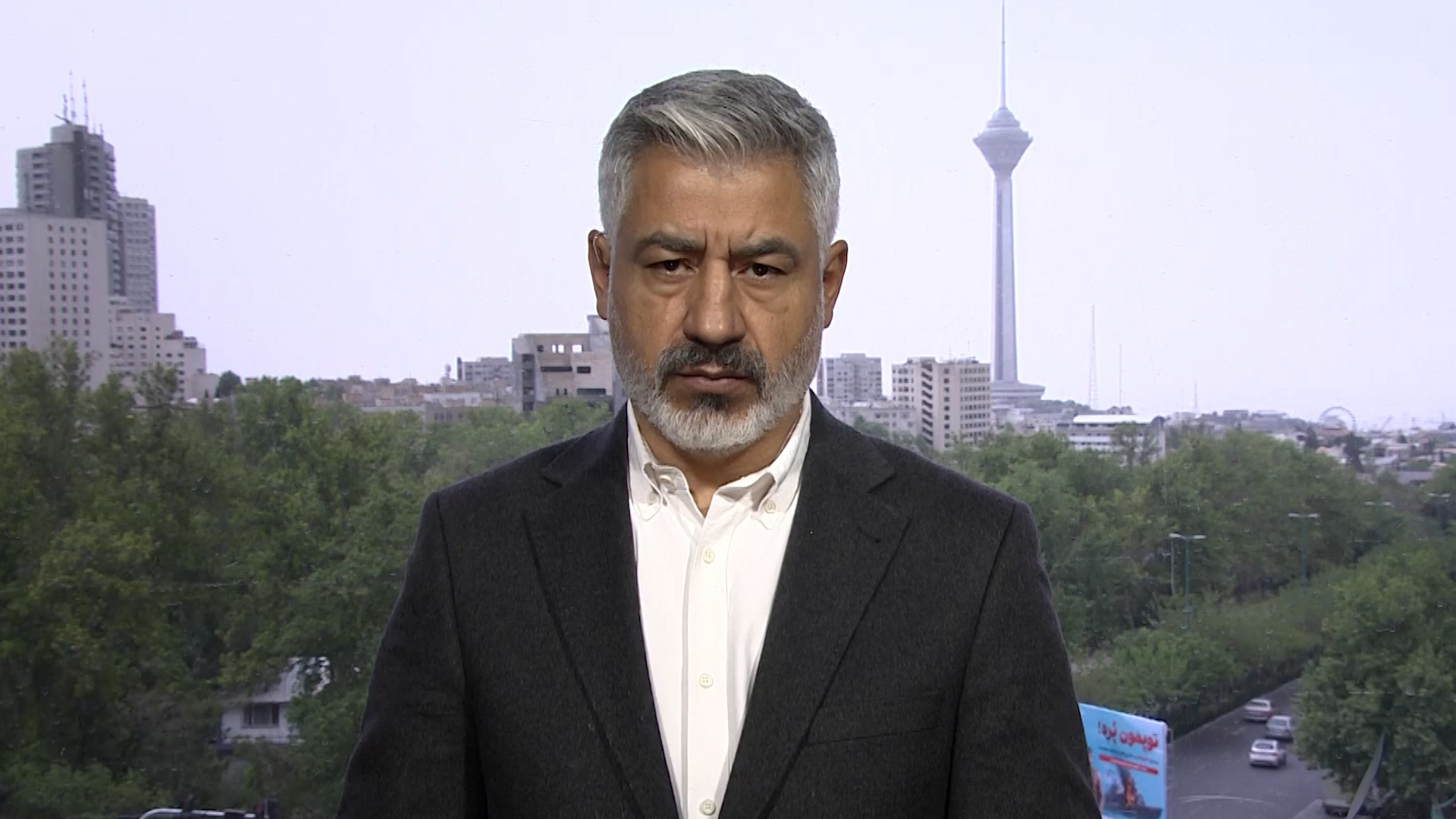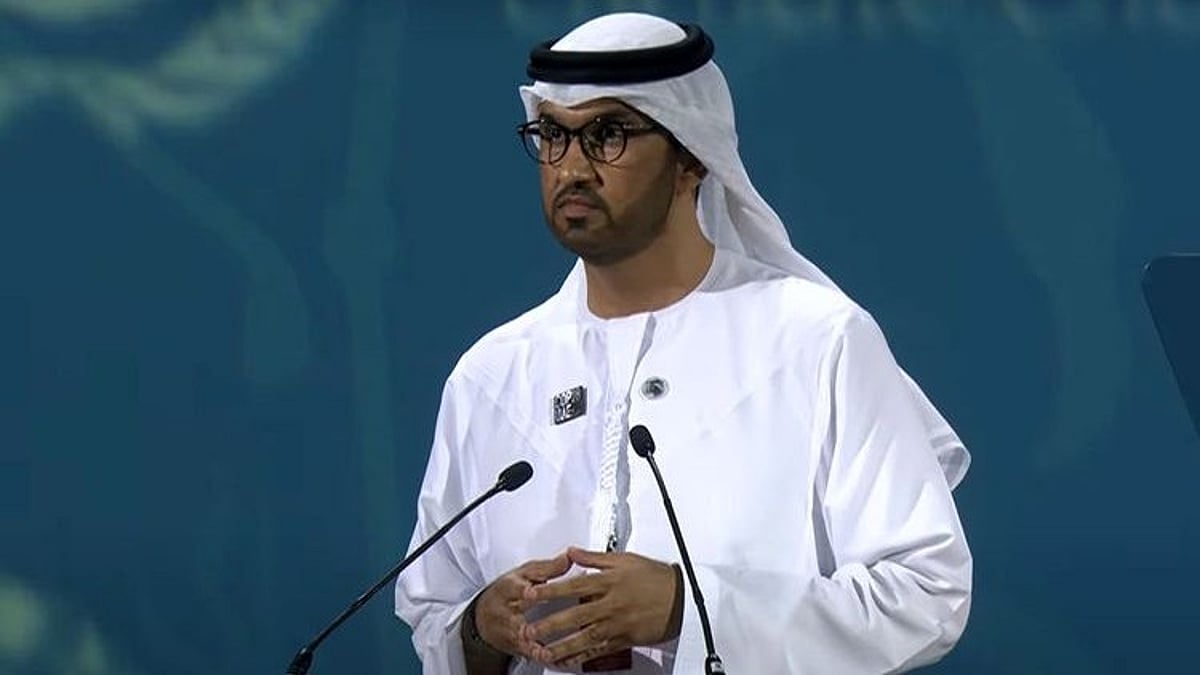

Recent escalating attacks targeting critical energy infrastructure across the Middle East, including facilities operated by ADNOC and other regional players, represent a significant and immediate threat to regional stability and global energy markets. As articulated by ADNOC CEO Sultan Al Jaber, these incidents are not merely localized conflicts but deliberate assaults on civilian assets vital to the economic well-being of the Emirates and broader regional economies. The potential for widespread disruption to energy supplies – a reality underscored by Al Jaber’s assertion that “energy security is global economic stability” – necessitates a rapid and coordinated response from both regional governments and international partners. This situation demands a shift from diplomatic rhetoric towards concrete measures to safeguard these assets and mitigate the cascading effects of potential supply chain interruptions.
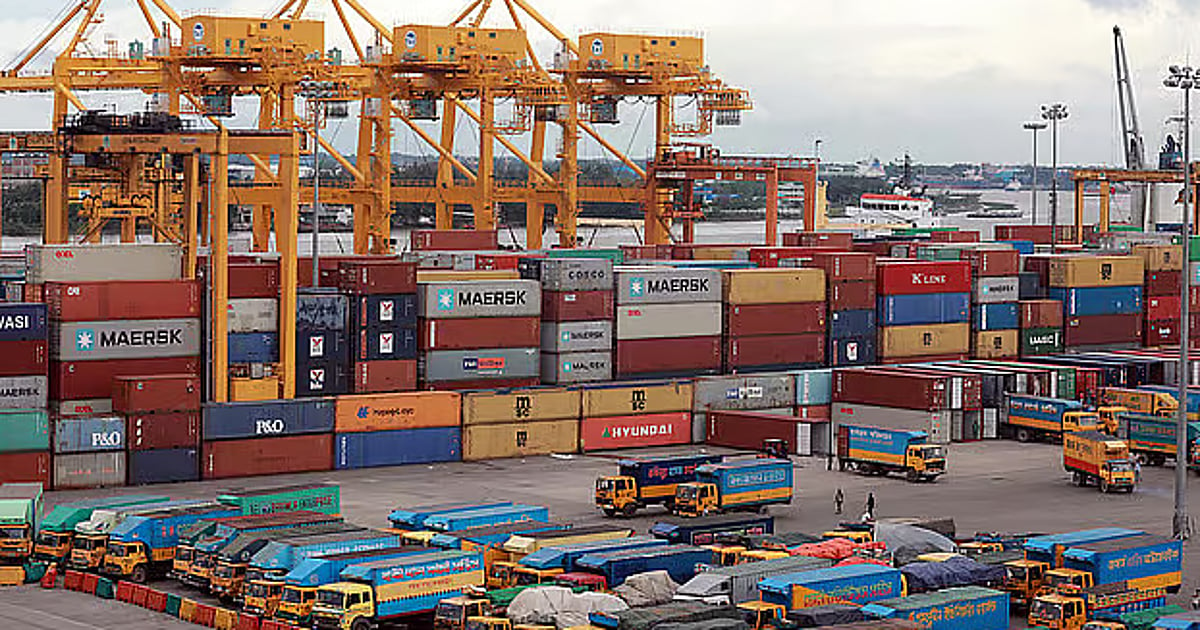
The business impact of these attacks is already manifesting in heightened risk premiums across the energy sector. Sovereign wealth funds, traditionally major investors in oil and gas assets, are likely to reassess their exposure, potentially leading to a contraction in direct investment and a greater reliance on private capital. Venture capital firms, previously focused on renewable energy projects within the region, are now facing increased scrutiny and may redirect capital towards cybersecurity and physical security solutions for critical infrastructure. Furthermore, the attacks underscore the vulnerability of existing regional infrastructure, prompting a critical need for substantial upgrades and diversification – a trend that will inevitably drive increased demand for international engineering and technology firms specializing in resilient energy systems.
Sovereign capital is uniquely positioned to play a stabilizing role. Funds like Mubadala and ADIA, with their deep pockets and long-term investment horizons, can provide crucial capital for bolstering security protocols, investing in redundant energy systems, and supporting the development of localized energy storage solutions. However, this requires a clear commitment from these institutions to prioritize risk mitigation over purely financial returns. Moreover, the attacks highlight the urgent need for enhanced regional cooperation on cybersecurity and intelligence sharing, fostering a more robust defense against future threats. Without such collaboration, the region risks becoming a persistent source of volatility in the global energy landscape.
Finally, the attacks expose critical deficiencies in regional infrastructure resilience. The targeting of civilian energy sites demonstrates a fundamental weakness in security protocols and operational preparedness. Moving forward, significant investment is required not only in physical defenses but also in digital security, operational hardening, and the development of geographically diverse energy sources. This represents a multi-billion dollar undertaking with profound implications for the region’s long-term economic development and its ability to compete in the evolving global energy market. The immediate priority must be to ensure the uninterrupted flow of energy, safeguarding both regional economies and the stability of the international system.