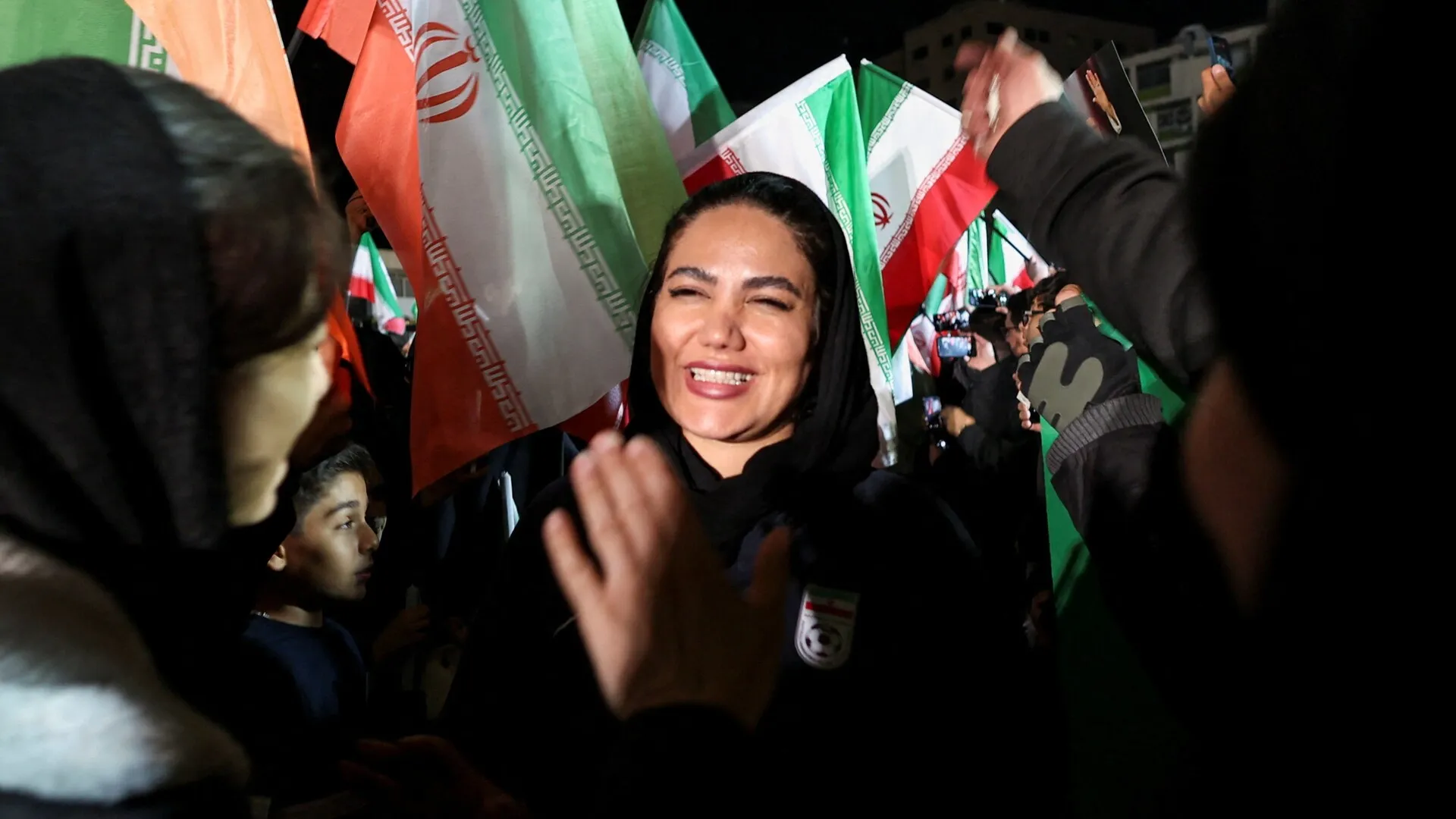

The hero’s welcome extended to Iran’s national women’s football team following their turbulent ordeal underscores the volatile intersection of geopolitics and societal dynamics in the Middle East and North Africa (MENA) region. While the immediate crisis involving accusations of treason and asylum controversies draws global attention, its repercussions extend to business and investment climates. For MENA economies already grappling with structural challenges, such high-profile controversies amplify sovereign risk perceptions, deterring foreign direct investment (FDI) critical to sustaining regional growth. Investors, particularly in sectors like energy and technology, prioritize stability, and persistent political tensions—whether from internal disputes or international sanctions—risk stalling capital flows essential for modernizing infrastructure and diversifying economies beyond hydrocarbon dependencies.
Sovereign capital reserves in the MENA region face dual pressures: domestic fiscal strain from political instability and international sanctions, compounded by declining oil prices. Countries reliant on oil exports, such as Iran, Algeria, and Libya, already face dual mandates—balancing public spending cuts with social unrest while maintaining foreign exchange reserves. Venture capital ecosystems, though nascent in most MENA states, are similarly constrained. A fragile political landscape discourages institutional investors from committing long-term capital to startups, exacerbating a funding gap that stifles innovation. The absence of predictable regulatory frameworks and cross-border investment treaties further disincentivizes participation from global VC firms prioritizing scalability.
Regional infrastructure initiatives, such as the UAE-backed $100 billion Saudi-Moroccan energy corridor or Egypt’s $45 billion High Ambitions Partnership, hinge on diplomatic cohesion. Crises like Iran’s, which strain diplomatic relations across the region, risk fragmenting collaborative projects and diverting resources to domestic containment measures. Conversely, they may catalyze push toward regional integration as a counterweight—Gulf states increasingly pivot toward East Asia and Central Europe, bypassing adversarial neighbors. Technological investments, particularly in AI and fintech, remain vulnerable to these macroeconomic headwinds, as hype around digital transformation clashes with on-ground governance challenges. For MENA to transition toward a diversified, tech-driven future, sovereign stability and business-friendly policies must become non-negotiable imperatives.