
The war in Iran during the Nowruz festival period underscores a stark contrast between cultural continuity and economic disruption in a region already grappling with volatility. Sovereign capital allocation in Iran has prioritized domestic stability and military expenditure over infrastructure or social investments, exacerbating liquidity constraints for private enterprises. This misalignment is evident in the subdued venture capital activity in tech hubs like Tehran, where startups face heightened operational risks and currency devaluation pressures. Regional infrastructure, already strained by sanctions and geopolitical tensions, sees limited foreign or multilateral investment, further fragmenting cross-border digital and logistical networks critical for MENA trade integration.
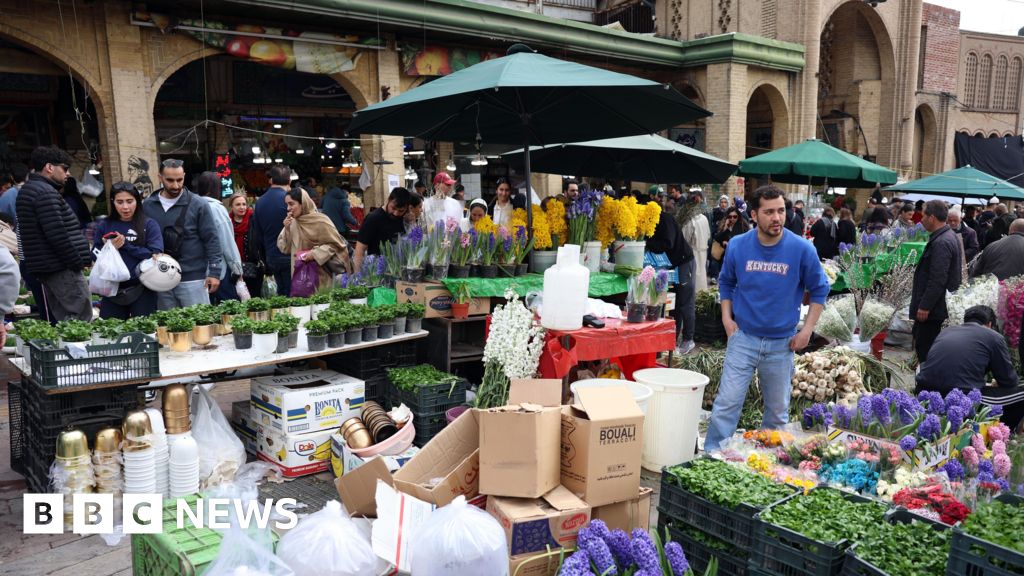
The business landscape in Iran reflects a bifurcated economy: essential sectors tied to energy exports or military-linked industries maintain limited resilience, while tech-driven startups struggle to secure funding or talent amid sanctions and internet restrictions. This dynamic mirrors broader MENA trends where sovereign capital often diverts from venture capital opportunities during crises, favoring state-backed projects over innovative ecosystems. The Nowruz period, typically a driver of cross-border tourism and retail activity, has collapsed into a localized burden, signaling a potential long-term shift in consumer behavior and private sector confidence. Regional venture ecosystems, reliant on diaspora capital and foreign co-investment, face contraction as global risk aversion intensifies, particularly in energy-exporting or strategically sensitive markets.
Infrastructure vulnerabilities in Iran during wartime highlight systemic weaknesses in MENA’s regional connectivity. Critical digital and transportation infrastructure lacks redundancy, with sanctions complicating rápida repairs or upgrades. This environment discourages sovereign-backed projects aimed at digital transformation or smart cities, diverting attention toward short-term survival metrics. However, the conflict may inadvertently accelerate niche tech innovations in agritech or defense logistics, attracting targeted venture capital. For the MENA region, Iran’s experience serves as a cautionary tale: stagnation in sovereign and private capital flows during instability risks entrenching systemic fragility, whereas proactive infrastructure modernization could unlock future growth amid recurring shocks.