
The conflation of geopolitical brinkmanship with energy markets by President Trump’s public commentary has introduced a volatile credit risk premium across the Middle East and North Africa. Sovereign capitals, particularly in Gulf states, are reassessing portfolio allocations as sustained uncertainty over oil and gas supply chains erodes investor confidence in near-term economic stability. This skepticism is compounding capital outflows from legacy infrastructure projects in the region, as nations reluctant to accelerate sovereign wealth fund deployments into regions perceived as politically fraught. The ripple effect is most acute in real estate and commodity-linked asset classes, where speculative trading volumes have spiked amid narratives of prolonged supply disruptions. From a sovereign lens, this volatility could catalyze a strategic recalibration of regional fiscal policies, with countries like Saudi Arabia and UAE likely to prioritize energy security guarantees over traditional export-focused growth initiatives.
Venture capital ecosystems in the MENA are facing an inflection point, with funding priorities bifurcating amid geopolitical turbulence. While defense technology startups may see short-term inflows from state-backed funds seeking to hedge against regional instability, sectors reliant on uninterrupted supply chains—particularly logistics and agri-tech—are witnessing funding retreats. The conflict’s impact on cross-border data flows and digital infrastructure is further dampening enthusiasm for tech ventures dependent on seamless connectivity. However, this divergence presents an emerging opportunity for niche investments in telecom resilience or decentralized energy solutions, which could gain traction as entities seek to mitigate vulnerabilities. The critical differentiator will be the capacity of regional ecosystem builders to articulate risk-adjusted returns in a climate where macroeconomic assumptions are increasingly contested.
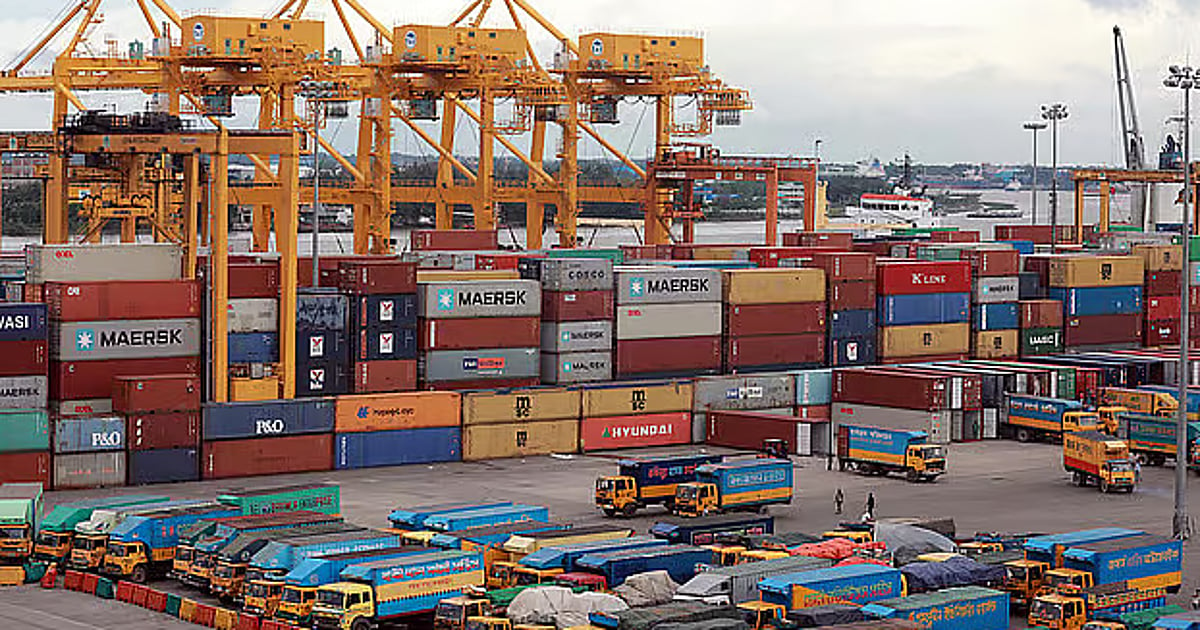
The infrastructural deficits in key transit corridors—specifically pipelines, ports, and digital backbone networks—are poised to face acute stress under the current geopolitical calculus. Disruptions to Gulf oil and gas exports are not merely logistical challenges but catalysts for deferred maintenance and capital shortfalls in these critical assets. Regionally coordinated infrastructure investment, long a cornerstone of MENA’s growth models, now faces existential questioning as sovereign entities weigh the cost of repairing existing networks against the risks of new projects. This could accelerate a shift toward regional value addition, with countries investing in refining capabilities or renewable energy infrastructure to reduce reliance on volatile hydrocarbon markets. The long-term implication is a reconfiguration of MENA’s industrial architecture, pivoting from resource-centric to technology-enabled solutions that align with global decarbonization trajectories while insulating against future supply shocks.