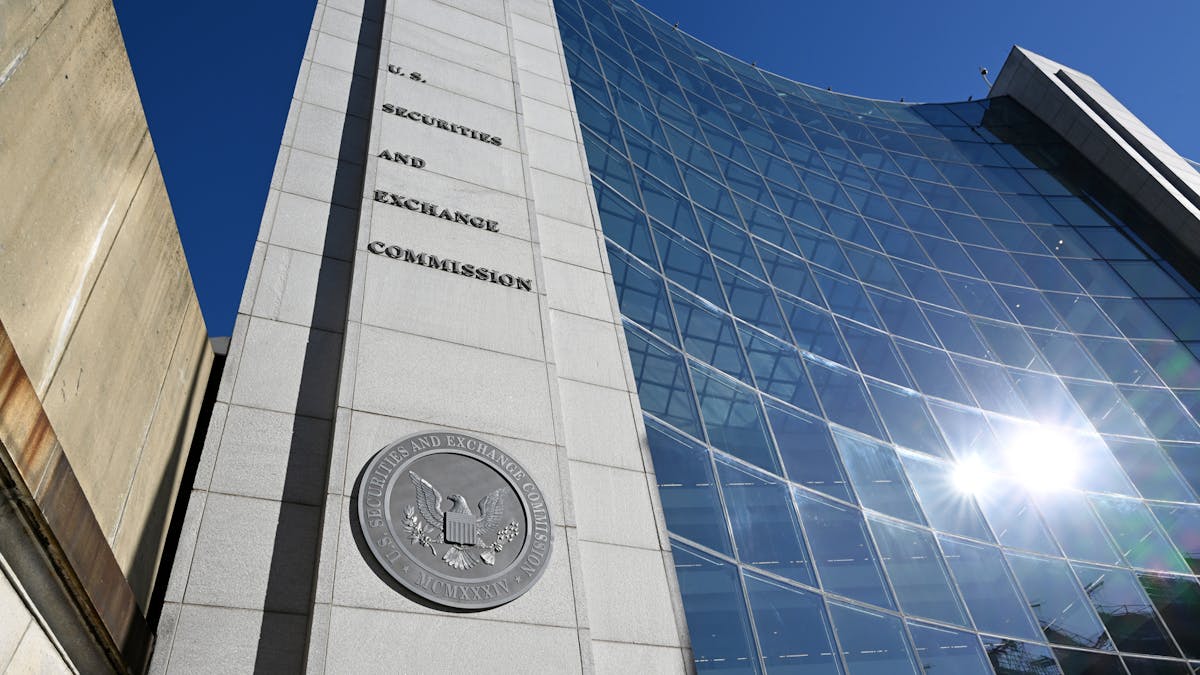

The Securities and Exchange Commission’s exploration of moving from quarterly to semi‑annual financial reporting aims to alleviate the costly and time‑intensive disclosure burden that has long deterred mature private companies from pursuing public listings. By cutting the frequency of mandatory earnings releases, the SEC anticipates lowering the administrative overhead for issuers, potentially unlocking a wave of IPOs from technology‑driven firms that have remained private to avoid relentless short‑term market pressure.
For the Middle East and North Africa, this shift dovetails with the strategic ambitions of sovereign wealth funds such as Saudi Arabia’s Public Investment Fund, Abu Dhabi’s Mubadala and ADQ, and Qatar Investment Authority. These investors have been actively seeding domestic capital markets—most notably Tadawul, the Dubai Financial Market, Abu Dhabi Securities Exchange, and the Egyptian Exchange—to diversify away from hydrocarbon revenues. A reduced reporting cadence would make regional listings more attractive to both local SWFs and foreign institutional investors, who could allocate larger tranches to growth‑stage assets without the friction of quarterly scrutiny, thereby accelerating the monetisation of flagship Vision 2030 and National Vision 2030 projects.
Venture capital firms operating across the MENA corridor are similarly positioned to benefit. The existing mismatch between the typical VC horizon of five to seven years and the quarterly earnings cycle has often forced premature exits or costly secondary transactions. Semi‑annual reporting aligns more closely with the longer‑term value creation narrative that VCs champion, encouraging larger late‑stage rounds and facilitating smoother transitions to public markets for high‑growth unicorns in fintech, logistics, and renewable energy. However, market participants will need to bolster governance frameworks and voluntary disclosure practices to maintain investor confidence, ensuring that the potential IPO surge translates into sustainable, transparent capital formation for the region’s evolving infrastructure and digital economy.