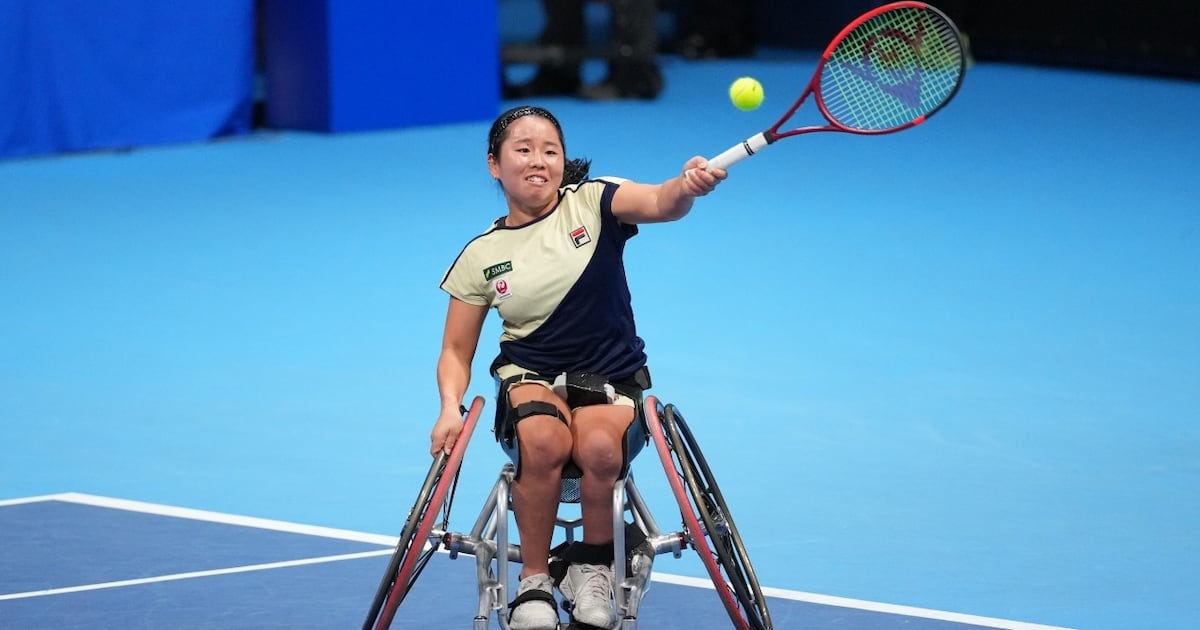

The participation of wheelchair tennis champion Yui Kamiji in the Mubadala Abu Dhabi Open invitational underscores a strategic alignment between global adaptive sports initiatives and the Middle East’s broader economic diversification objectives. Hosted alongside the inaugural standalone WTA event featuring wheelchair tennis, the clinic and exhibition matches—attended by Kamiji, Bernal, and Griffioen—directly support sovereign-backed efforts to position Abu Dhabi as a hub for inclusive sports tourism and legacy infrastructure. This aligns with Mubadala Investment Company’s documented strategy of leveraging sports assets to drive non-oil sector growth, enhance global soft power, and stimulate ancillary industries ranging from hospitality to accessibility-focused urban development.
From a venture capital perspective, such events catalyze measurable downstream effects within the MENA region’s emerging adaptive technology and sports innovation ecosystems. The visibility generated by Paralympic-caliber athletes engaging with local communities—particularly through youth clinics and disability advocacy workshops—creates demonstrable demand for specialized equipment, accessible facility design, and digital engagement platforms. Sovereign wealth funds and government-backed accelerators in Saudi Arabia, UAE, and Qatar are increasingly allocating capital to these niches, recognizing both social impact imperatives and commercial opportunities in the projected $1.2 trillion global disability market by 2030, where inclusive sports infrastructure represents a high-growth vertical.
The Abu Dhabi engagement also reflects a maturing approach to sports diplomacy, where elite athlete participation serves as tangible proof of concept for hosting major Para-sport events—a critical consideration as regional capitals bid for future Paralympiads and World Championships. Successful integration of adaptive sports into premier tournaments like the Mubadala Open not only fulfills IOC accessibility mandates but also de-risks substantial sovereign investments in purpose-built venues by demonstrating sustained community utilization and international appeal. For MENA stakeholders, this model transforms symbolic inclusion into quantifiable economic returns through extended venue monetization, talent pipeline development, and strengthened positioning in the global sports governance landscape.