
The explosive growth of artificial intelligence has created a paradoxical investment landscape where the most promising opportunity may lie not in AI algorithms but in the foundational infrastructure required to power them. While venture capitalists have deployed over $500 billion into AI startups during the past five years, a quiet revolution is taking place in the energy sector that could determine which companies ultimately succeed in the AI race.
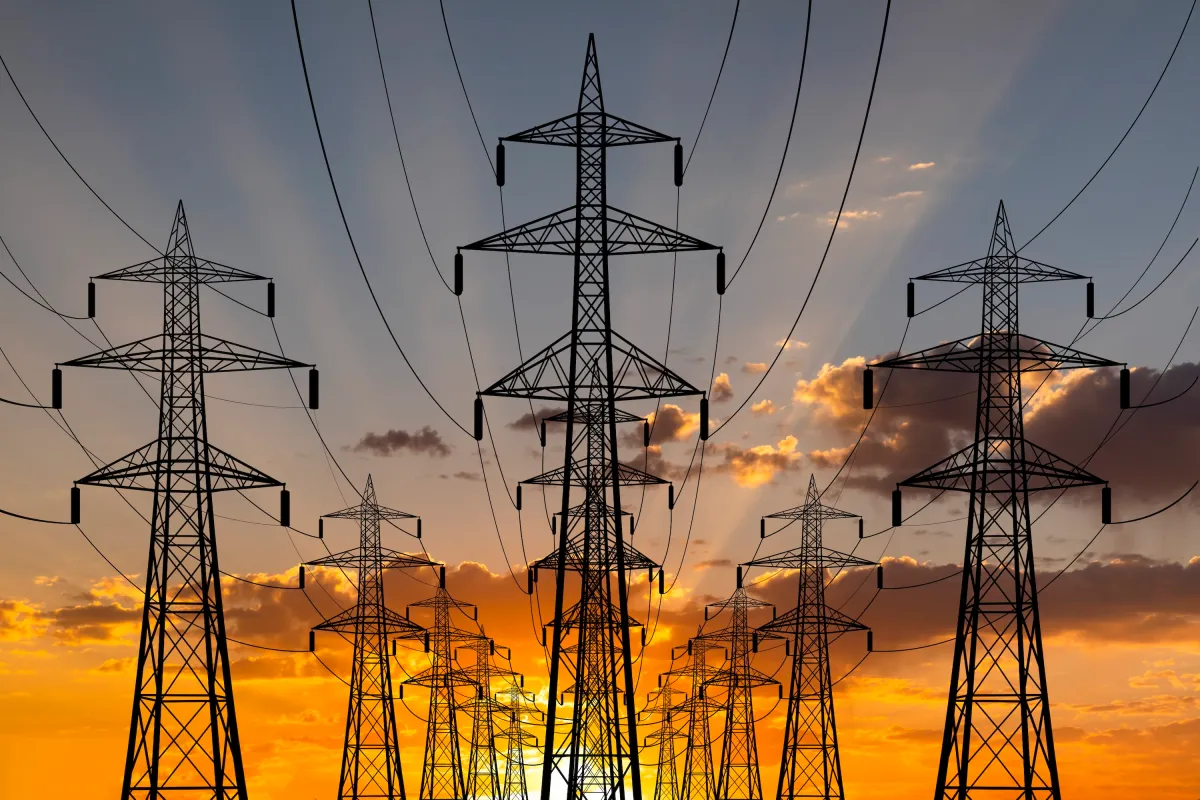
Current data center capacity constraints reveal a stark reality: of 190 gigawatts announced, only 5 gigawatts are under construction, while 36% of projects faced delays in 2025. The bottleneck is unequivocal—access to reliable power. Projections indicate AI-driven data center power consumption will surge 175% by 2030, creating an infrastructure crisis that transcends the tech industry. This gap between AI computational growth and power grid capacity represents a trillion-dollar investment opportunity spanning multiple market segments.
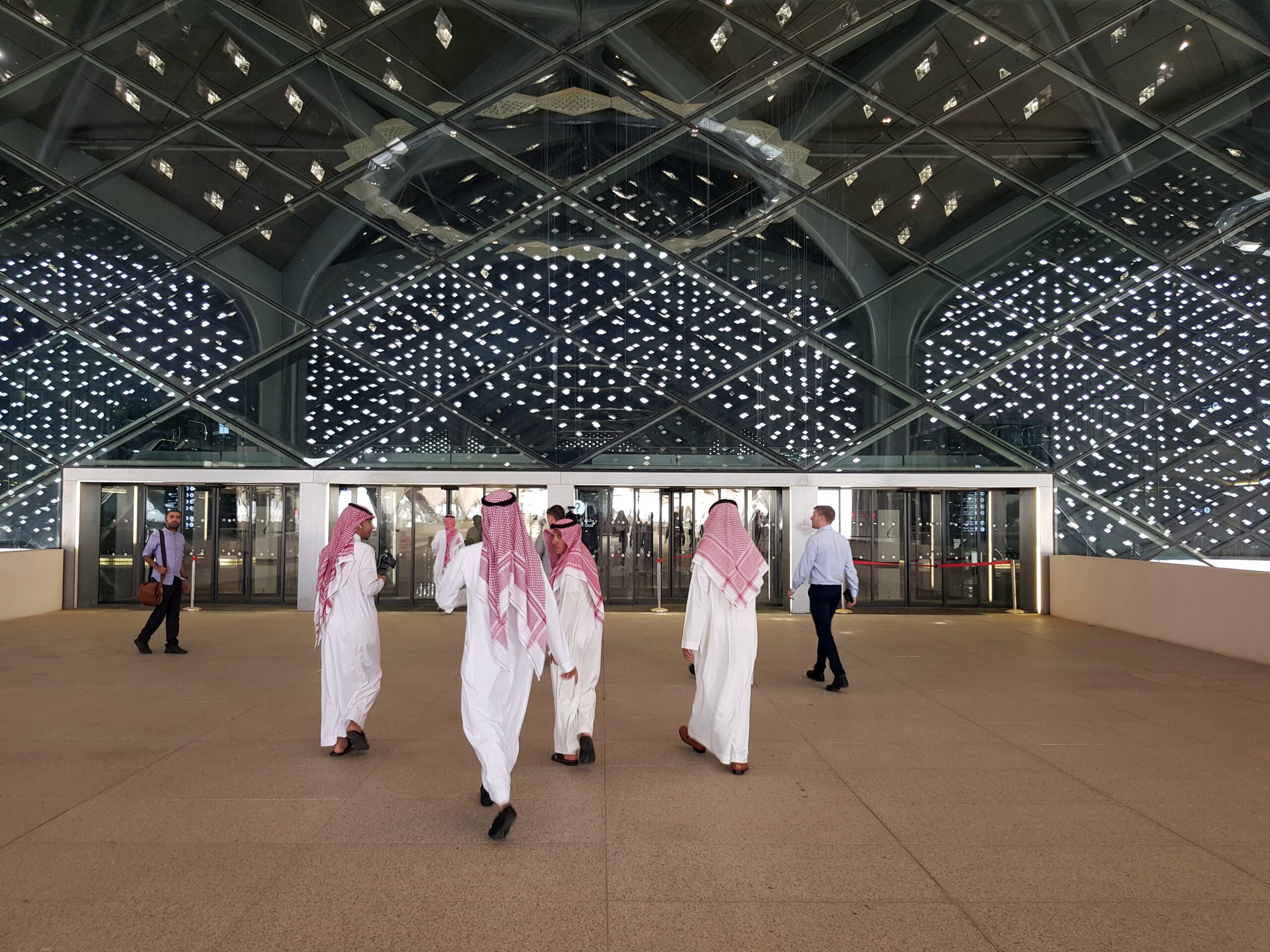
Sovereign wealth funds and strategic investors across the Middle East and North Africa are uniquely positioned to capitalize on this infrastructure imperative. The region’s traditional hydrocarbon wealth provides capital for massive energy infrastructure projects, while its geographic location enables strategic positioning as a data center hub bridging Europe, Asia, and Africa. Countries like Saudi Arabia and the UAE are already pivoting toward AI leadership through initiatives that require unprecedented energy resources—initiatives that cannot succeed without adjacent investments in power generation, transmission, and storage infrastructure.
Beyond simple capacity expansion, the AI power challenge is driving innovation in electrical infrastructure itself. Solid-state transformers, grid-scale batteries, and advanced power management software represent under-the-radar investment opportunities that address fundamental technical constraints. These technologies—though receiving less headline attention than AI model training—are becoming critical competitive differentiators. As data center power densities triple, companies gaining mastery over energy infrastructure will possess a decisive advantage over those focused solely on computational breakthroughs. The transformation of energy from a commodity input to a strategic technology domain marks the first major infrastructure investment cycle since the internet’s commercialization, with implications reaching far beyond Silicon Valley to reshape global energy markets and investment strategies.