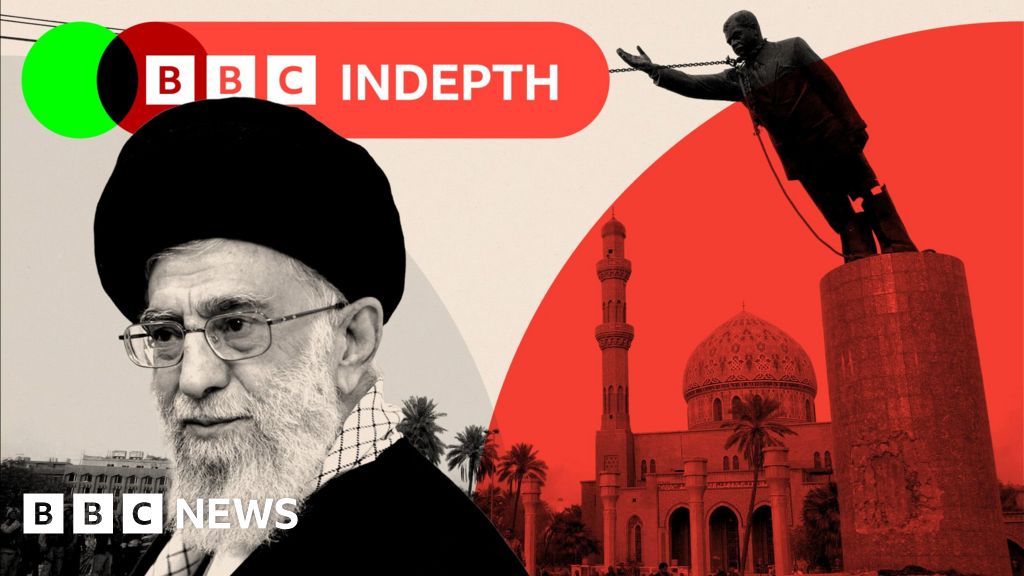

The U.S. invasion of Iraq in 2003 was not merely a military operation but a pivotal moment that redefined capital flows, investment strategies, and sovereign power structures across the MENA region. Washington’s neo-conservative architects—determined to replace hostile dictatorships with democracies—envisioned Iraq as the first domino in a chain that would reshape the geopolitical and economic order. Tehran, they believed, would follow. This broader strategic ambition signaled to sovereign wealth funds in the Gulf that alignment with U.S. objectives could unlock preferential access to capital markets and defense partnerships.
For regional investors, the war in Iraq catalyzed a recalibration of risk and opportunity. Venture capital began to flow more aggressively into sectors poised to benefit from reconstruction, cybersecurity, logistics, and telecommunications infrastructure, particularly in the Gulf Cooperation Council (GCC) states. Sovereign capital was increasingly allocated to dual-use technologies and fintech ecosystems designed to fortify economic resilience against potential regional instability. As the U.S. projected its hard power in Baghdad, regional governments accelerated plans to insulate their economies from external shocks, channeling resources into sovereign tech funds and diversification away from oil dependency.
The long-term impact of this dual agenda—imposed democratic reform and restored U.S. deterrent power—is a MENA region where sovereign capital now plays a central role in national security strategy. Infrastructure investment is increasingly bundled with technological autonomy, as state actors race to develop local innovation hubs that can offset reliance on Western or Asian tech dominance. The war in Iraq, paired with Washington’s enduring focus on Iran, institutionalized a relationship between military strategy and capital allocation: an alliance where venture capital, infrastructure development, and sovereign wealth converge to shape the next phase of Middle East economic influence. This alignment will continue to define risk premiums, investment flows, and sovereign power structures for decades to come.