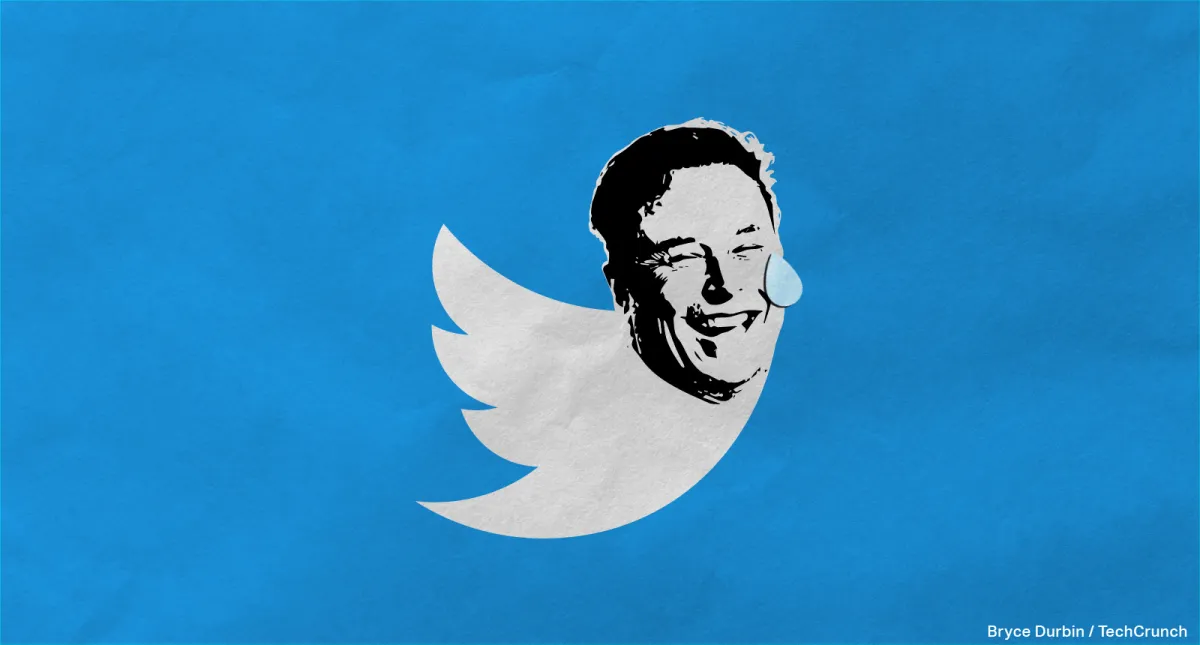

The California civil jury’s determination that Elon Musk deliberately misled Twitter investors ahead of the 2022 acquisition establishes a formidable legal benchmark for executive accountability in global capital markets. For Middle East and North Africa (MENA) sovereign wealth funds—such as Saudi Arabia’s Public Investment Fund and the Abu Dhabi Investment Authority, which have allocated tens of billions toward technology platforms and AI ventures—this verdict intensifies scrutiny on governance risks associated with founder-led enterprises. The ruling mandates a recalibration of due diligence protocols, particularly regarding social media communications and acquisition rhetoric, potentially redirecting sovereign capital toward investments with stricter oversight mechanisms or toward regional tech entities that demonstrate institutionalized transparency to avoid similar litigation exposures.
Venture capital dynamics across MENA stand to be reshaped as investor sentiment grows wary of charismatic founder models prone to sensational disclosures. The region’s startups, reliant on foreign funding streams from Silicon Valley and European funds, now face heightened pressure to adopt robust governance clauses that curtail unilateral executive communications. This legal precedent could accelerate the institutionalization of MENA’s VC landscape, with firms increasingly favoring cap tables that include independent board oversight and clear penalties for misinformation—a shift essential to securing sustained capital inflows and mitigating the reputational spillovers from high-profile U.S. tech litigation.
Infrastructure development trajectories in MENA, particularly in artificial intelligence and space technology, confront indirect but significant implications from Musk’s merging of X, xAI, and SpaceX. Sovereign-backed megaprojects, from Saudi Arabia’s NEOM to the UAE’s space exploration initiatives, often pursue partnerships with global tech pioneers whose governance stability is paramount. The entanglement of legal liabilities with strategic capabilities may compel MENA states to diversify alliances, favoring collaborations with European or Asian corporations that present lower litigation risks. This could redirect regional infrastructure investments toward more predictable joint ventures, altering the competitive landscape for data center and satellite network deployments across the Gulf and North Africa.
Conclusively, the Musk ruling transcends a mere corporate dispute; it signals a watershed for MENA’s economic diversification strategies. As hydrocarbon-reliant states accelerate bets on technology and innovation, the imperative to embed stringent regulatory frameworks becomes non-negotiable. Sovereign and venture capital will increasingly reward entities that prioritize disclosure integrity and board autonomy, thereby safeguarding capital deployments. For MENA’s financial and technology architects, the lesson is clear: sustainable growth in the digital age demands not only visionary investments but also the institutional fortitude to preempt governance failures that could destabilize regional infrastructure ambitions and capital markets integration.