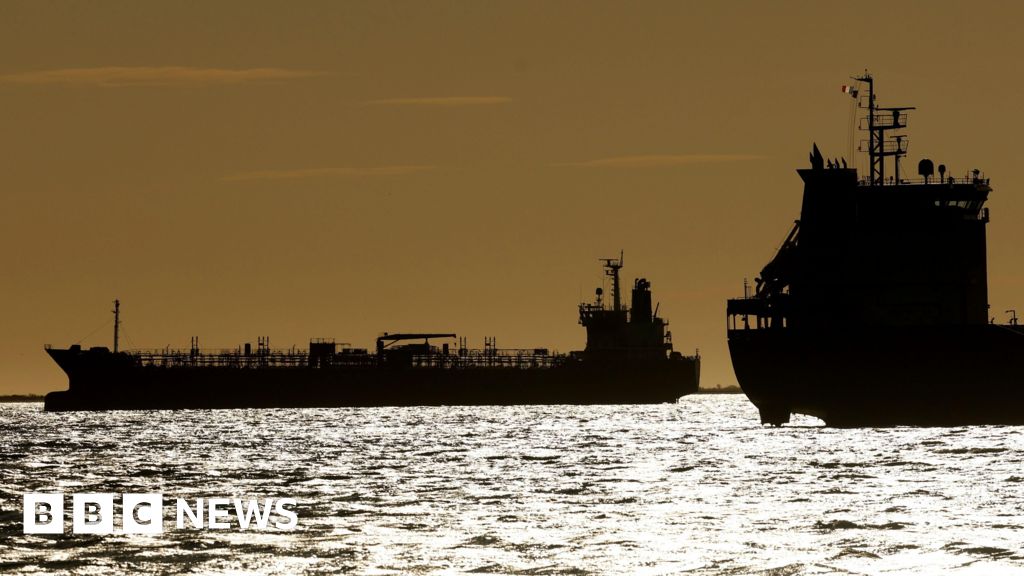

The United States Treasury Secretary’s announcement, aimed at expediting oil imports into global markets, is poised to have immediate and long-term implications for the Middle East and North Africa (MENA) region. The release of 140 million barrels of strategic reserves is anticipated to influence sovereign wealth funds and governmental investment strategies. MENA governments, notably those in Gulf Cooperation Council (GCC) countries, have leveraged their sovereign wealth funds to diversify away from oil dependency, ensuring resilience against fluctuations in global energy prices and securing strategic assets globally.
However, the influx of additional oil supply may exert downward pressure on crude prices, potentially affecting the revenue streams of oil-rich nations like Saudi Arabia and the United Arab Emirates. These economies have been accelerating investments in technology infrastructure to foster digital transformation, aiming to attract venture capital and stimulate innovation. A sustained period of lower oil prices could divert funds from tech advancements, as governments prioritize stabilizing core revenue sources. This shift could hinder regional ambitions to become tech innovation hubs, possibly delaying critical infrastructure projects and limiting venture capital inflows.
From a venture capital (VC) perspective, MENA’s rapidly evolving startup ecosystem could also be impacted. Startups in fintech, e-commerce, and clean energy sectors, which have been garnering significant VC investments, may face reduced capital availability if energy giants cut back on non-core spending. However, it is essential to note that VC market dynamics often respond to broader economic indicators. While short-term impacts may be felt, long-term investor interest in MENA’s tech sector is likely to remain strong, given the untapped potential and strategic importance in global tech landscapes. Regional governments and VC firms will need to navigate this potential instability, ensuring continuous support for innovation and infrastructure development.
Furthermore, the dynamics of regional infrastructure projects, many of which are underpinned by sovereign capital, could experience delays or reassessments. Projects such as Vision 2030 in Saudi Arabia and UAE’s Economic Vision 2030 emphasize technology and infrastructure investments. Any diversion of sovereign wealth funds from these initiatives could have far-reaching consequences, potentially stalling progress and delaying technological advancements. To mitigate these risks, MENA nations must focus on fiscal prudence, ensuring that strategic investments are protected and that over-dependency on oil revenues is mitigated through sustained diversification efforts. The region’s response to this latest geopolitical and economic maneuver will be crucial in determining its long-term sustainability and competitiveness in the global arena.