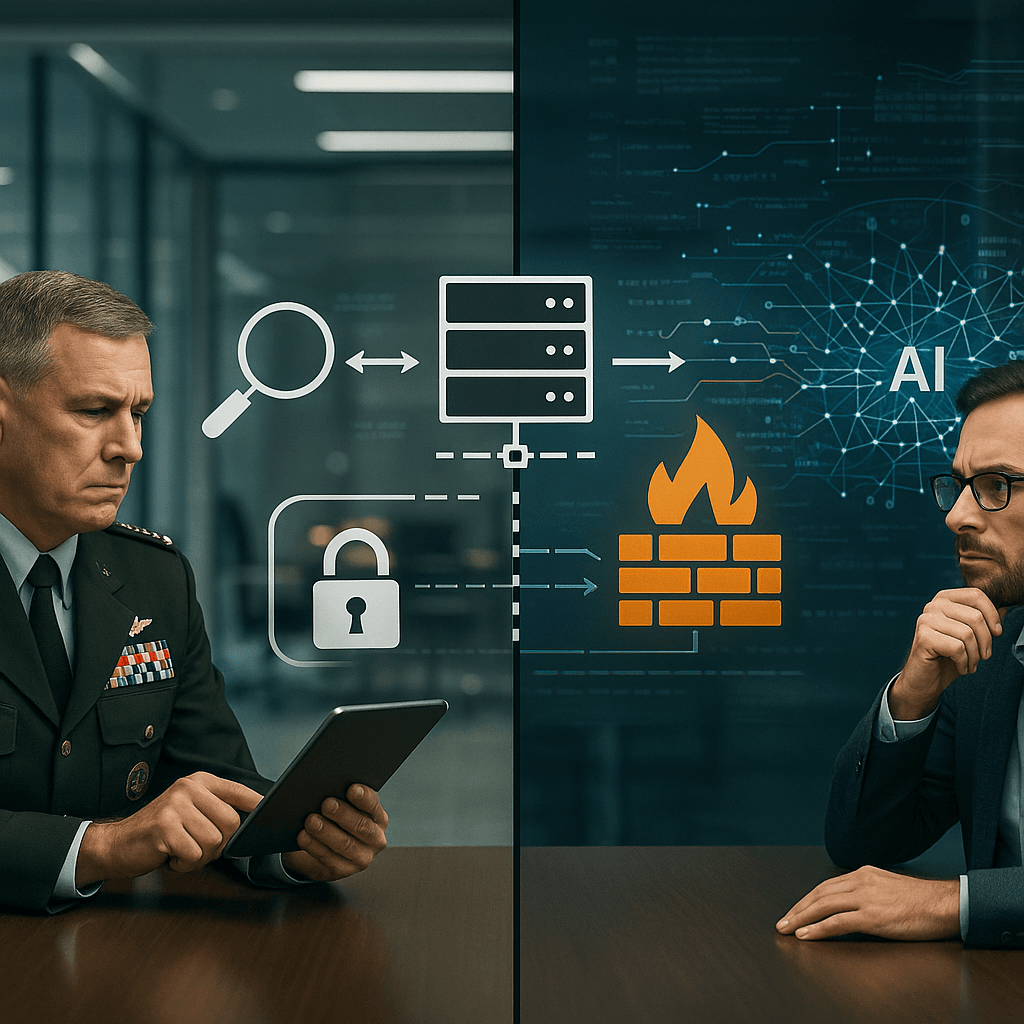

The exchange between the U.S. Department of Defense and AI company Anthropic highlights thorny sovereignty issues that resonate deeply across the Middle East and North Africa. For regional governments pivoting toward advanced digital infrastructure, the ability to retain absolute control over mission-critical AI systems—especially in defense and security domains—has become a non-negotiable imperative. The DoD’s concerns about the possibility of external manipulation of AI models during active operations mirror MENA’s broader unease with over-dependence on foreign technology providers. As the region’s sovereign wealth funds and state-linked enterprises bulk up investments in AI, local governments are likely to accelerate efforts to internalize these capabilities or at least ensure that any technology deployed comes with ironclad guarantees against remote interference or control.
Venture capital trends across MENA already point to a strategic shift, with an increasing share of investment targeting domestic AI builders and infrastructure providers with the capacity to operate independent of American or European cloud backbones. In markets like Saudi Arabia and the UAE, nascent AI champions are being tasked not just with developing competitive models, but also with delivering full-stack deployment that insulates end users from the supply chain vulnerabilities flagged by the Pentagon. The crypto-AI fusion being explored in certain Gulf states could further de-risk operational flexibility, enabling decentralized computing architectures that remove single points of control. For MENA’s sovereign funds, funding such self-reliant paths is becoming as much about geopolitical leverage as it is about technological leadership.
The dispute is also likely to reverberate through procurement policies across the region. Defense ministries in the Gulf and beyond may adopt more rigorous classification systems for AI-centric hardware and software, potentially banning purely cloud-delivered solutions for systems underpinning jobs, budgets, and national security. This could drive the construction of localized data centers, sovereign cloud platforms, and zero-trust AI algorithms developed inside national borders. For regional infrastructure investors, the short-term cost of building out these siloed systems may be high, but in the long run, such moves align with the strategic necessity of operability in crisis scenarios without depending on the goodwill or technological stability of external providers. MENA’s trajectory, as seen in parallel with DoD’s stances, is unmistakably toward technological autonomous development.