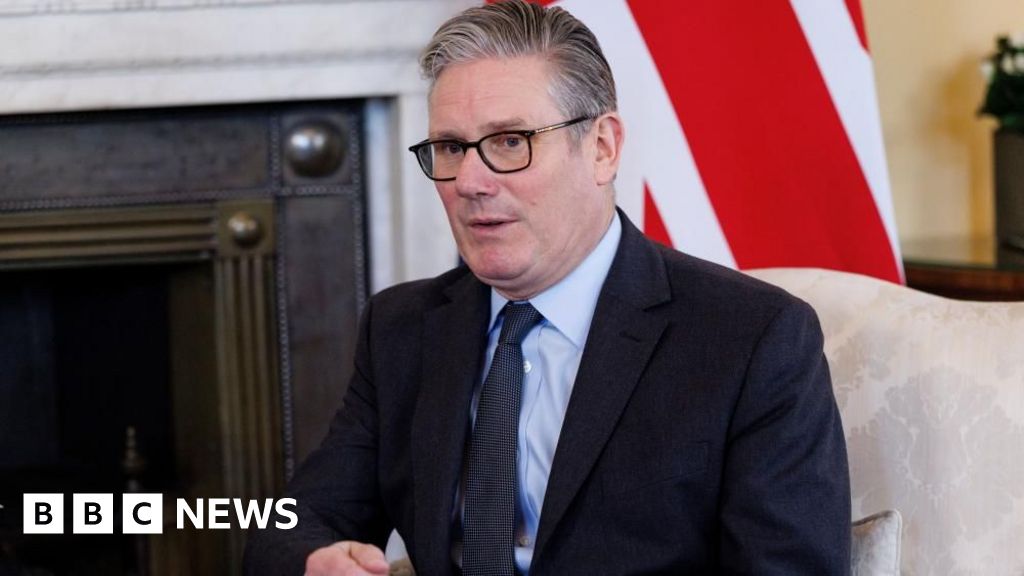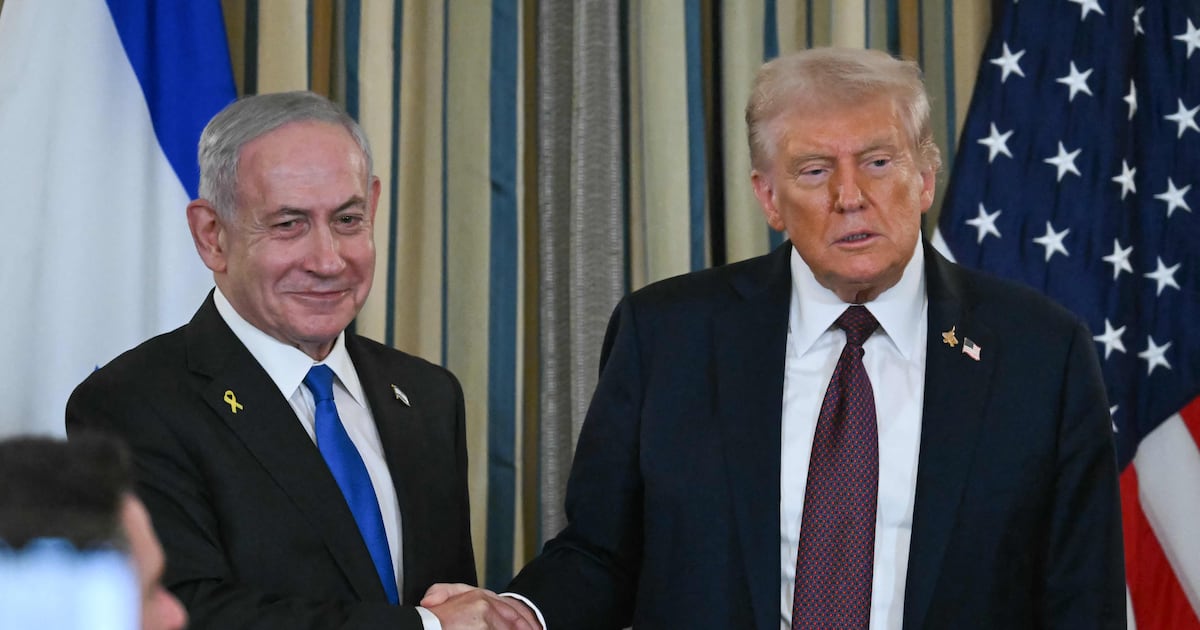

The recent escalation of tensions between the US, Israel, and Iran has significant implications for the Middle East and North Africa (MENA) region, with far-reaching consequences for sovereign capital, venture capital, and regional infrastructure. The US and Israel’s differing objectives in the conflict have raised concerns about the potential for prolonged instability, which could have a detrimental impact on the region’s economy and investment landscape. As the situation continues to unfold, it is essential to examine the potential business impact and the role of sovereign and venture capital in mitigating or exacerbating the crisis.
The strike on Iran’s South Pars gas field, which is shared with Qatar, a key US ally, has underscored the growing tension between the US and Israel. The attack has prompted Iranian retaliation against Gulf states, contributing to a surge in fuel prices and raising concerns about the stability of the region’s energy market. This development has significant implications for regional infrastructure, particularly in the context of the Strait of Hormuz shutdown, which could have a profound impact on global energy trade. The potential for prolonged conflict and instability in the region could lead to a decline in foreign direct investment, as investors become increasingly risk-averse and skeptical about the region’s ability to provide a stable and secure environment for business.
The diverging objectives of the US and Israel have also raised questions about the role of sovereign capital in the region. The US has historically been a significant player in the MENA region, with substantial investments in key sectors such as energy and finance. However, the current conflict has created uncertainty about the US’s commitment to the region and its willingness to engage in nation-building efforts. In contrast, Israel’s actions have been driven by a desire to target Iran’s leadership and degrade its military capabilities, which could lead to a prolonged and costly conflict. The implications of this conflict for regional infrastructure are significant, with potential disruptions to trade and commerce, as well as the risk of damage to critical infrastructure such as ports, roads, and energy facilities.
As the situation continues to evolve, it is essential to consider the potential implications for venture capital in the region. The MENA region has seen significant growth in venture capital activity in recent years, with investments in key sectors such as technology and healthcare. However, the current conflict creates uncertainty about the region’s ability to attract and retain foreign investment, particularly in sectors that are sensitive to geopolitical risk. The potential for prolonged instability and conflict could lead to a decline in venture capital activity, as investors become increasingly cautious about investing in a region with high geopolitical risk. Ultimately, the outcome of the current conflict will have significant implications for the MENA region’s economy, infrastructure, and investment landscape, and it is essential to monitor developments closely to understand the potential risks and opportunities that may arise.