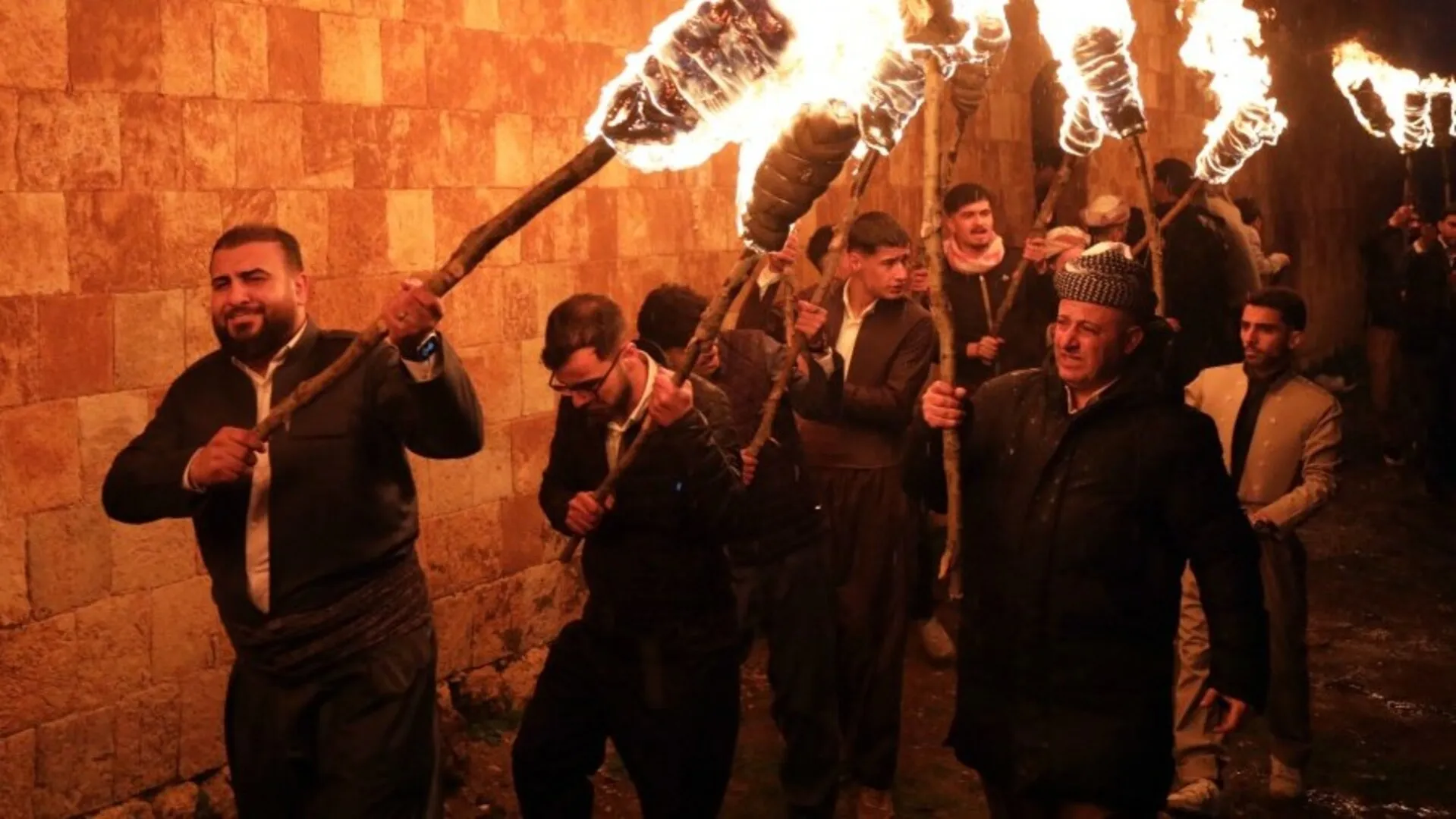

The confluence of ancient cultural observance and ongoing geopolitical turbulence defines the MENA economic landscape as the region commemorates Nowruz. Despite the 3,000-year-old Zoroastrian-rooted festival marking spring’s arrival for an estimated 300 million adherents, the shadow of conflict persistently constrains regional economic dynamism. This juxtaposition underscores the inherent volatility investors navigate, where cultural capital intersects with significant operational headwinds for sovereign wealth funds and private capital alike.
Business continuity remains a paramount concern during Nowruz, traditionally a period of extended closures and family travel. The persistent conflict amplifies disruptions beyond standard holiday patterns, impacting logistics, supply chain integrity, and workforce availability. Sovereign capital, managed by national wealth funds and central banks, faces dual pressures: protecting principal amidst market instability and potentially redirecting resources towards domestic stabilization efforts rather than external investments. Concurrently, venture capital deployment, crucial for technological innovation and entrepreneurship, encounters heightened risk aversion and operational complexities, delaying deployment and scaling decisions.
Underlying this, critical regional infrastructure—fundamental to economic resilience—suffers sustained strain. Energy networks, transport corridors, and digital connectivity, vital for both traditional business and burgeoning fintech ventures, face persistent vulnerability to conflict-related damage and maintenance deficits. This environment necessitates accelerated infrastructure resilience planning and diversification strategies from sovereign entities and private investors, prioritizing critical asset protection and alternative operational pathways to mitigate conflict-induced volatility.