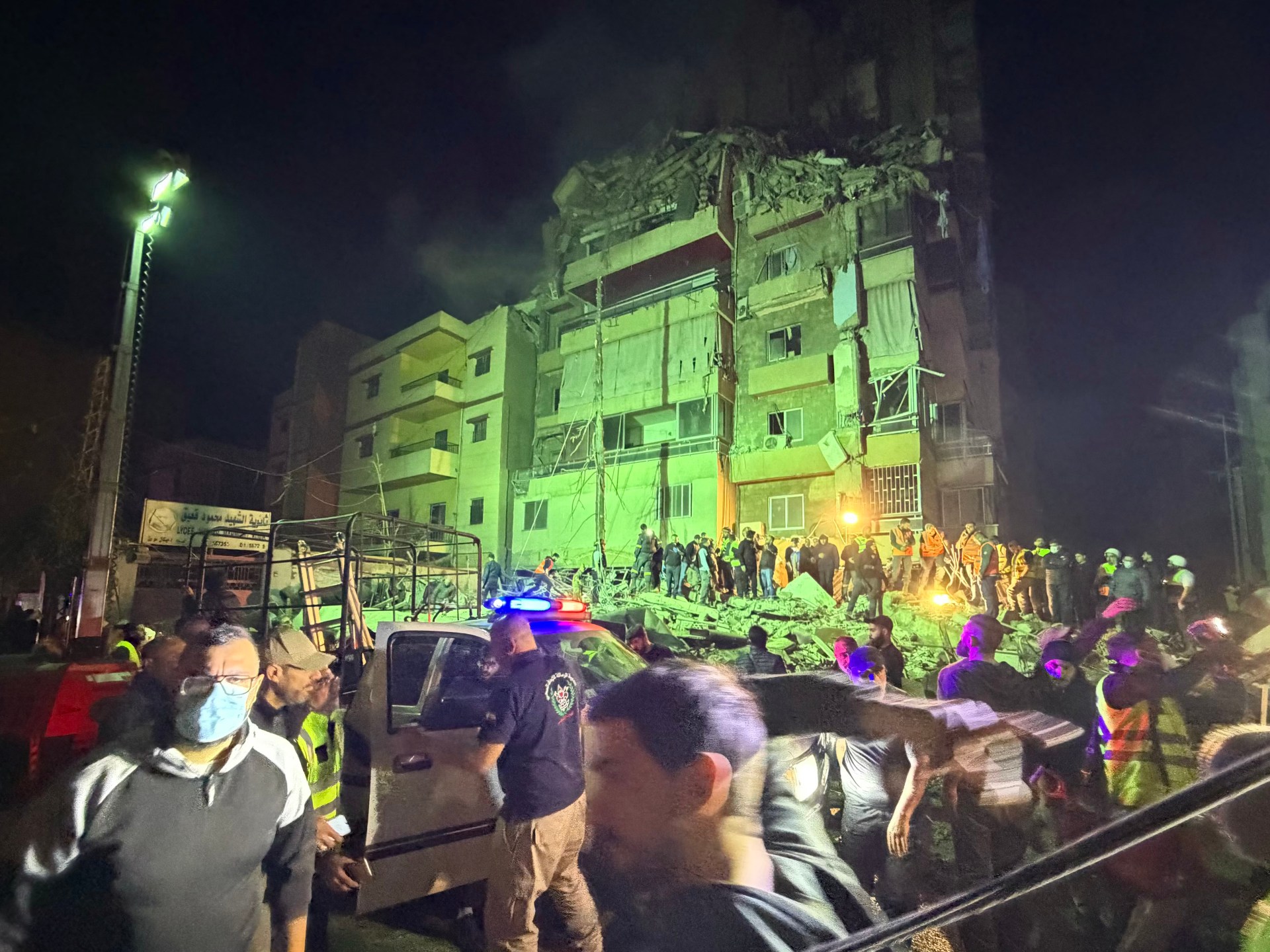

The escalating US-Iran conflict is profoundly impacting the Middle East and North Africa (MENA) region, presenting significant business, sovereign wealth, and infrastructural challenges. Beyond the immediate humanitarian cost, the renewed hostilities are creating a volatile environment with far-reaching economic ramifications. For businesses operating in the region, the uncertainty is forcing a reassessment of investment strategies, supply chains, and risk management protocols. The disruption to energy markets, particularly the Strait of Hormuz, is a critical concern, with potential long-term consequences for regional and global oil prices and energy security.
The conflict is heavily influencing sovereign capital deployment and venture capital flows within MENA. Increased geopolitical risk is deterring foreign direct investment, while domestic capital is being redirected towards defensive measures and stabilizing vital sectors. Venture capital activity, particularly in technology and infrastructure, is facing headwinds as investors become more cautious. The disruption to regional trade routes and the potential for further instability are creating a less attractive landscape for long-term projects. Moreover, the heightened security concerns are driving increased expenditure on defense and security infrastructure, diverting funds from productive investments.
Regional infrastructure projects are facing significant delays and uncertainty. The conflict has already impacted critical energy infrastructure, notably oil exports through the Strait of Hormuz. Any further escalation risks compounding these disruptions and jeopardizing ongoing projects related to energy, transportation, and communication networks. The focus is shifting towards bolstering regional cybersecurity and physical security, requiring substantial investment. Furthermore, the conflict underscores the fragility of existing regional alliances and necessitates a re-evaluation of collaborative infrastructure development initiatives. The long-term implications include potential bottlenecks in economic growth and reduced connectivity within the region.
The situation in Iraq, particularly the Kurdistan Region, serves as a stark illustration of the conflict’s immediate human cost and broader regional implications. While Iraqi authorities express a desire to remain neutral, the presence of Iran-backed militias operating within the country’s borders complicates this position. The economic fallout extends beyond Iraq, impacting neighboring countries through refugee flows, increased security burdens, and disruptions to trade. The ongoing nature of the conflict casts a long shadow over the region’s economic prospects and necessitates a sustained focus on de-escalation and diplomatic solutions to mitigate further damage.