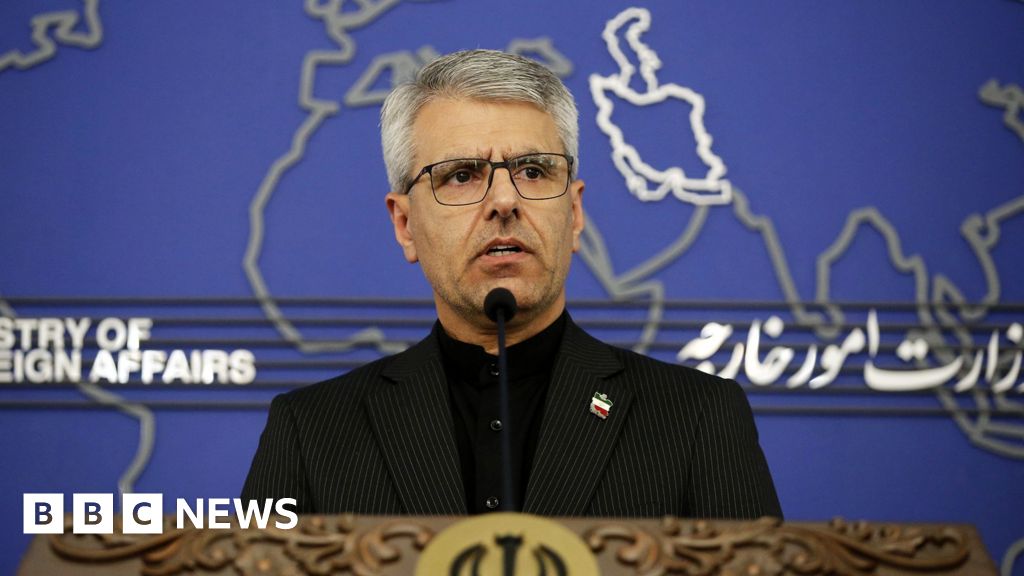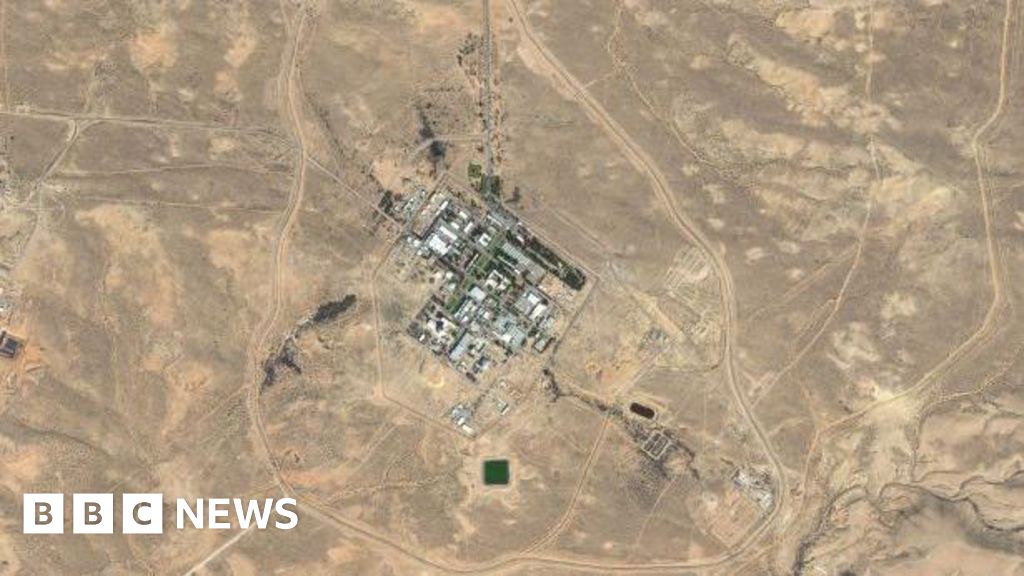

The International Atomic Energy Agency’s urgent call for “maximum military restraint” following recent strikes signals a pivotal moment of geopolitical escalation that directly threatens the MENA region’s economic stability. Sovereign wealth funds, managing over $3 trillion in collective assets, are now executing defensive reallocations—shifting from regional equities and real estate to liquid, offshore instruments—which exacerbates capital outflows and compresses local currency valuations. This immediate liquidity crunch compels governments to divert fiscal resources toward security buffers, thereby delaying critical reform budgets and undermining sovereign credit ratings across key markets from Saudi Arabia to Egypt.
Venture capital activity, a cornerstone of the region’s diversification drive, faces existential pressure as limited partners reassess risk exposure. The $2 billion-plus annual influx into MENA tech startups—particularly in fintech, cleantech, and logistics—will likely contract by 20-30% in the near term, with investors demanding higher returns to compensate for heightened political risk. This recalibration stalls the scaling of regional unicorns and jeopardizes innovation districts like Qatar’s Doha Tech Hub and Morocco’s Casablanca FinCity, potentially reversing years of progress in building a knowledge-based economy independent of hydrocarbon revenues.
Physical infrastructure, spanning energy, transport, and digital networks, bears the brunt of operational disruption. Projects integral to the region’s integration—such as the GCC railway, NEOM’s hyperloop, and cross-border fiber optic backbones—face escalated insurance premiums, supply chain fractures, and workforce safety concerns. Maritime logistics through the Red Sea and Persian Gulf, already strained, now incur punitive war risk premiums that inflate import costs and threaten the viability of industrial zones in Jordan and Tunisia, which rely on just-in-time manufacturing inputs.
The confluence of these factors mandates a recalibrated policy response: regional blocs like the GCC must accelerate diplomatic channels to isolate financial markets from conflict spillover, while development banks such as the AfDB and IsDB should preposition contingency liquidity facilities. Absent de-escalation, the MENA region risks a decade-long investment hiatus, with sovereign capital permanently reoriented toward guns-over-goods, venture capital fleeing to more stable jurisdictions, and infrastructure timelines extended by half, fundamentally impairing the region’s pivot toward sustainable economic sovereignty.