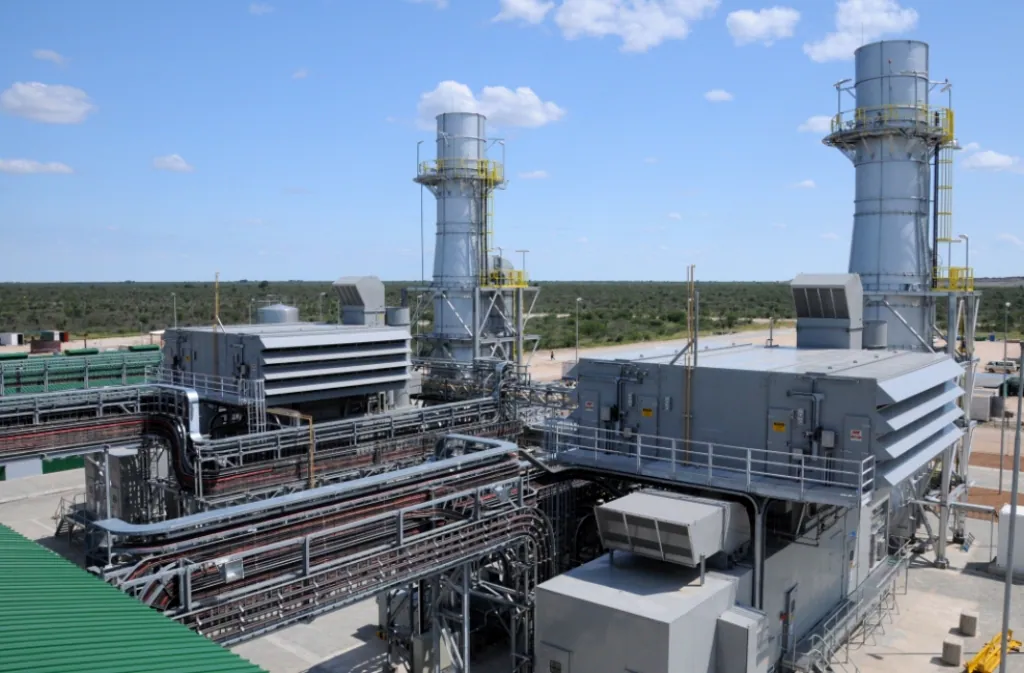

The recent attackon Abu Dhabi’s Habshan gas facility underscores a critical vulnerability in the UAE’s energy infrastructure, with profound implications for regional business stability and sovereign capital allocation. The plant, a linchpin for Adnoc’s oil exports via Fujairah, represents not just a physical asset but a strategic asset that underpins the UAE’s hydrocarbon-dependent economy. Any prolonged disruption risks exacerbating domestic energy supply constraints, potentially increasing operational costs for energy-intensive industries and diverting sovereign reserves toward emergency rehabilitation rather than long-term development. This scenario could catalyze a shift in venture capital priorities, with investors increasingly favoring sectors offering resilience against geopolitical instability or opportunities in alternative energy solutions. The ripple effects extend to regional trade dynamics, as disrupted oil flows may prompt recalibration of supply chains, further straining already volatile commodity markets.
The incident highlights the strategic interdependence of Middle East and North Africa (MENA) infrastructure, particularly in the context of sovereign capital management. Habshan’s role as a primary export conduit bypassing the Strait of Hormuz positions it as a linchpin for Gulf states seeking to mitigate geopolitical risks. Its temporary shutdown not only threatens short-term revenue streams but also strains sovereign fiscal buffers, potentially diverting funds from strategic projects to crisis mitigation. For regional governments, this necessitates a reevaluation of infrastructure investment strategies, emphasizing redundancy and security over cost efficiency. Venture capital activity in the energy and logistics sectors may face headwinds, as perceived exposure to conflict-related disruptions could deter private funding. However, this instability could also spur innovation in secure, decentralized energy systems, creating niche opportunities for capital deployment aligned with long-term regional stability goals.
The broader implications for regional infrastructure underscore a systemic risk that transcends individual facilities. The pattern of attacks on Gulf energy assets—targeting Habshan, Kuwait’s Mina Al Ahmadi refinery, and desalination plants—signals a deliberate attempt to weaponize energy infrastructure against economic interests. This trend challenges the MENA region’s reliance on centralized infrastructure, compelling a strategic shift toward hardened, distributed systems. Sovereign capital, often constrained by limited diversification, may face untenable costs if such attacks persist, necessitating international partnerships or insurance mechanisms. For venture capitalists, this environment could prioritize investments in cybersecurity, automation, or alternative energy technologies that reduce dependency on vulnerable physical assets. Ultimately, the sustained damage to regional infrastructure risks entrenching economic fragility, compelling policymakers to reconcile immediate security concerns with the long-term imperative of fostering resilient, diversified economic frameworks across the MENA region.