
The escalating conflict involving Iran is rapidly solidifying the UAE’s position as a frontline state and forcing a recalibration of risk assessments across the MENA region. The reported interception of over 2,300 projectiles – a mix of ballistic missiles, cruise missiles, and drones – demonstrates the intensity of the threat and necessitates continued, substantial investment in advanced air defense systems. This sustained aggression, resulting in confirmed casualties and injuries including foreign nationals, is not merely a security concern; it represents a direct challenge to the UAE’s economic stability and its attractiveness as a regional hub for investment and tourism.
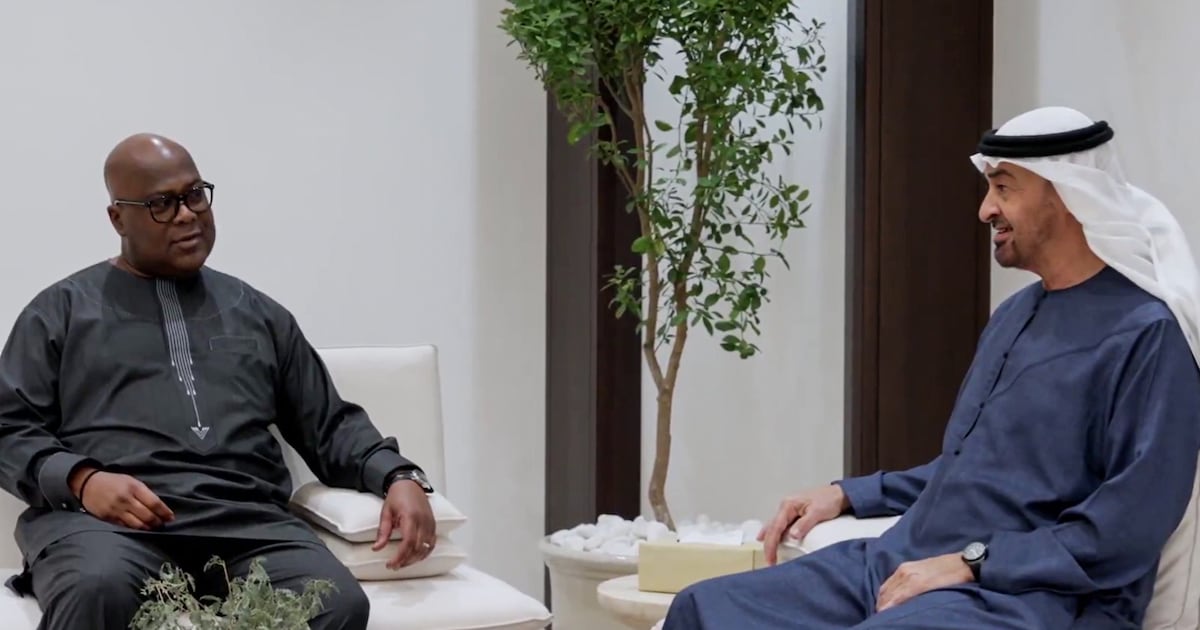
Sovereign wealth funds, particularly those in the GCC, are likely to accelerate diversification strategies away from regional exposure and towards safer, globally-distributed assets. Simultaneously, we can anticipate increased allocations to domestic security infrastructure and technology within the UAE and neighboring states. The UAE’s recent economic partnership agreement with the Democratic Republic of Congo, underscored during President Tshisekedi’s visit, signals a proactive effort to forge new trade relationships and secure access to critical minerals – a strategic imperative given potential supply chain disruptions stemming from the conflict. This diversification extends beyond trade, encompassing potential joint investments in infrastructure projects within the DRC, leveraging UAE capital and expertise.
Venture capital activity focused on dual-use technologies – those with both civilian and military applications – is poised for significant growth. Expect heightened investor interest in companies specializing in drone defense, cybersecurity, and advanced materials. While overall regional VC funding may experience a short-term contraction due to increased geopolitical uncertainty, sectors deemed essential for national security will likely remain resilient. The UAE’s established position as a regional VC hub, coupled with its commitment to technological innovation, positions it to capitalize on this trend, attracting both domestic and international capital.
The long-term implications extend to regional infrastructure development. The necessity for secure supply routes and resilient energy infrastructure will drive investment in projects designed to mitigate risk. This includes potentially accelerating plans for alternative energy sources and strengthening logistical networks. The current crisis underscores the vulnerability of critical infrastructure in the Gulf and will likely lead to a reassessment of existing projects, prioritizing security and redundancy. The UAE’s leadership in these areas will be crucial in shaping the regional response and fostering a more secure and stable investment climate.