
Navigating the Strait: Geopolitical Vulnerabilities and the Reshaping of Middle Eastern Energy Security
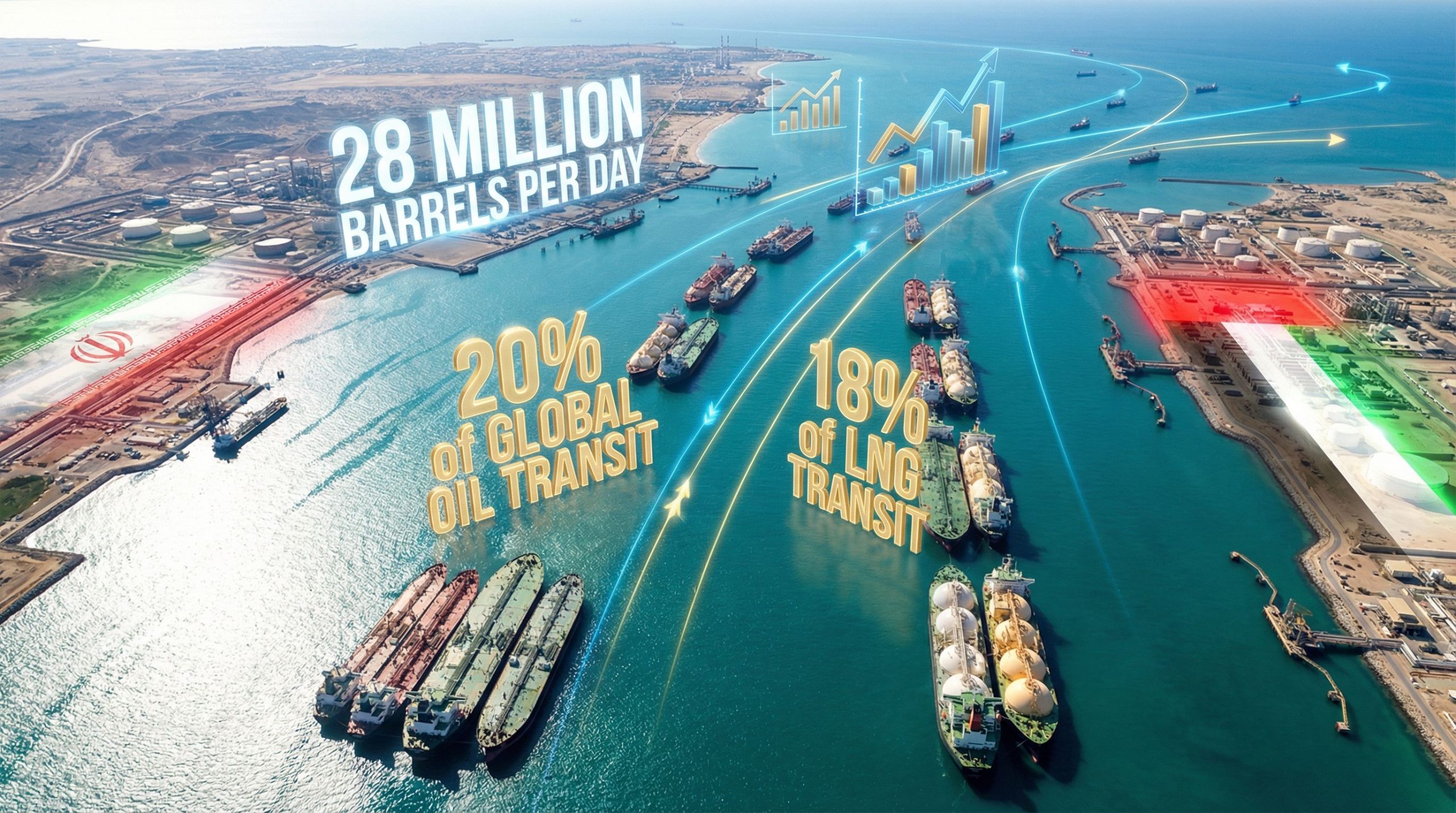
The concentration of global energy flows through strategically vital maritime chokepoints – notably the Strait of Hormuz and the Bab-el-Mandeb – presents an escalating systemic risk to the international economy. The recent military strikes in February 2026, and the subsequent heightened tensions surrounding transit security, underscore the profound vulnerability of established energy infrastructure and the urgent need for a recalibration of regional and global energy security strategies. This situation, driven in part by the ADNOC chief’s proactive engagement with US policymakers to address Hormuz concerns, is fundamentally altering the dynamics of Middle Eastern energy production and consumption, demanding a comprehensive reassessment of sovereign capital allocation, venture capital investment, and regional infrastructure development.
The speed with which market psychology responded to the disruption – evidenced by a 50% price surge over three weeks – highlights the delicate balance between geopolitical uncertainty and supply confidence within interconnected energy markets. This rapid price escalation, exceeding $112 per barrel by March 20, reflects the immediate recognition of supply route dependency and the activation of strategic reserve mechanisms. Japan’s response, deploying 80 million barrels from its reserve system over a 45+ day period, provides a critical case study in advanced economies’ capacity to manage acute shortages. Crucially, the accelerated integration of risk premiums – visible within 24-48 hours of the initial incident – and the recognition of limitations in alternative pathways underscore the imperative for diversified sourcing strategies. The rapid decline in European gas prices following diplomatic announcements further illustrates the sensitivity of markets to even marginal improvements in supply security confidence, demonstrating the power of diplomatic signaling as a market stabilization tool.
The immediate economic consequences of chokepoint disruptions are cascading, impacting not just crude oil and refined products, but also LNG, fertilizers, and other critical commodities. North America’s response – leveraging enhanced pipeline capacity, increased tanker loadings from Gulf Coast terminals, and accelerated shale production – demonstrates a pragmatic approach to mitigating supply gaps. Simultaneously, Central and South American nations are actively pursuing diversification initiatives, including Ecuador’s expanded export capacity and Colombia’s petroleum product diversification efforts, reflecting a broader regional effort to reduce reliance on vulnerable transit routes. While US Energy Secretary Wright’s assessment of market incentives driving increased production offers a degree of reassurance, the underlying vulnerability remains, particularly given the ongoing decline in US oil production and its impact on global supply dynamics. The dual-mechanism approach – supply augmentation alongside demand management – provides a degree of flexibility, but its effectiveness hinges on the availability and capacity of alternative routes and the duration of primary disruption.
Beyond immediate market responses, the crisis is catalyzing fundamental shifts in regional energy security frameworks. The Iranian Defense Council’s threat to deploy naval mines underscores the potential for escalation beyond current restrictions, extending geographic disruption scope and necessitating extensive clearance operations. Iran’s proposed managed transit control framework, differentiating access based on political alignment, represents a strategic recalibration of regional power dynamics. Furthermore, the integration of private sector expertise into diplomatic channels – exemplified by the ADNOC chief’s direct engagement with US policymakers – is reshaping energy security governance. Investment decisions are being re-evaluated, with portfolio diversification, technology adoption (particularly renewable energy), and infrastructure resilience becoming key priorities. The long-term implications necessitate a sustained commitment to strategic reserve expansion, as demonstrated by Japan’s 241-day equivalent capacity, and a fundamental reassessment of regional production enhancement strategies, driven by a renewed focus on domestic energy security. Ultimately, navigating this evolving landscape requires a proactive and coordinated approach, underpinned by robust intelligence gathering, sophisticated risk assessment, and a willingness to adapt to the dynamic interplay of geopolitical forces and market realities.