
Here is the rewritten article:
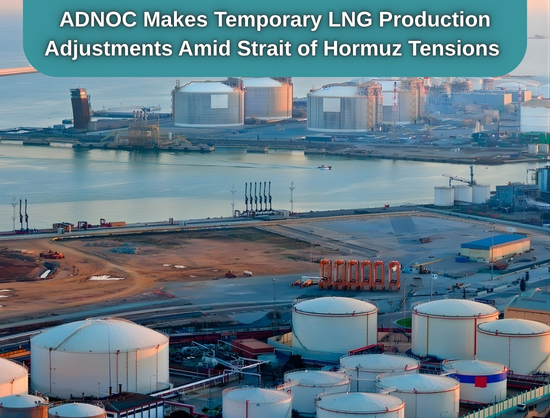
ADNOC Gas has initiated contingency operations to mitigate output disruptions at its critical LNG export facilities in the Arabian Gulf, as geopolitical tensions surrounding Strait of Hormuz shipping routes intensify amid escalating regional conflict. The Abu Dhabi National Oil Company’s integrated gas processing unit disclosed temporary production adjustments affecting both LNG and traded liquids shipments, implementing a client-by-client transaction management approach to maintain contractual obligations despite maritime logistics uncertainties. This operational recalibration affects the company’s six-million-tonne-per-year Das Island liquefaction facility, which exports via the strategically vital waterway where approximately one-fifth of global petroleum transits daily.
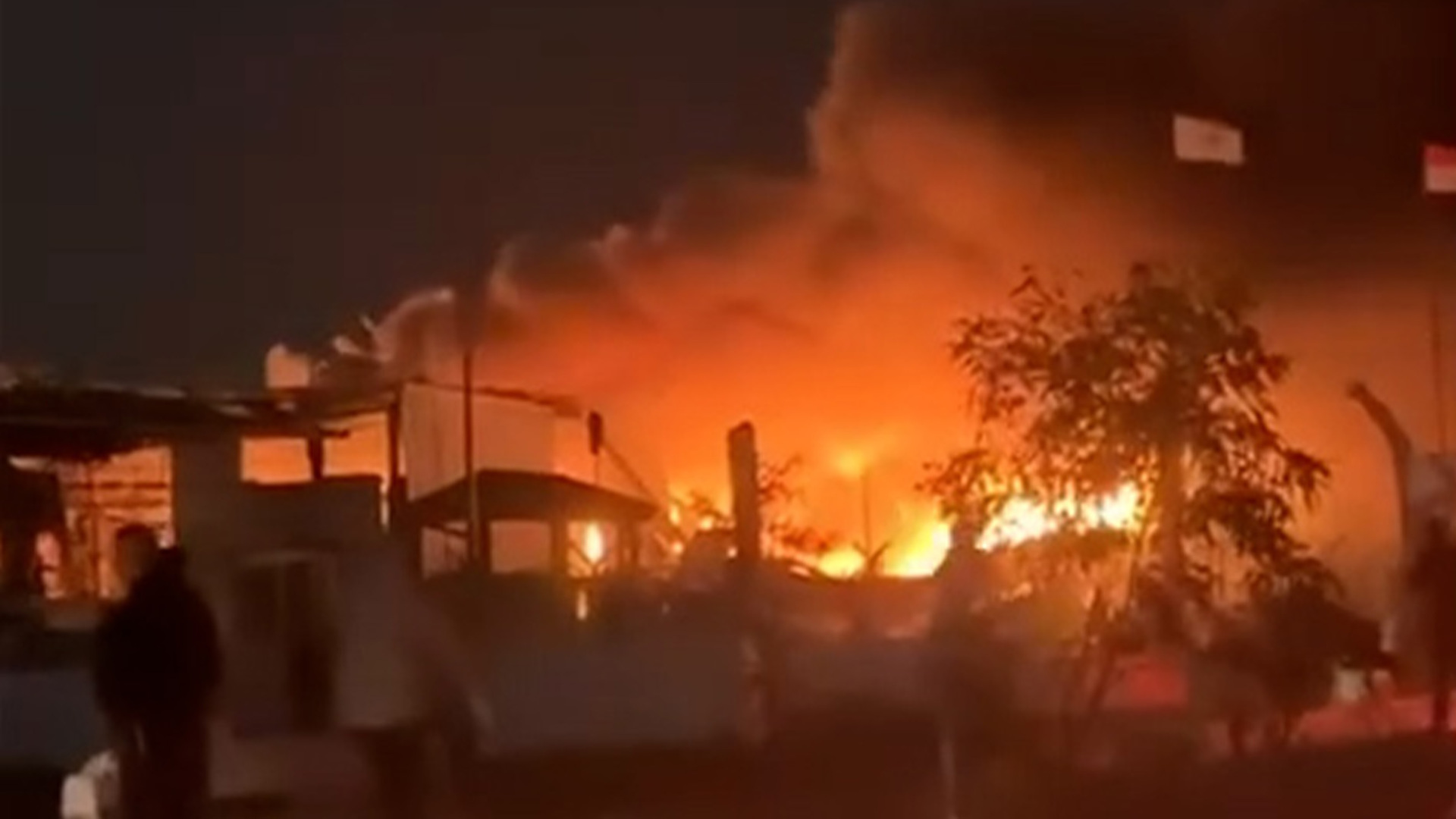
The operational modifications reflect the energy sector’s vulnerability to systemic regional risks, as demonstrated by concurrent disruptions at ADNOC’s Habshan complex – one of the world’s largest gas processing installations with 6.1 billion cubic feet per day capacity – which closed temporarily following debris incidents linked to recent military exchanges. The facility had maintained continuous operations despite prior missile interception activity, highlighting the infrastructure’s exposure to cross-border kinetic escalation cycles. Industry sources indicate that the temporary curtailments could extend beyond immediate shipping concerns, with cascading effects on global LNG supply chains already experiencing pricing volatility following sustained regional hostilities.
From a capital allocation perspective, this disruption underscores sovereign MENA energy infrastructure’s enduring strategic importance as both economic foundation and geopolitical leverage point. Sovereign wealth funds monitoring ADNOC’s operational responses will scrutinize the company’s liquidity management and contract renegotiation strategies, as reliability concerns could influence long-term investment in Middle Eastern gas infrastructure. Furthermore, the company’s ability to maintain export commitments amid hostilities will likely factor into UAE sovereign ratings assessments and inform investor sentiment toward regional energy equities, particularly as sovereign entities across the Arabian Peninsula continue government-led diversification initiatives while maintaining hydrocarbon revenue stability. The incident amplifies calls for enhanced redundancy in critical energy logistics infrastructure, with regional investment capital seeking alternatives to vulnerable chokepoint dependencies.