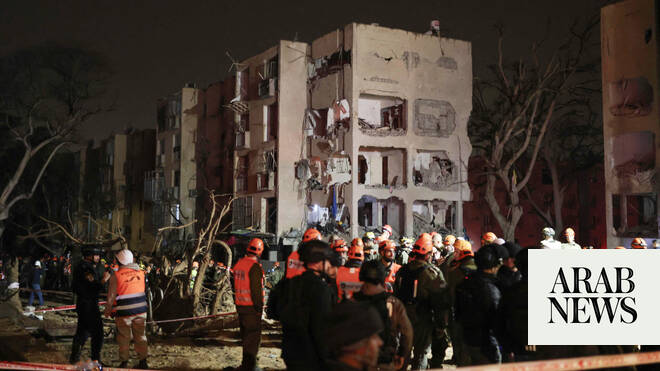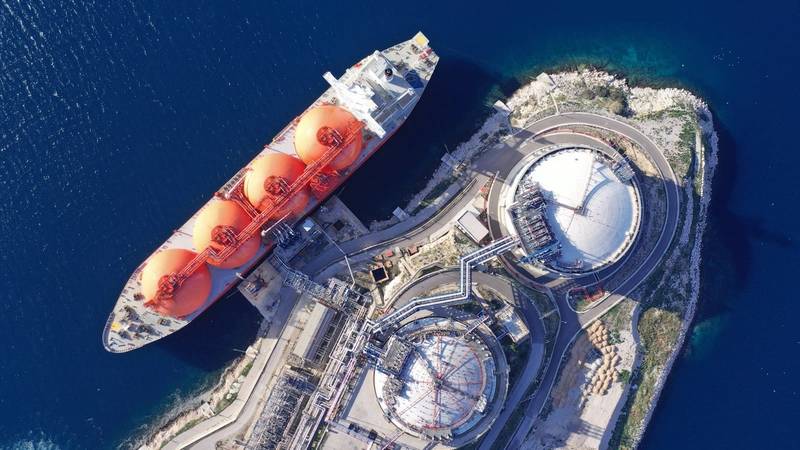

The economic ramifications of the recent escalation in the Middle East remain profound, with sovereign capital sectors across the MENA region undergoing substantial recalibration. As regional stability hangs in the balance—especially in the context of heightened U.S.-Israeli tensions over Iran—the strategic calculus for investors is shifting. The ongoing disruptions to liquefied natural gas availment, driven primarily by strategic maneuvers in the Strait of Hormuz, have sent ripples through global energy markets, prompting sovereign wealth funds and private equity entities to reassess their exposure.
Financial institutions accessing capital markets are intensely focused on navigating these uncertainties, as institutions in the Gulf and North Africa adjust their exposure to volatility. The interplay between geopolitical shocks and the operational integrity of energy infrastructure is reshaping investment strategies in sovereign assets. For example, LNG production levels from key operators such as ADNOC are now being monitored with heightened scrutiny, directly impacting pricing mechanisms and supply chain reliability. The resultant ripple effects are acutely felt in sovereign bond yields, currency valuations, and infrastructure investment cycles, reinforcing the need for nimble, resilient portfolios.
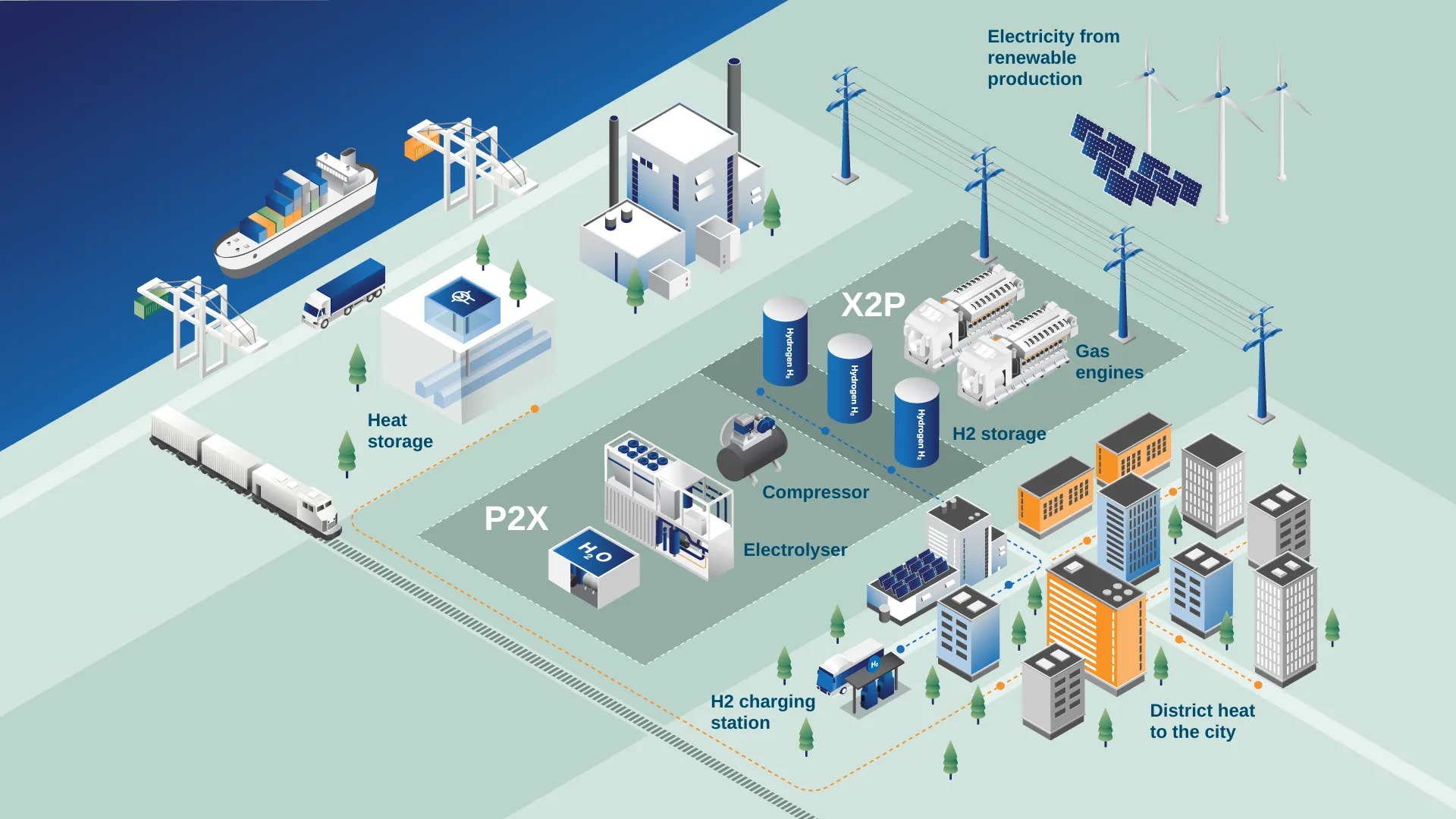
Venture capital ecosystems within the region are responding to this environment with increased emphasis on energy technology and supply chain resilience initiatives. Businesses investing in alternative energy sources, digital logistics platforms, and autonomous transport capabilities can anticipate a favorable trajectory as traditional supply routes remain vulnerable. In this context, sovereign capital is being redirected not just to stabilize national budgets, but to catalyze long-term infrastructure modernization that can withstand external shocks and positioning the region as a future hub of energy efficiency and technological innovation.
Regional infrastructure continues to be a fulcrum for strategic investment and policy integration. Projects requiring circuitous maritime passage, such as those linking inland hubs with offshore refineries, demand sophisticated financing and public-private partnerships. These developments are increasingly becoming foundational to the MENA economic continuum. As the region advances its regional infrastructure agendas, confident sovereign backing—and a clear demonstration of operational continuity—will be key indicators of sustained confidence anchoring long-term financial strategies.