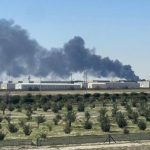

The operational disruption at ADNOC Gas’s Habshan complex underscores the critical vulnerability of pivotal energy infrastructure within the Gulf Cooperation Council (GCC). While the company’s swift deployment of alternative processing facilities has averted immediate market panic and maintained contractual deliveries, the incident directly tests the resilience of the UAE’s—and by extension, the region’s—hydrocarbon supply chain. For sovereign wealth funds like the Abu Dhabi Investment Authority (ADIA) and Mubadala, whose portfolios are heavily weighted in energy assets, such events trigger a recalibration of risk models around operational continuity and geopolitical insurance, potentially accelerating capital allocation toward redundant infrastructure and diversified energy logistics networks beyond traditional upstream dominance.
The business ramifications extend into the venture capital sphere, where the incident will catalyze heightened institutional interest in operational technology (OpTech) and industrial cybersecurity startups specializing in predictive maintenance, drone-based pipeline monitoring, and AI-driven anomaly detection. Regional sovereign funds, including Saudi Arabia’s Public Investment Fund (PIF), have already signalled intent to build domestic capabilities in critical infrastructure protection; this event provides a tangible justification for expediting such commitments. We anticipate a measurable uptick in Series A and B funding rounds for MENA-based deep tech firms addressing physical and digital asset integrity, as state-linked investors seek to de-risk their core economic pillars through proprietary technological safeguards rather than solely relying on foreign contractors.
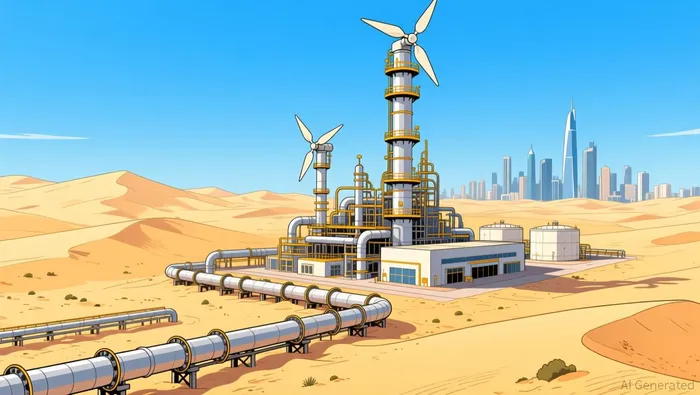
Strategically, the Habshan incident reinforces the urgency behind large-scale infrastructure projects designed to insulate the region’s hydrocarbon export and domestic distribution corridors. Initiatives such as the expanded Dolphin Gas Pipeline and the UAE’s own hydrogen and natural gas pipeline masterplans will now be scrutinized for built-in redundancy and route diversification. For regional energy ministers and national oil companies, the calculus now includes not just capacity expansion but also “hardening” of existing nodes. This may lead to accelerated approval and financing for projects that integrate fiber-optic monitoring along pipeline corridors or develop decentralized small-scale liquefaction plants to mitigate single-point failure risks—projects that will attract both sovereign capital and multilateral development bank financing.
The tragic loss of life further amplifies environmental, social, and governance (ESG) considerations for sovereign and institutional investors. It elevates operational safety from a compliance issue to a core component of asset valuation and financing costs. Expect tighter due diligence on contractor safety records and a push for mandatory real-time safetyIoT (Internet of Things) implementation across all major energy sites. This confluence of physical security, ESG performance, and operational resilience will redefine the investment thesis for MENA energy infrastructure, channeling capital toward assets and technologies that demonstrably mitigate both production volatility and reputational risk in an increasingly volatile geopolitical landscape.