
-rich Gas Development Phase 1 stands as a testament to the region’s growing capacity to attract sovereign capital through projects that align strategic energy goals with disciplined financial engineering. The $70 billion-plus investment underscores a broader shift in MENA sovereign capital allocation, where governments and state-owned entities are prioritizing mega-scale infrastructure that delivers dual returns—national energy security and international investor confidence. For sovereign stakeholders, the model of predictable shareholder returns, including 5% annual dividend growth through 2030, offers a paradigm shift in risk mitigation. Unlike traditional fossil-fuel projects often plagued by volatility, this initiative’s operational reliability reduces sovereign exposure to geopolitical or market-driven uncertainties, thereby reinforcing the region’s appeal as a destination for long-term capital deployment. This trend is likely to catalyze increased public-private partnership frameworks, particularly in financing cross-border energy infrastructure, as sovereign entities seek to diversify portfolios while meeting climate-aligned targets.
The project’s financial discipline and execution excellence position it as a bellwether for venture capital appetite in MENA, particularly in energy transition and industrial tech sectors. Venture capital firms are increasingly drawn to opportunities that demonstrate scalable, high-ROI potential underpinned by operational predictability—a gap historically filled by the region’s mature oil-and-gas legacy. The rollout of Rich Gas Development Phase 1, with its integration of advanced carbon capture and storage technologies, could serve as a proving ground for follow-on investments in clean energy infrastructure. Furthermore, the project’s ability to deliver reliable returns amid macroeconomic headwinds may encourage VCs to bypass conventional hydropower or renewables projects in favor of hybrid models that blend fossil-fuel-derived profitability with decarbonization rhetoric. This alignment of sovereign capital’s conservative risk profile with VC’s appetite for innovation could accelerate the region’s technological maturation, particularly in adjacent sectors like logistics and digital asset management tied to energy hubs.
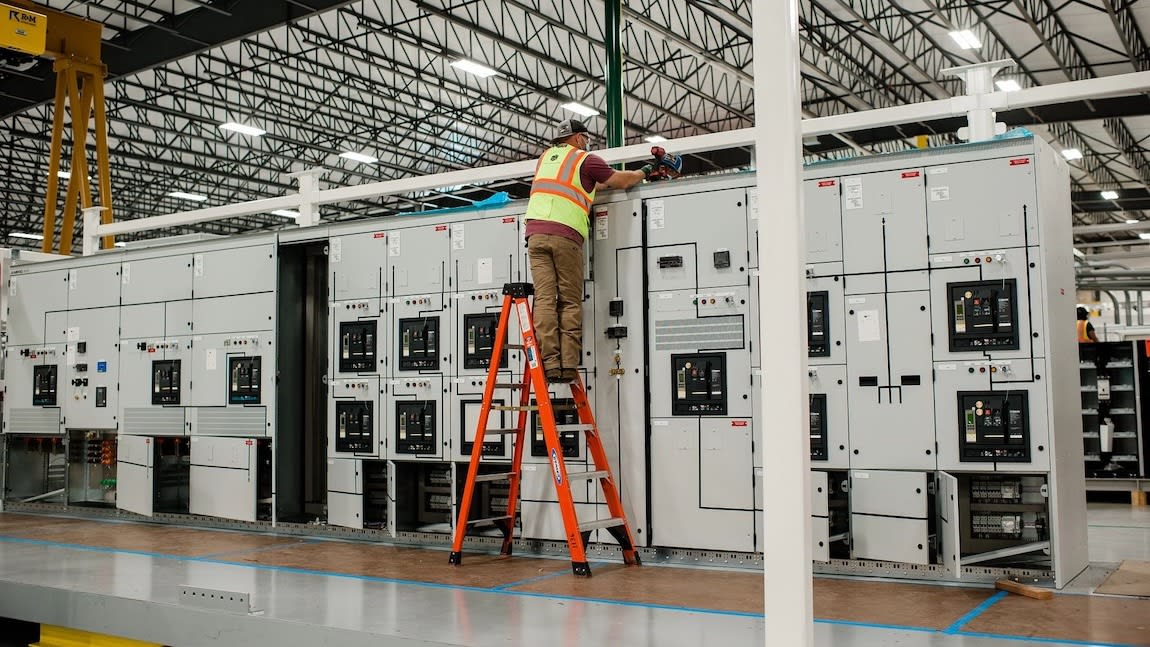
Regionally, the infrastructure demands of Rich Gas Development Phase 1 will have cascading effects on supply chain resilience and industrial clustering. The project requires extensive pipeline networks, storage facilities, and processing hubs, which in turn will spur demand for real-time data analytics, AI-driven logistics optimization, and modular construction technologies. This creates a virtuous cycle: improved regional infrastructure not only supports the energy project’s efficiency but also positions MENA as a competitive node in global value chains. However, the concentration of capital in energy projects risks diverting investments from other critical infrastructure gaps, such as digital connectivity or renewable energy grids in peripheral nations. Policymakers must therefore emphasize coordination between sovereign capital deployments and private-sector-led infrastructure upgrades to ensure balanced regional development. The long-term success of this model will hinge on whether it can replicate its operational rigor across other strategic sectors, from agri-tech to fintech, thereby cementing MENA’s role as a hub for diversified, technologically advanced economic activity.