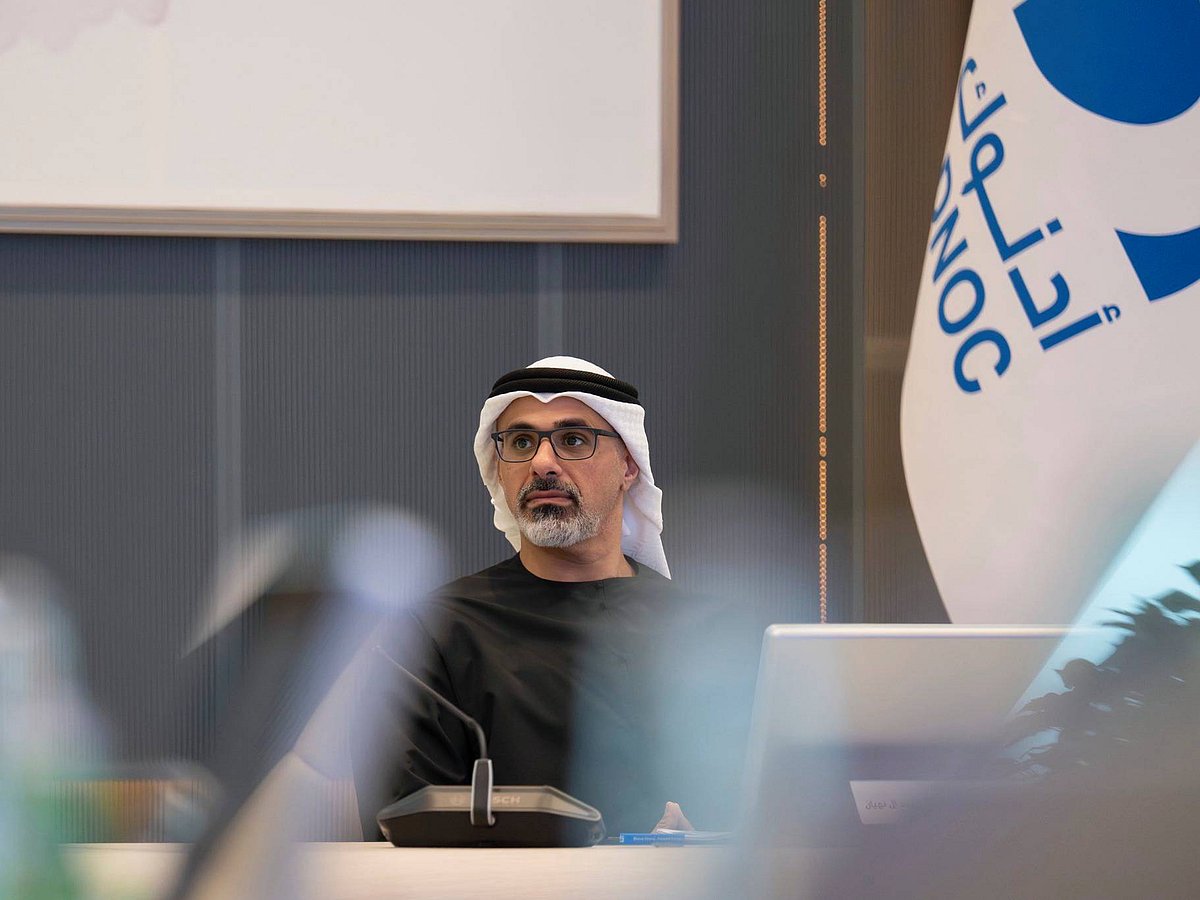

The recent escalation of ballistic missile and drone attacks targeting the UAE has prompted a significant operational recalibration within ADNOC, the Abu Dhabi National Oil Company, and is triggering broader implications for the stability of energy supplies across the Middle East and North Africa. Following a convened meeting led by His Highness Sheikh Khaled, ADNOC is prioritizing the safety of personnel and the protection of critical infrastructure, implementing immediate preventative measures and temporarily adjusting export logistics to mitigate disruption stemming from maritime challenges.
The operational impact assessment following the attacks underscores vulnerabilities within the region’s energy infrastructure. While ADNOC’s established contingency planning and coordinated response mechanisms have demonstrably maintained output levels, the events necessitate a deeper strategic review. This includes a reassessment of sovereign capital allocation towards bolstering cybersecurity and physical security protocols at key facilities – a critical area for attracting and retaining both domestic and international investment. Furthermore, the incident highlights the need for enhanced collaboration between national entities and private sector firms, particularly concerning the integration of advanced monitoring and defense technologies.
Venture capital investment in regional security and resilience technologies is poised to accelerate. The attacks have exposed gaps in existing defenses, creating opportunities for innovative startups focused on drone detection, perimeter security, and data analytics. Sovereign wealth funds, such as Mubadala and ADIA, are increasingly likely to direct capital towards these sectors, alongside traditional energy investments. This shift will likely fuel a surge in demand for specialized engineering and cybersecurity expertise, potentially diverting talent from the burgeoning tech sector and creating a skills gap requiring targeted training initiatives. The infrastructure implications extend beyond physical security; upgrades to port facilities and navigational systems will be crucial to ensure uninterrupted trade flows, demanding significant public and private investment.
Ultimately, the UAE’s response to these attacks represents a pivotal moment for the broader MENA region. The prioritization of operational continuity, coupled with a renewed focus on security and infrastructure resilience, will shape investment strategies and dictate the pace of economic diversification. The long-term success hinges on a coordinated approach involving government, sovereign wealth funds, and the private sector, alongside a commitment to fostering a robust technological ecosystem capable of safeguarding critical assets and ensuring the uninterrupted flow of energy – a cornerstone of regional stability and global markets.