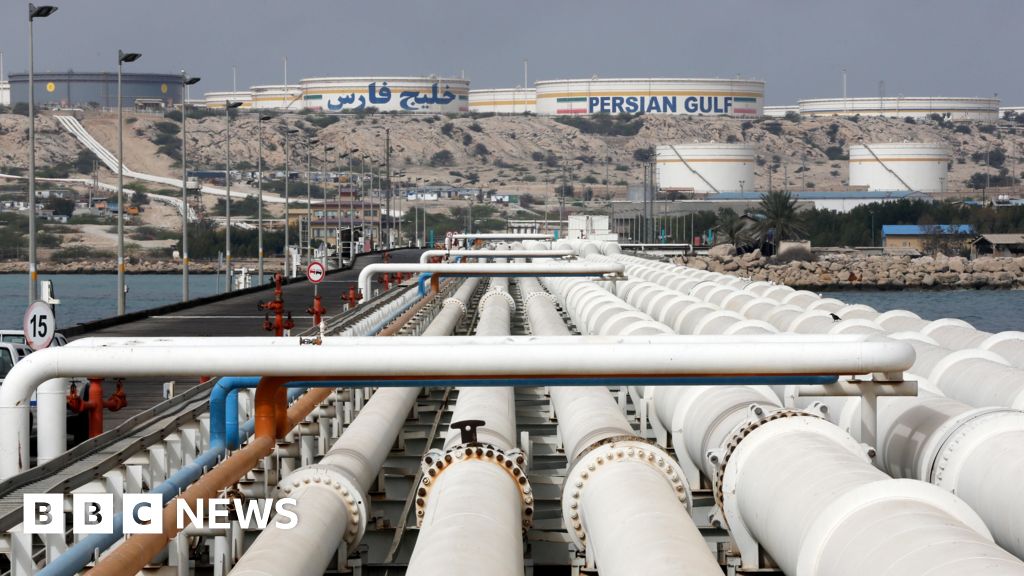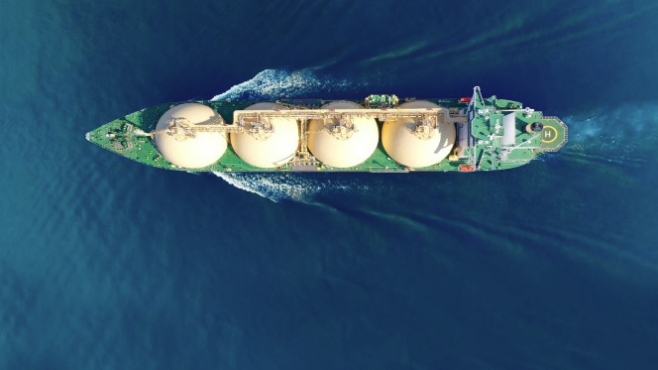

ADNOCGas has been forced to suspend or curtail LNG and export‑traded liquids shipments through the Strait of Hormuz after sustained maritime disruptions and missile debris have compromised loading zones on Das Island, where the 6 Mt/yr facility accounts for a significant share of UAE gas exports. The company’s bourse filing underscores a transactional approach to fulfillment, yet it has provided no specifics on output throttling, reflecting the opaque, risk‑averse posture adopted by regional energy majors amid escalating geopolitical volatility.
From a sovereign capital perspective, the temporary production curtailments are injecting premiums into Gulf‑based equities and credit spreads, prompting sovereign wealth funds to reassess allocations toward energy assets and to pressure portfolio companies toward diversification. The episode has also heightened scrutiny of existing sovereign debt covenants tied to production guarantees, as governments balance fiscal imperatives with the need to maintain strategic reserves and protect investor confidence in an environment of heightened supply shock risk.
Venture capital and private‑equity investors are beginning to channel capital into resilience‑focused technologies—ranging from real‑time maritime risk analytics to alternative export corridors and modular LNG regasification units—to mitigate future bottlenecks. Regional sovereigns are leveraging these inflows to accelerate plans for cross‑border pipelines, dual‑port redundancy, and digital twin monitoring systems, signaling a shift from traditional infrastructure mega‑projects toward agile, technology‑driven supply‑chain solutions that can absorb geopolitical shocks.
Looking ahead, the Middle East’s energy infrastructure agenda is being recalibrated to embed redundancy and multi‑modal routing, with fiscal budgets increasingly earmarking funds for hardened terminal upgrades and strategic storage buffers. This realignment is expected to reshape sovereign‑led project pipelines, incentivize tighter coordination among Gulf Cooperation Council states, and drive a more disciplined investment narrative that foregrounds risk‑adjusted returns over volume‑driven growth in an era of persistent geopolitical uncertainty.