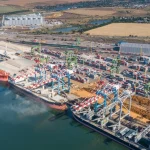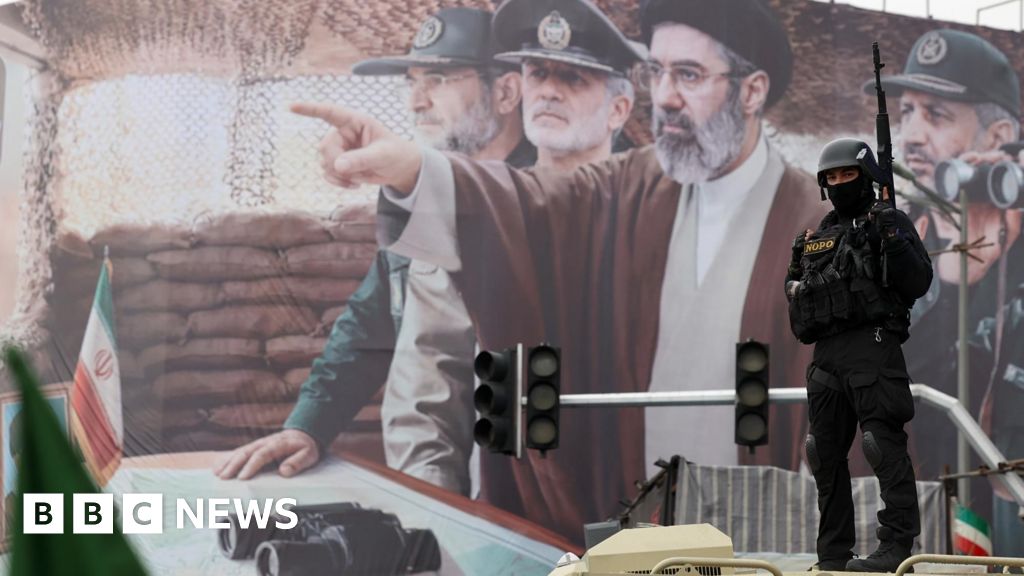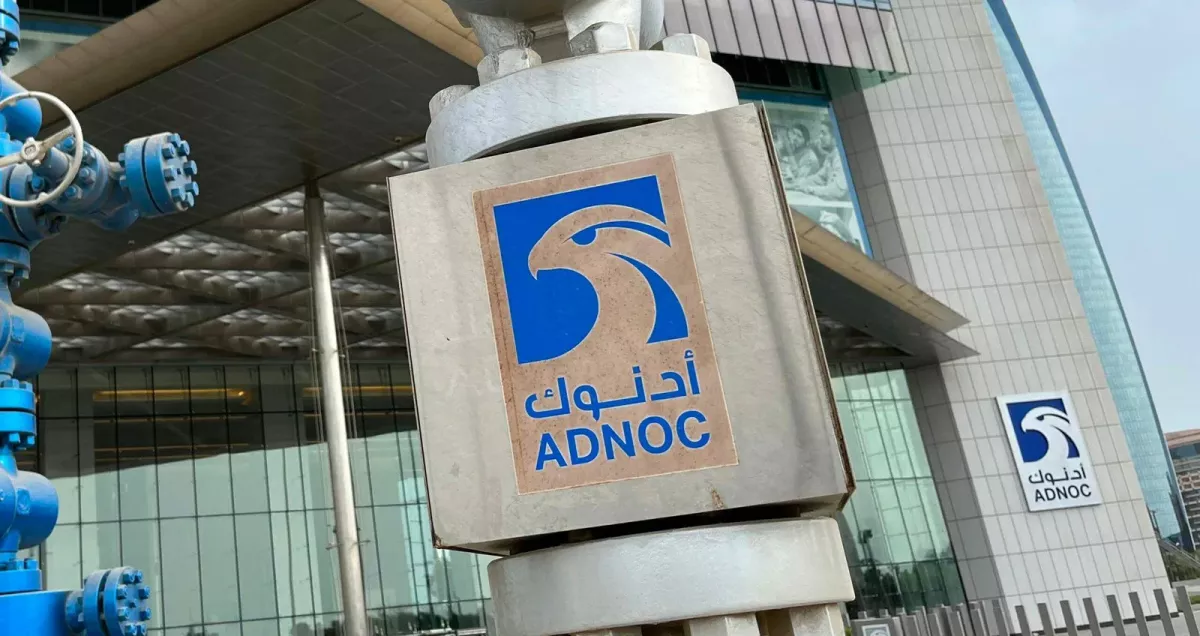

The reported attacks on critical energy infrastructure across the Middle East, including facilities operated by Abu Dhabi National Oil Company (ADNOC), represent a material escalation with profound implications for regional stability and global markets. These incidents directly threaten the integrity of a hydrocarbon export complex that underpins the fiscal frameworks and sovereign wealth accumulation strategies of key Gulf Cooperation Council (GCC) states. The immediate market reaction will likely see a premium re-injected into oil and gas prices, volatility spike across energy-linked equities, and a reassessment of political risk premia for the entire region. For governments heavily reliant on energy revenue to fund ambitious diversification agendas—from Saudi Arabia’s Vision 2030 to the UAE’s net-zero 2050 strategy—such disruptions create significant fiscal headwinds, potentially delaying or restructuring sovereign capital deployment into non-oil sectors.
Sovereign wealth funds (SWFs), which have been pivotal in deploying regional capital into global technology and infrastructure assets, face a dual challenge. The immediate priority will be reinforcing domestic operational resilience and safeguarding core energy assets, which may temporarily divert capital from external ventures. Furthermore, the heightened geopolitical risk environment will compel SWFs to conduct rigorous stress-testing of their portfolios, with a particular focus on exposures to complex global supply chains and critical infrastructure assets. This could lead to a strategic pivot towards investments in domestic energy security, cyber-defense, and regional redundancy projects, even as their long-term diversification mandates remain intact. The perception of the region as a stable capital source is now under pressure, requiring nuanced communication from SWF leadership to international counterparties.
The venture capital and private equity ecosystem across the Middle East and North Africa (MENA), which has witnessed unprecedented growth fueled by sovereign co-investment, will confront a heightened risk calculus. While Saudi and UAE-based funds have aggressively pursued investments in climate tech, logistics, and digital infrastructure to support economic transformation, the physical threat to energy nodes introduces a new layer of systemic risk. Investors will scrutinize the robustness of portfolio companies’ supply chains, particularly those involved in energy-intensive operations or global trade. This environment may temporarily cool risk appetite for early-stage, capital-intensive plays, while driving interest toward defense-adjacent technologies, resilience-focused SaaS solutions, and critical infrastructure hardening. The broader message that “energy flows are being used as a weapon” reframes energy security as the paramount precondition for all other economic development initiatives in the region.
Strategically, these attacks accelerate the imperative for the GCC to fast-track infrastructure redundancy and maritime security cooperation. The physical security of the Strait of Hormuz and other key export chokepoints is now unequivocally a business continuity issue for global energy markets. Regional powers will be compelled to either enhance unilateral naval and drone defense capabilities or seek new multilateral security frameworks, a development with significant cost and alliance implications. For the MENA region’s aspiration to become a global logistics, manufacturing, and tech hub, the foundational requirement is unassailable security of its energy and trade arteries. The current crisis starkly illustrates that economic diversification and technological ambition remain vulnerable without a parallel, and costly, investment in holistic national and regional security infrastructure.