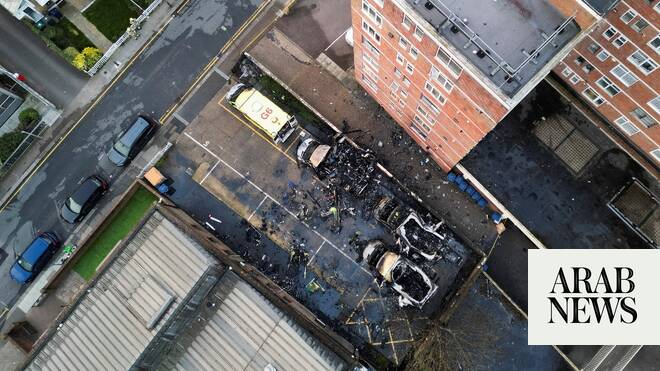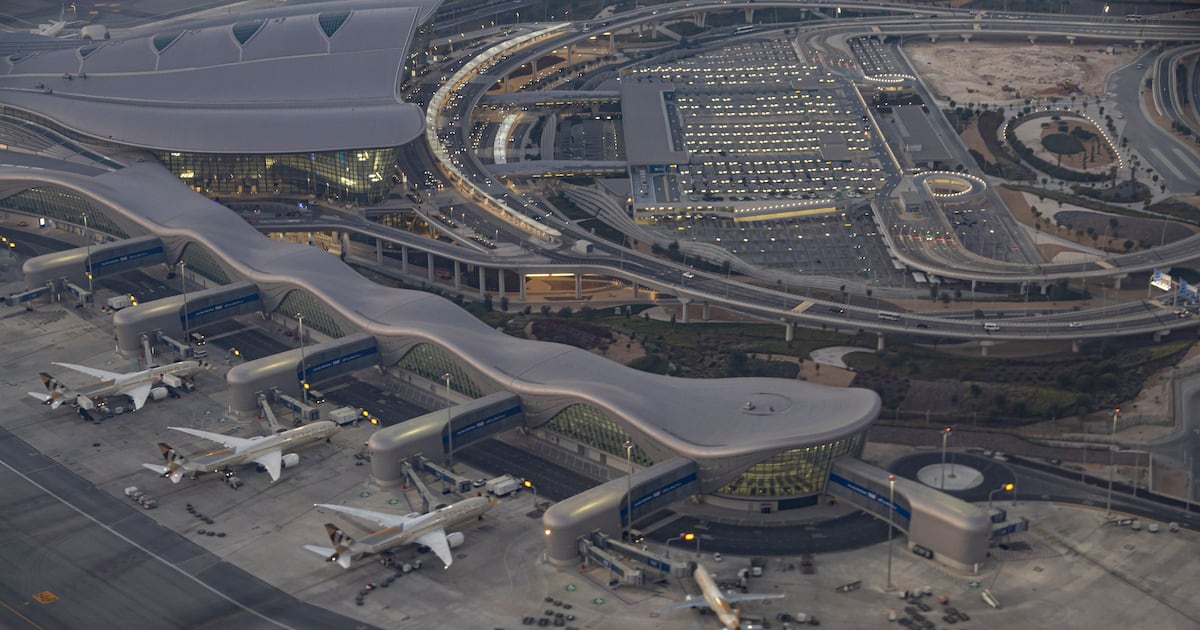

ADNOC Gas, a pivotal component of Abu Dhabi’s economic engine, has implemented temporary operational adjustments to its LNG and export liquids production in response to escalating disruptions within the Strait of Hormuz. This measure, disclosed to the Abu Dhabi Securities Exchange, reflects the tangible business impact of Iran’s intensified attacks on regional energy infrastructure, specifically targeting this critical maritime chokepoint. While ADNOC reports no core processing integrity issues or personnel injuries following recent debris incidents, the logistical ramifications for global energy supply chains are considerable. These adjustments signal a proactive, albeit constrained, approach to maintaining commitments to customers amid heightened geopolitical instability.
The situation in the Strait of Hormuz carries significant implications for sovereign capital flows within the MENA region. Disruptions to energy exports directly impact Abu Dhabi’s revenue stream, a cornerstone of its fiscal stability and its capacity to fund long-term development initiatives. Furthermore, the heightened risk environment is likely to influence investor sentiment, potentially impacting planned sovereign wealth fund deployments within the energy sector and broader infrastructure projects. The incident underscores the vulnerability of critical hydrocarbon transit routes and the escalating costs associated with securing energy supplies – a factor that will undoubtedly factor into future investment decisions across the region.
The broader venture capital ecosystem in the MENA region faces both challenges and potential opportunities. Increased geopolitical risk could lead to a cautious approach from international investors, potentially dampening deal flow in energy-related technologies and infrastructure. Conversely, the current crisis could accelerate demand for localized solutions aimed at enhancing supply chain resilience, cybersecurity for critical infrastructure, and alternative energy sources. This could stimulate investment in sectors focused on regional energy security and diversification, aligning with long-term strategic objectives for greater self-sufficiency within the energy sector. However, deploying capital in such a volatile environment necessitates careful due diligence and risk mitigation strategies.
Beyond the immediate energy market, the disruptions to the Strait of Hormuz have substantial repercussions for regional infrastructure development. The vulnerability of this vital passageway will necessitate increased investment in alternative shipping routes, port capacity expansion in non-chokepoint locations, and enhanced maritime security measures. Furthermore, the crisis highlights the urgent need for regional collaboration on energy security and infrastructure resilience. Sovereign investment strategies will increasingly prioritize projects designed to mitigate future supply chain vulnerabilities and bolster the overall stability of the MENA region’s energy landscape. This includes potential investments in onshore storage capacity, pipeline diversification, and the development of robust contingency plans for sustained operational continuity.