
Anthropic’s global Claude AI adoption index reveals significant divergences in MENA’s digital readiness, with the United Arab Emirates leading regional economies at 1.61x usage intensity relative to its working-age population—a reflection of Abu Dhabi’s substantial sovereign capital deployments into AI infrastructure and enterprise solutions. This positions UAE as a regional outlier, supported by initiatives like the $40 billion AI and Advanced Technology Council fund, contrasting sharply with Gulf peers such as Saudi Arabia (0.45x) and Bahrain (0.85x), where slower integration underscores persistent gaps in foundational compute resources and talent pipelines.
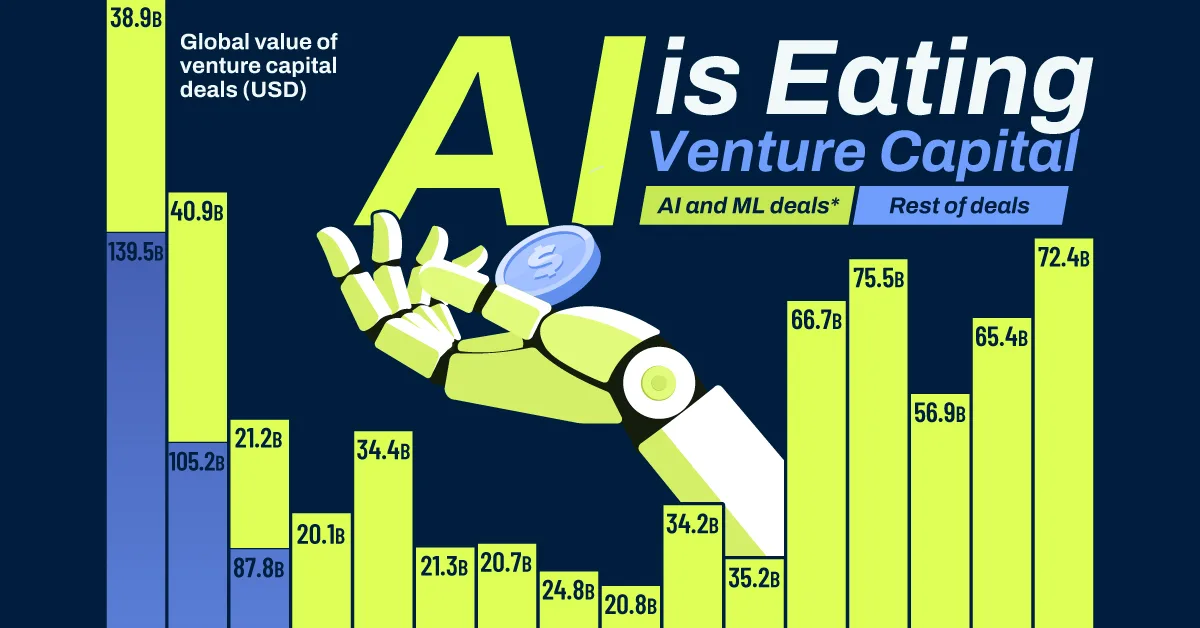
The regional landscape is further bifurcated between sovereign-backed strategies and venture capital flows. While Qatar’s sovereign wealth model (1.39x) prioritizes state-driven AI adoption for economic diversification, neighboring North African states like Tunisia (1.14x) and Morocco (0.76x) grapple with limited VC activity in generative AI, stifling innovation ecosystems. This disparity signals that MENA’s competitiveness hinges on unlocking private capital—particularly in Egypt and Jordan, where adoption lags at 0.28x and 0.37x respectively—despite nascent government incentives to bootstrap domestic AI ventures.
Critically, the region’s infrastructure shortcomings remain the primary constraint to scaling AI adoption. Suboptimal data center capacity, fragmented regulatory frameworks, and insufficient broadband penetration—particularly in Algeria (0.34x) and Iraq (0.43x)—undermine the ability to operationalize AI at scale. Abu Dhabi’s $13 billion investment in AI sovereign clouds and Saudi Arabia’s NEOM Smart City initiatives offer templates for infrastructure modernization, yet systemic upgrades are requisite to transform latent sovereign capital into competitive advantage.
Ultimately, MENA’s AI trajectory will be defined by its ability to align sovereign capital with venture-driven innovation. The UAE’s lead demonstrates that coordinated public-private investment in compute resources, skills development, and regulatory sandboxes can accelerate adoption. However, the region’s broader progress depends on replicating this model across Gulf economies and unlocking North Africa’s untapped potential, lest geopolitical headwinds and infrastructural deficits perpetuate AI adoption gaps relative to peer markets.