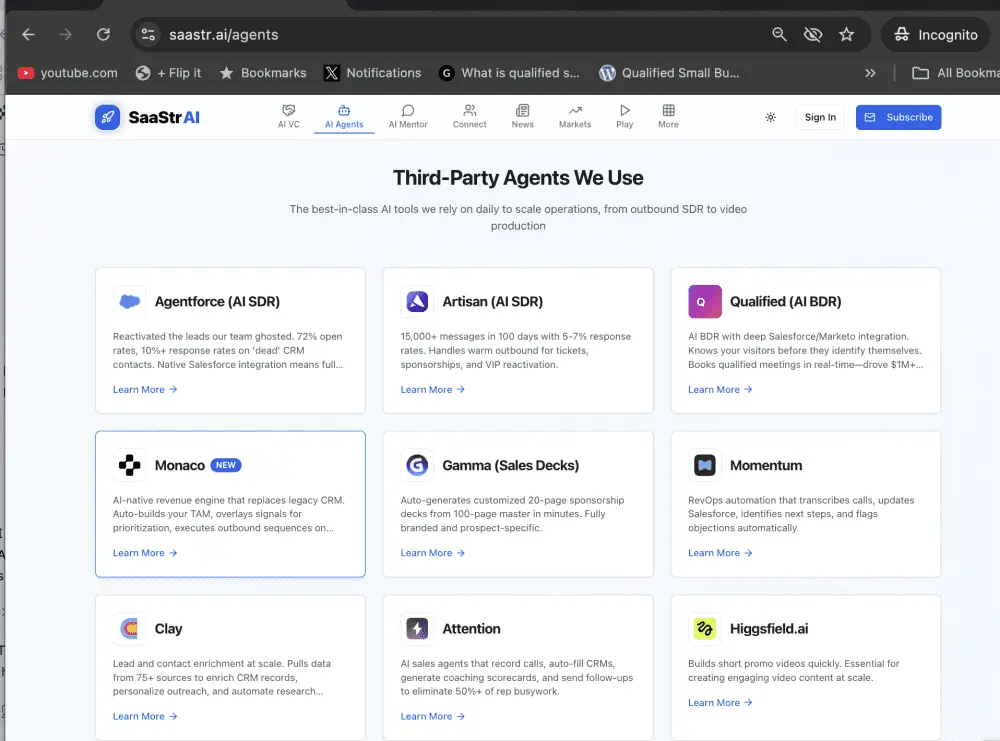

The proliferation of artificial intelligence-powered sales agents is reshaping the core dynamics of the B2B software landscape, presenting a fundamental shift in how enterprises allocate resources and engage with revenue generation – a trend with profound implications for the MENA region’s technological and economic futures. This evolution, far exceeding the simple integration of plug-ins, necessitates a re-evaluation of strategic priorities for both established vendors and emerging startups.
SaaStr’s experience exemplifies this transformation. Rather than augmenting its existing CRM, the company has embraced a strategy of deploying multiple specialized AI agents – Agentforce, Monaco, Artisan, and Qualified – each adept at distinct facets of the sales cycle. This approach represents a decisive move away from a singular, integrated system to a multi-faceted ecosystem. The shift is not about enhancing the CRM; it’s about displacing the human resource – the sales team – with more agile and cost-effective AI solutions. The resultant expenditure on these AI agents now eclipses the investment in the foundational CRM, positioning the tool of record as increasingly peripheral to the core revenue-generating processes.
The key distinction lies in the strategic allocation of capital. Instead of concentrating investment within the core CRM platform, businesses are now compelled to compete for headcount budgets across a diverse portfolio of specialized AI agents. This competitive dynamic favors niche players with demonstrable expertise in specific functions – from real-time lead qualification to automated outbound sequences. This is not a competitive landscape for market share of the core platform, but for the allocation of resources to the agents that deliver tangible, measurable business impact. Furthermore, the very nature of value creation is shifting. The data resided predominantly within the CRM is now being leveraged by the AI agents, with the agents themselves becoming the primary drivers of revenue generation, effectively relegating the CRM to a supporting infrastructure role. This necessitates a recalibration of the fundamental economics of B2B software.
The implications for the MENA region are substantial. The region’s burgeoning venture capital ecosystem is actively seeking opportunities in AI-powered sales solutions, recognizing the potential for significantly improved sales efficiency and ROI. Furthermore, the infrastructure requirements for supporting these multi-agent deployments, particularly regarding data integration and API connectivity, will drive regional investments in cloud computing and cybersecurity. This shift towards an agent-centric model will also accelerate the development of regional talent pools specialized in AI development and orchestration. As the “system of action” gains prominence, companies in the MENA region, particularly those with ambitious growth plans, will need to strategically adopt this paradigm to remain competitive and fully realize the potential of the emerging AI-driven B2B landscape.