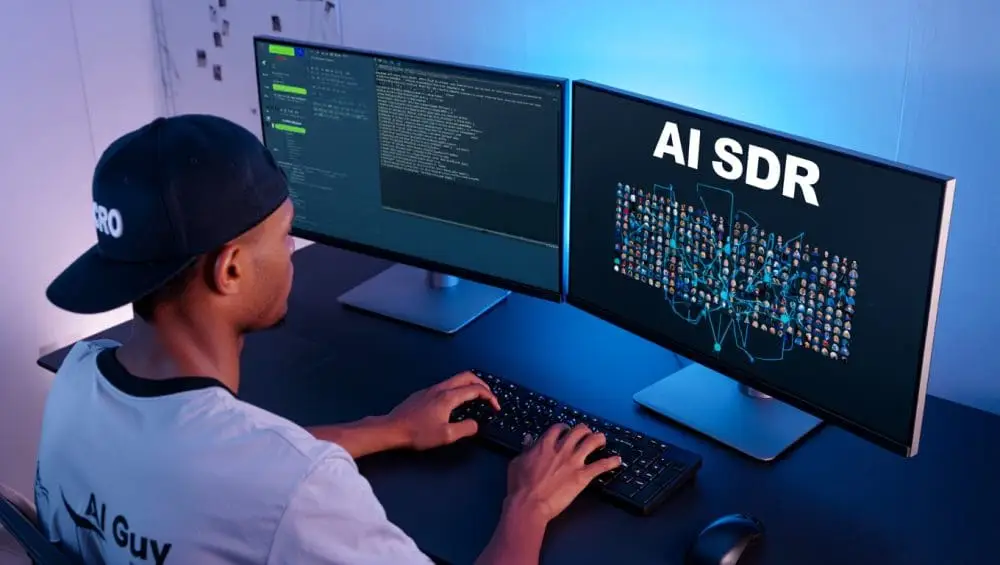

The recent proliferation of artificial intelligence-powered sales development representatives (SDRs) presents a significant opportunity for businesses across the Middle East and North Africa (MENA) region, yet the successful deployment of these technologies remains surprisingly elusive. A critical factor overlooked by many organizations is the intensive training and ongoing optimization required. While the initial technical setup of an AI SDR solution can be achieved within days, the true value is unlocked through a dedicated investment of at least 60 days in comprehensive training – a phase frequently skipped, leading to underwhelming results and ultimately, failed AI SDR deployments.
The business impact of effectively implemented AI SDRs is substantial. Beyond increased lead generation, these tools can enhance sales team productivity, improve conversion rates, and ultimately contribute to accelerated revenue growth. Crucially, successful deployments necessitate a collaborative approach between the business and the vendor. Sovereign capital in the MENA region increasingly recognizes the strategic importance of digital transformation, and AI SDRs represent a key enabler. This translates to demand for advanced solutions and a willingness to invest in the necessary training to maximize ROI. Furthermore, the burgeoning venture capital ecosystem within the region is actively funding AI startups focused on sales and marketing automation, recognizing the potential for significant returns. However, the current lack of standardized training frameworks and best practices poses a risk to these investments.
The broader regional implications extend to infrastructure development and talent acquisition. A robust digital infrastructure is essential to support the seamless operation of AI SDR solutions. MENA is experiencing significant investment in connectivity and cloud computing, laying the groundwork for wider adoption. However, companies must ensure compatibility between their existing systems and the chosen AI SDR platform. Equally important is the development of a skilled workforce capable of managing and optimizing these systems. Training programs, both internal and vendor-led, are vital to bridge the talent gap and ensure the long-term success of AI SDR deployments. This creates an opportunity for regional governments to play a role in fostering digital literacy and supporting AI-related skills development initiatives, potentially leveraging sovereign funds directed toward human capital investment.
In conclusion, while the technological advancements in AI SDRs are promising, the success of these deployments hinges on a strategic commitment to comprehensive training and ongoing optimization. Ignoring this critical phase risks squandering substantial investments and hindering regional economic progress. MENA’s business leaders must prioritize the “training” component alongside the initial deployment, fostering a culture of continuous improvement and collaboration with vendors. This requires a shift in mindset from viewing AI SDRs as a “set it and forget it” solution to recognizing them as a dynamic tool requiring constant attention and refinement. The alternative – a six-month period of frustration and vendor churn – is simply not an option.