
AI tokens emerging as a fourth pillar of engineering compensation in Silicon Valley carry profound implications for MENA’s sovereign capital allocation and venture capital strategies, demanding strategic recalibration from regional investors and policymakers. Sovereign wealth funds, allocating billions annually to global technology infrastructure, must now evaluate whether such token-based compensation models accelerate AI talent deployment in the region or merely inflate burn rates for portfolio companies. The projected $250,000 annual compute budgets per engineer highlighted at Nvidia’s GTC event signal a structural shift in AI operational expenses, potentially redirecting regional VC focus from conventional software investments towards foundational infrastructure plays that support token-centric development environments.
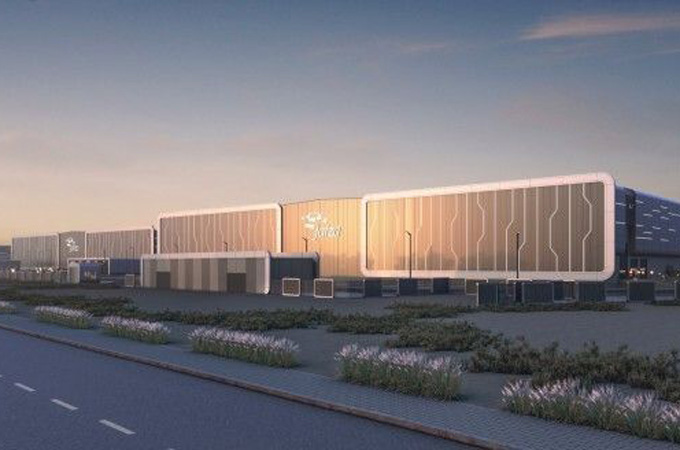
This paradigm shift intensifies infrastructure pressures on MENA’s digital backbone, as agentic AI systems like OpenClaw drive unprecedented compute requirements. Regional data center operators face urgent decisions on capacity expansion and energy infrastructure to support the token consumption volumes that already exceed some engineers’ base salaries at global firms. Sovereign-backed digital infrastructure projects, such as Saudi Arabia’s NEOM Smart City or UAE’s Mohamed bin Zayed University of Artificial Intelligence, must now integrate AI token economics into their long-term projections, balancing energy costs against compute democratization goals. The region’s competitive advantage lies in leveraging sovereign capital to build energy-efficient hyperscale facilities capable of processing these workloads at lower operational costs than traditional silicon hubs.
For MENA enterprises, the token compensation model introduces a fundamental restructuring of talent acquisition and operational economics, while creating opportunities for homegrown AI platform development. Regional corporations must assess whether subsidizing engineers’ token budgets—potentially approaching salary levels—delivers sufficient productivity gains to justify the significant infrastructure and recurrent expenditure. More critically, this trend accelerates the value extraction from regional data, positioning sovereign-backed AI platforms to monetize compute resources by providing token-as-a-service offerings to global enterprises. MENA’s investment thesis should pivot toward developing sovereign-controlled AI compute fabric that not only supports domestic needs but also captures value from the burgeoning global token economy, ensuring long-term sovereignty in the AI-driven digital economy.