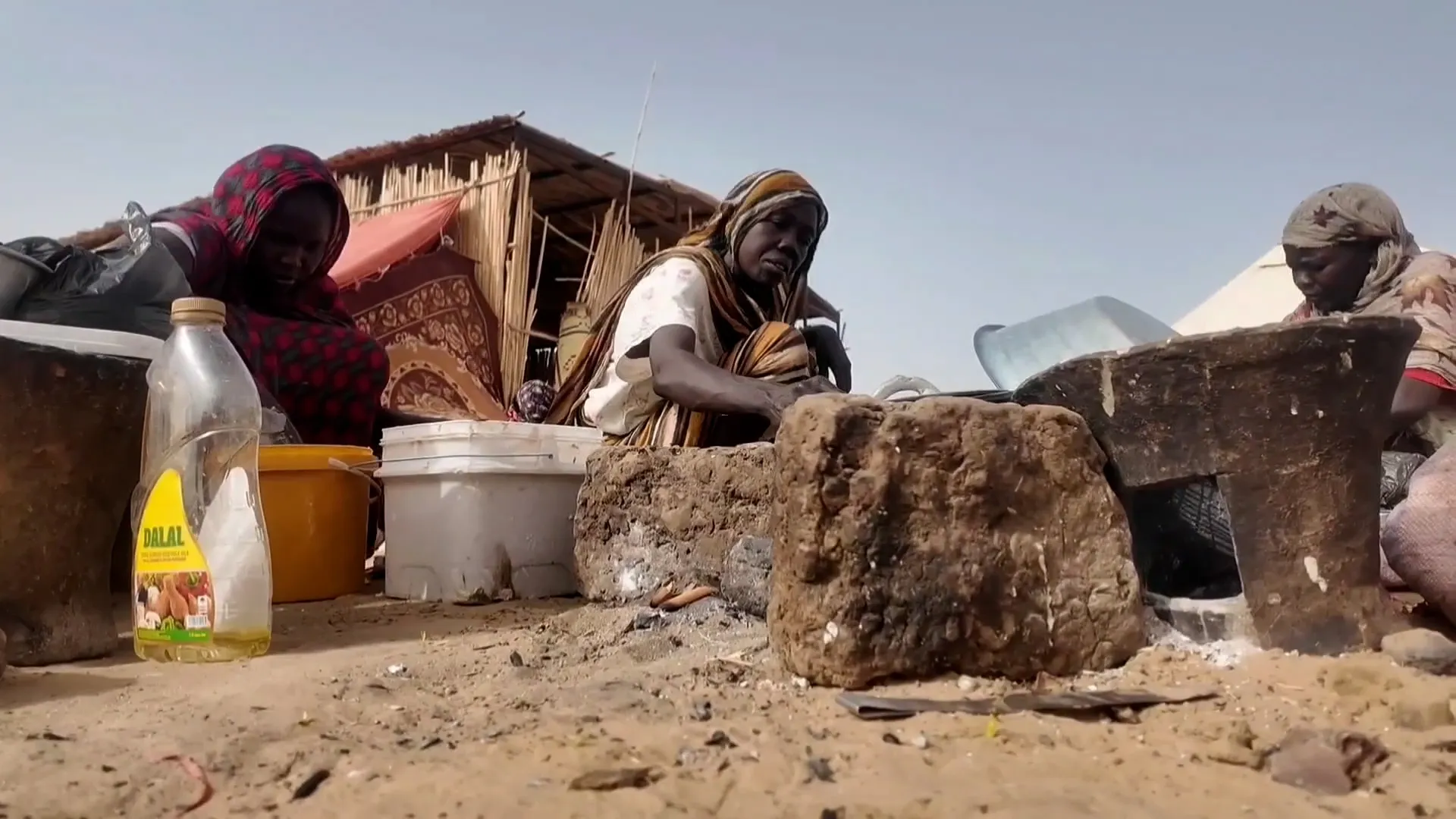

The recent disruption of World Food Programme (WFP) aid operations in Sudan’s White Nile State represents a critical and escalating humanitarian crisis with far-reaching implications for the broader MENA region. While the immediate impact is devastating – leaving an estimated 12,000 displaced families without vital food assistance – this event underscores a systemic vulnerability within Sudan’s already fragile economic and security landscape. The cessation of this crucial lifeline directly threatens the stability of local markets, exacerbating inflationary pressures and potentially triggering social unrest, factors that invariably ripple outwards, impacting neighboring nations reliant on Sudanese trade and migration flows. Furthermore, the inability of international organizations to effectively deliver aid highlights a significant challenge to regional security architecture, demonstrating a capacity gap within established mechanisms for crisis response.
The disruption has a pronounced effect on sovereign capital investment and venture capital activity within the region. Investors, particularly those focused on impact investing and sustainable development, are reassessing risk profiles, leading to a potential slowdown in capital deployment to sectors reliant on stable governance and predictable supply chains. Specifically, agricultural technology (AgTech) ventures, which were increasingly targeting Sudan’s fertile lands, are facing immediate uncertainty. Simultaneously, sovereign wealth funds – notably those in Saudi Arabia, the UAE, and Qatar – are likely to scrutinize their existing exposure to Sudanese assets and potentially curtail future investments until a more stable environment emerges. The precedent set by this aid failure signals a heightened sensitivity to geopolitical risk, demanding a more cautious approach to capital allocation across the MENA corridor.
Beyond the immediate humanitarian consequences, the WFP’s operational difficulties expose critical deficiencies in regional infrastructure. Sudan’s logistical bottlenecks, compounded by ongoing conflict and security concerns, have consistently impeded the efficient delivery of aid, even prior to this latest setback. This necessitates a strategic re-evaluation of infrastructure investment priorities across the MENA region. Increased investment in transportation networks – including roads, railways, and ports – is paramount, alongside bolstering digital connectivity to facilitate remote monitoring and aid distribution. The crisis underscores the need for a coordinated regional approach to strengthening supply chain resilience, moving beyond purely reactive measures to proactive investment in foundational infrastructure.
Ultimately, the situation in White Nile State serves as a stark warning. The long-term economic and political stability of Sudan is inextricably linked to regional security and effective international cooperation. Failure to address the root causes of instability – including governance deficits and unresolved conflicts – will not only perpetuate human suffering but also undermine broader economic development and investment prospects throughout the Middle East and North Africa. A sustained, multilateral effort, prioritizing both humanitarian assistance and long-term stability initiatives, is now essential to mitigate the cascading effects of this crisis and prevent further destabilization.