
Amazon’s Silicon Strategy: A Deep Dive into the Middle East’s AI Future
The recent $50 billion investment by Amazon Web Services (AWS) in OpenAI signals a pivotal moment in the global AI landscape, and its implications extend far beyond Silicon Valley. This move, coupled with AWS’s ongoing development of its Trainium chip – a competitor to Nvidia’s dominance – represents a strategic realignment within the cloud computing market, with significant ramifications for sovereign capital investment, venture capital activity, and the broader infrastructure development across the Middle East and North Africa (MENA) region. The commitment to 2 gigawatts of Trainium computing capacity underscores AWS’s ambition to become the primary AI infrastructure provider, potentially reshaping the dynamics of regional digital transformation.
The core of this shift lies in the Trainium chip’s focus on inference – the process of running AI models to generate responses – a bottleneck currently limiting AI performance. AWS’s investment in this area, alongside its partnership with Cerebras Systems to integrate their inference chip, positions the company to capitalize on the growing demand for real-time AI applications. This strategy directly impacts MENA nations increasingly focused on leveraging AI for government services, financial inclusion, and smart city initiatives. Sovereign wealth funds, traditionally invested in traditional sectors, are now increasingly exploring opportunities in AI infrastructure and related technologies, potentially driving a surge in investment in data centers and connectivity solutions across the region. Venture capital firms are also likely to shift their focus towards AI-focused startups, particularly those developing applications for localized markets and addressing specific regional challenges.
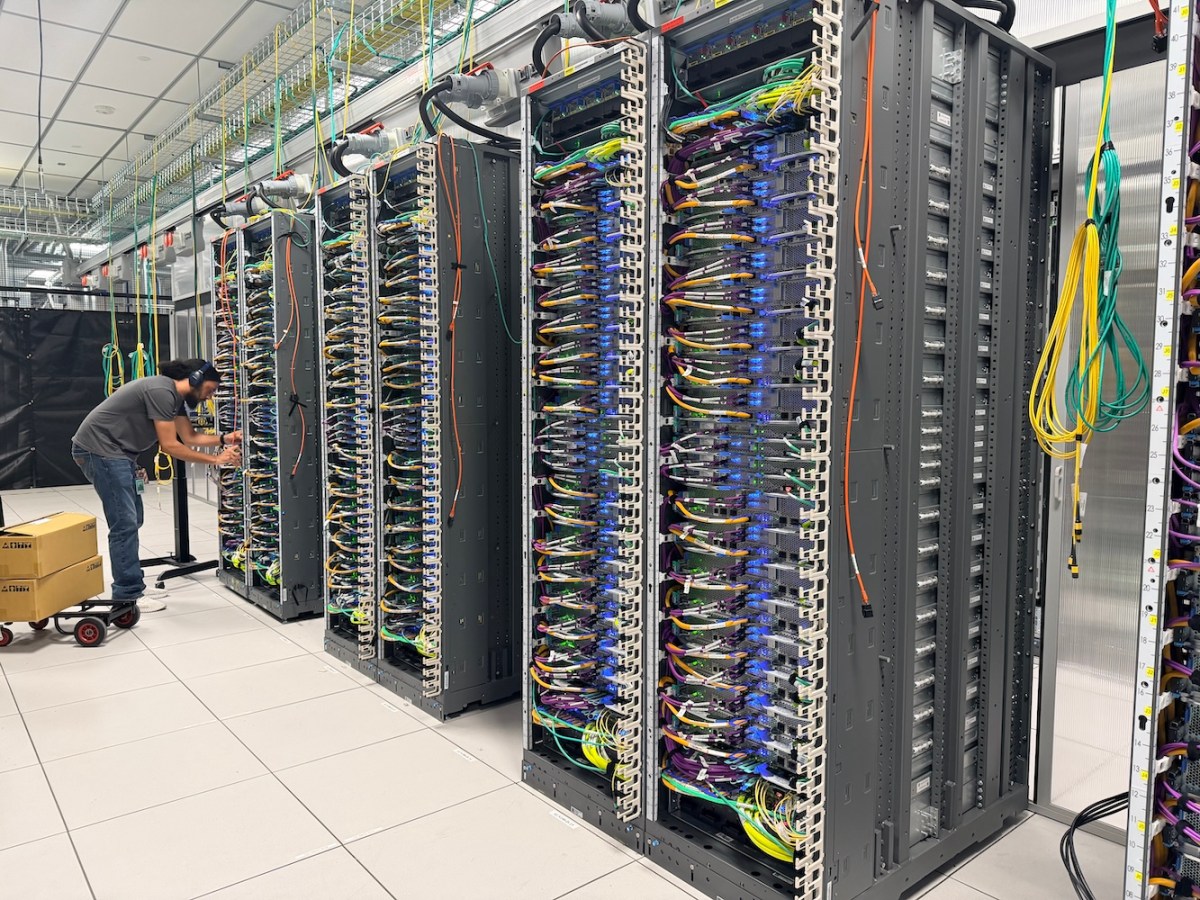
The operational realities of AWS’s chip development lab in Austin, Texas, offer a compelling case study. The “bring-up” process – the initial testing and debugging of a new chip – highlights the intensive engineering effort required to compete with established players like Nvidia. The team’s reliance on custom-designed sleds, liquid cooling systems, and a dedicated data center underscores a vertically integrated approach, aiming for greater control over the entire AI infrastructure chain. This model, mirroring Amazon’s broader strategy, has implications for MENA nations seeking to build their own localized AI ecosystems. The need for specialized hardware, skilled engineers, and robust data infrastructure presents a significant hurdle, but also a potential opportunity for regional investment in these areas. Furthermore, the potential for competition with Nvidia – and the associated legal complexities – could spur innovation and drive down costs, benefiting both regional businesses and consumers.
Ultimately, Amazon’s strategic move to bolster its AI capabilities through Trainium and its partnership with OpenAI represents a broader trend of technological competition and innovation. The Middle East, with its ambitious digital transformation goals, abundant renewable energy resources, and growing tech talent pool, is poised to play a crucial role in this evolving landscape. While challenges remain – including regulatory uncertainty and the need for sustained investment – the region’s strategic location and commitment to innovation position it as a key beneficiary of the global AI revolution. The coming years will undoubtedly witness a significant influx of capital and expertise, driven by both sovereign wealth funds and private investors, as nations across the MENA region seek to establish themselves as leaders in the burgeoning AI industry.