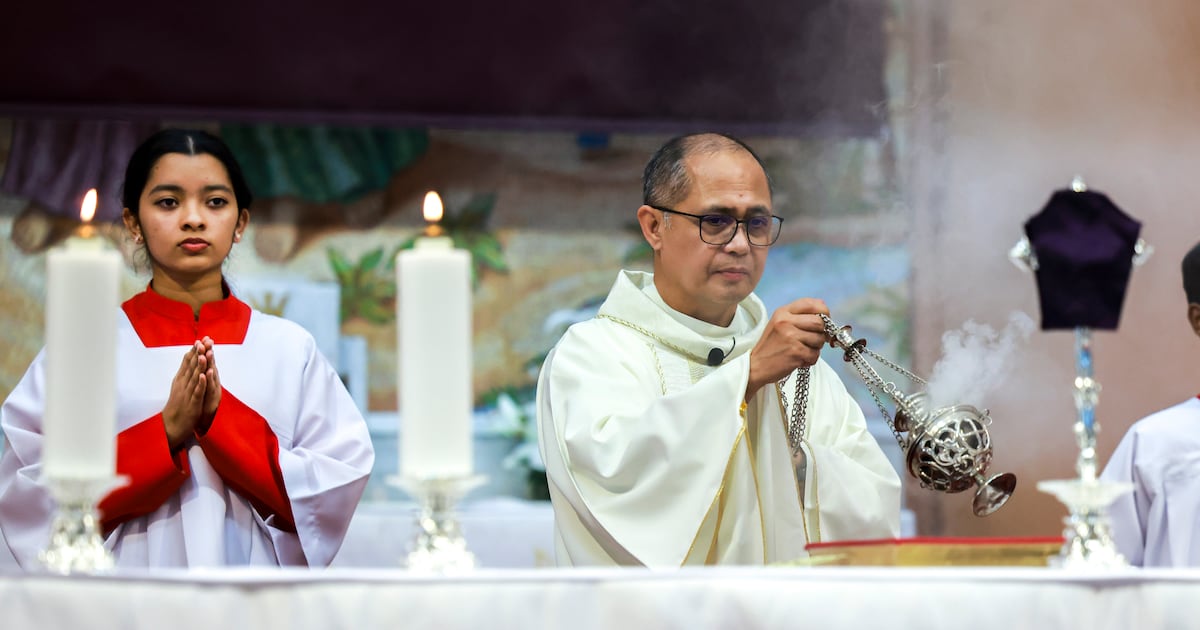

The ongoing conflict in the Middle East casts a long shadow over traditional religious observances in the UAE, with significant implications for local business operations, sovereign capital deployment, and regional venture capital flows. Easter celebrations, typically a period of heightened activity for tourism and hospitality sectors near major religious sites like Dubai’s St Mary’s Cathedral and Abu Dhabi’s St Joseph’s, face unprecedented constraints due to security protocols stemming from the Iran war. These measures—limited indoor capacity, first-come, first-served entry systems, and condensed service schedules—directly impact attendance figures and associated revenue streams for nearby businesses. The strategic shift towards digital streaming of services represents a forced acceleration of existing tech adoption trends, potentially offering new revenue models but also highlighting infrastructure resilience challenges in maintaining seamless virtual engagement during crises. This scenario underscores the UAE’s sovereign capital priorities: safeguarding community stability through controlled public gatherings while leveraging its status as a regional hub to mitigate broader economic disruptions.
Venture capital activity in the UAE faces heightened scrutiny amid global volatility, with investors increasingly prioritizing sectors demonstrating resilience or innovation in response to geopolitical tensions. The adaptation of religious institutions to digital-first service models, exemplified by St Joseph’s reduced English-language mass offerings and live-streamed events, signals a tangible shift in consumer behavior and institutional flexibility. This transition, while driven by necessity, aligns with broader UAE government initiatives promoting technological advancement and digital infrastructure development. Sovereign investment vehicles, such as Abu Dhabi’s Mubadala or Dubai’s Investment Corporation of Dubai, may increasingly channel capital into enabling technologies that support such adaptations—including advanced streaming platforms, smart venue management systems, and cybersecurity solutions essential for secure digital worship environments. This strategic focus reflects a broader economic imperative: harnessing technology to maintain social cohesion and attract international investment despite external instability.
The confluence of security concerns and religious observance pressures necessitates a reevaluation of regional infrastructure resilience. The UAE’s ability to host significant international religious and diplomatic activities, despite the Iran conflict, relies on robust logistical frameworks and sovereign-backed financial buffers. The successful execution of Easter services under constrained conditions demonstrates the effectiveness of pre-existing security protocols and the agility of local authorities. However, this also exposes potential vulnerabilities in large-scale event management and crowd control, particularly for outdoor gatherings historically central to UAE’s cultural calendar. Sovereign capital will likely play a crucial role in future-proofing this infrastructure through targeted investments in smart city technologies, enhanced digital platforms for real-time monitoring and communication, and resilient energy and communication networks. Such developments not only support immediate religious needs but also reinforce the UAE’s long-term positioning as a stable, innovative host for global business and faith communities amidst regional volatility.