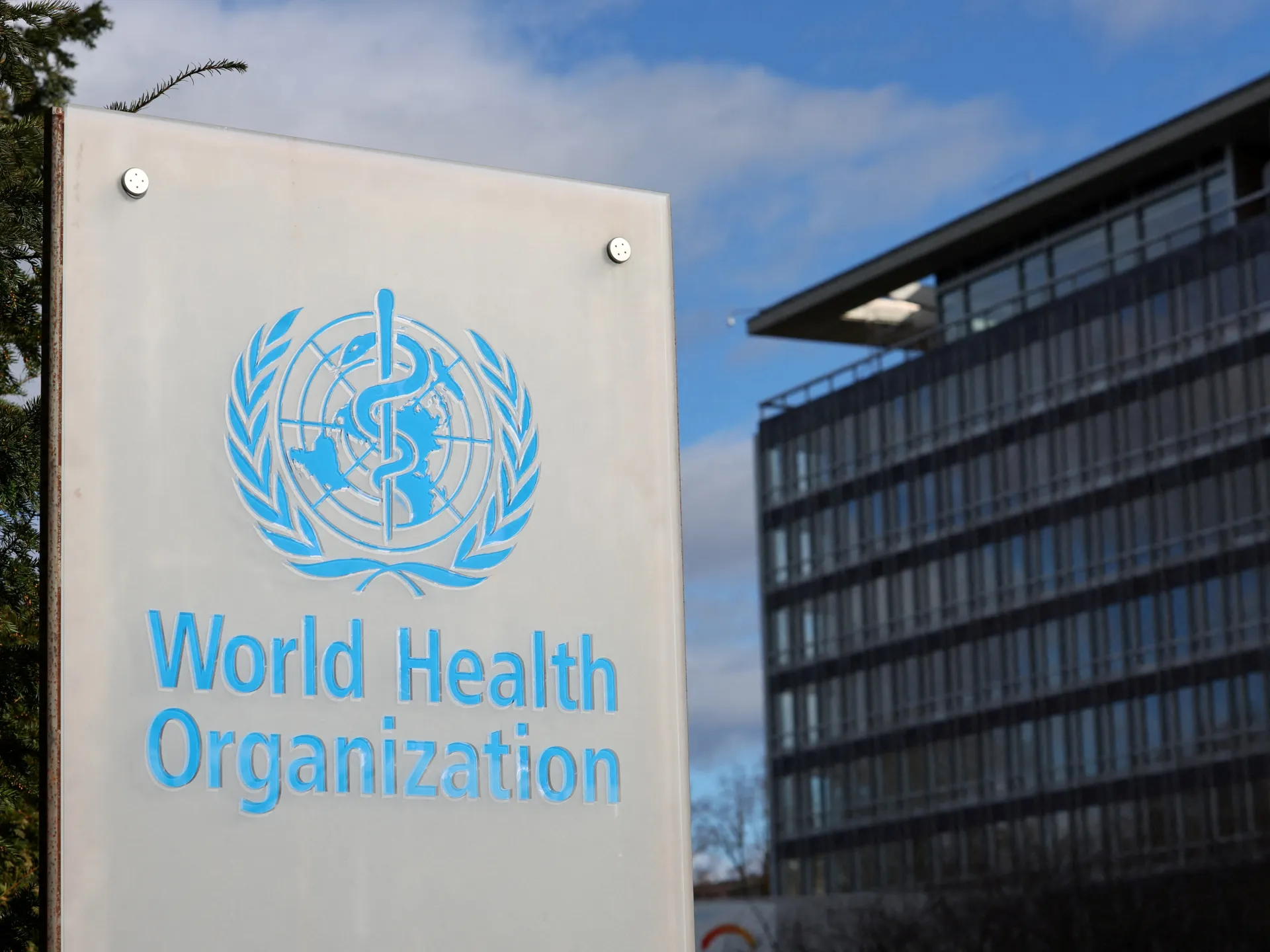

Argentina’s withdrawal from the World Health Organization (WHO), formalized under President Javier Milei’s libertarian administration, underscores a growing trend of populist skepticism toward multilateral institutions—a development with potentially destabilizing ramifications for the Middle East and North Africa (MENA) region. While the immediate consequences are concentrated in the Southern Cone, the symbolic rejection of a core global health mandate represents a strategic retreat from rules-based governance, a shift that could embolden nationalist factions in MENA seeking to prioritize unilateral policies over regional cooperation. For a region already grappling with fragmented infrastructure and capital flight, Argentina’s decision risks setting a precedent that undermines the credibility of international frameworks, including those critical to addressing cross-border health threats, energy diversification, and digital transformation initiatives.
From a sovereign capital perspective, Argentina’s posture reflects a broader structural challenge in emerging markets reliant on multilateral partnerships to access financing and maintain creditworthiness. The IMF and World Bank, key allies in MENA’s debt-laden economies, have long leveraged collaborative frameworks to enforce fiscal discipline and stimulate low-risk investments. Argentina’s exit from the WHO, justified by accusations of “progressive overreach” during COVID-19, signals a retreat from such conditional cooperation. For MENA states dependent on similar institutions for sovereign debt restructuring and climate financing, this trend could erode confidence in the region’s ability to adhere to binding international commitments, potentially raising borrowing costs and deterring foreign direct investment in infrastructure and technology sectors.
Venture capital ecosystems in the MENA region may face second-order disruptions as global health crises persist without a cohesive global response. The pandemic exposed severe gaps in MENA’s pharmaceutical supply chains and vaccine distribution networks, with many countries pivoting to public-private partnerships to bolster local production. Argentina’s rejection of the WHO weakens a key mechanism for coordinating these efforts, risking delays in intellectual property sharing, regulatory harmonization, and cross-border trial protocols. In an era where venture capitalists increasingly prioritize scalable health-tech solutions, reduced multilateral engagement could stifle innovation in diagnostics, telemedicine, and AI-driven healthcare—sectors critical for MENA’s post-oil economic diversification agendas.
Regional infrastructure initiatives, particularly those tied to energy transition and digital connectivity, face indirect but material consequences from Argentina’s unilateralism. The WHO’s role in global health surveillance is increasingly intertwined with infrastructure resilience programs—e.g., the recent COP28-led MENA Climate-Health Alliance, which ties greenhouse gas reduction targets to pandemic preparedness grants. Populist decisions to sideline multilateral bodies could derail these programs, leaving MENA states ill-equipped to address compounding crises. As sovereign capital markets demand transparency and Argentina’s peers adopt similar isolationist postures, regional infrastructure financing may encounter new hurdles, necessitating alternative risk-sharing models that prioritize sovereign-level guarantees over international organizational trust.