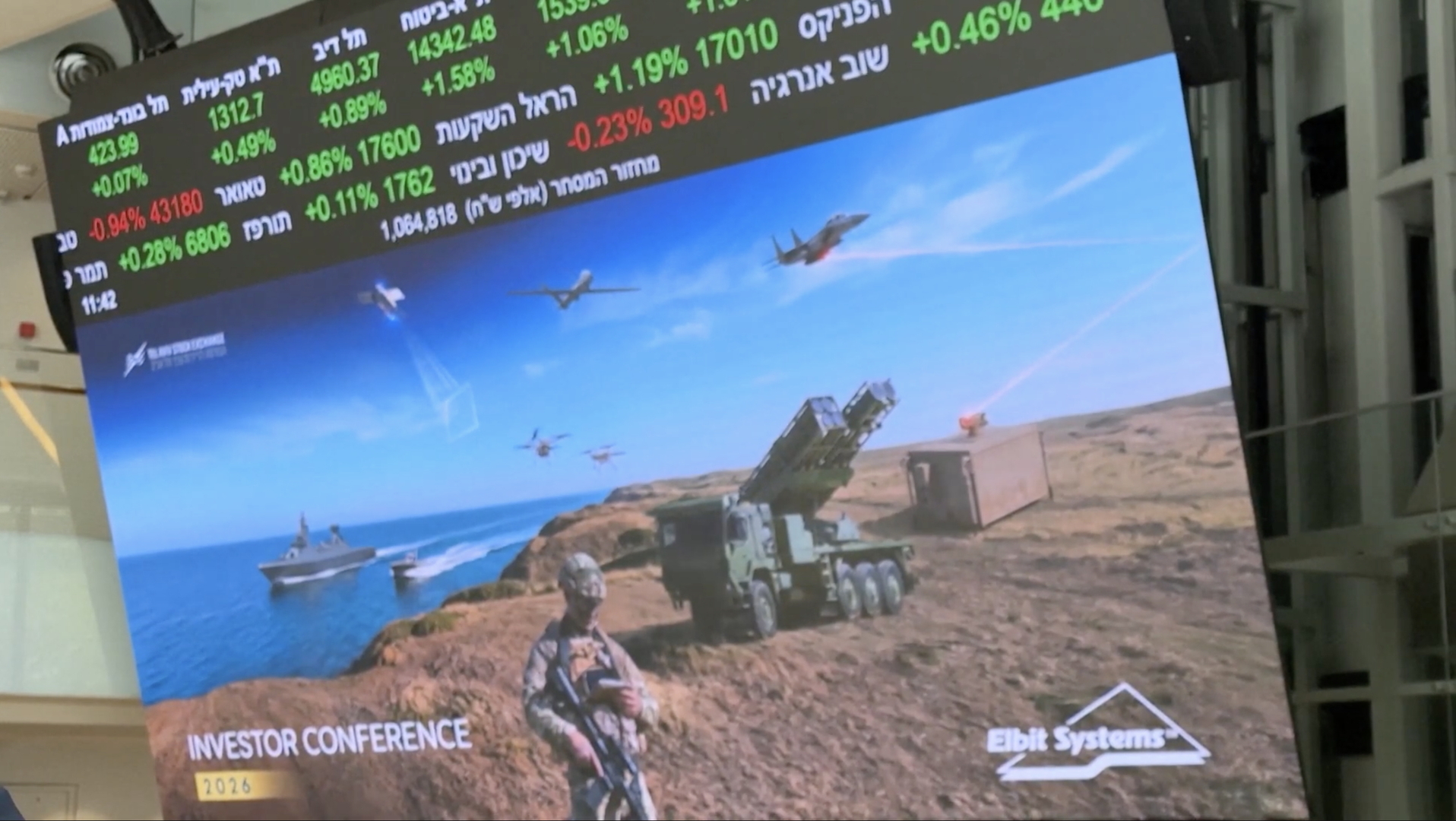

Elbit Systems, Israel’s preeminent defense contractor, has demonstrated a pronounced acceleration in business performance driven by sustained geopolitical turbulence across its primary operational theater, encompassing Iran, Palestine, and Lebanon. This expansion reflects not merely a response to conflict but a strategic entrenchment within the regional security ecosystem, where sovereign capital allocations are increasingly prioritizing advanced defense and surveillance capabilities as critical national security imperatives. The company’s rapid growth underscores the profound impact of geopolitical instability on defense sector valuations and procurement patterns, with Elbit positioning itself as a indispensable partner to regional governments seeking technological dominance and asymmetric warfare advantages.
Beyond immediate revenue generation, Elbit’s trajectory reveals deeper implications for regional infrastructure development. The escalating demand for integrated defense technologies—ranging cyber warfare solutions to unmanned aerial systems—is catalyzing significant sovereign infrastructure investments in cybersecurity, communications, and critical systems hardening across the MENA region. Venture capital flows into adjacent innovation clusters, particularly those focused on dual-use technologies and digital sovereignty, are increasingly attracted by the scale of government contracts and the demonstrated commercial viability demonstrated by entities like Elbit. This dynamic reshapes capital allocation priorities, diverting substantial sovereign and institutional capital towards infrastructure projects that directly support national defense objectives while fostering an enabling environment for defense technology startups.
Consequently, Elbit’s growth model exemplifies a broader macroeconomic trend where sovereign capital, increasingly mobilized through strategic sovereign wealth funds and national defense budgets, acts as a primary engine for infrastructure development within volatile environments. This capital, directed towards defense and security infrastructure, simultaneously attracts venture capital, fostering innovation ecosystems centered on technologies critical to regional stability. The implications extend beyond Elbit to influence broader financial flows, potentially reshaping risk appetites and investment strategies for international institutions and sovereign investors across the Middle East and North Africa, emphasizing resilience and technological self-reliance as foundational economic pillars.