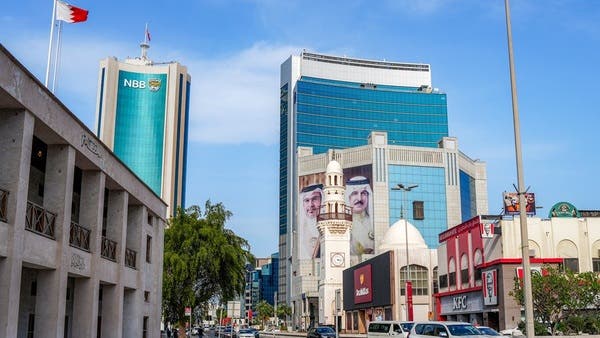

The arrest of five Bahraini nationals—and the pursuit of a sixth fugitive—on charges of illicit data collection for Iran’s Islamic Revolutionary Guard Corps marks a critical inflection point in Bahrain’s national security calculus and regional risk exposure. This operation does more than disrupt an isolated espionage ring; it unmasks Tehran’s continued use of proxy networks to conduct targeted surveillance of domestic infrastructure, government assets, and commercial sites, undermining Bahrain’s economic sovereignty and investor confidence. Given Bahrain’s role as home base for a substantial Gulf foreign mission presence and its banking sector dominance, even the perception of vulnerability can trigger accelerated sovereign capital reallocation toward more insulated hubs like Abu Dhabi and Doha, recalibrating the competitive balance for financial inflows across the Gulf Cooperation Council.
From a sovereign capital viewpoint, the disclosures surrounding the arrests reveal escalating effort by Iranian actors to map physical and digital geographies of high-value economic zones—hotels, banking districts, and transport nodes—potentially positioning them as future leverage points in conflicts that could disrupt Gulf liquidity. Bahrain’s small-but-connected citizenry and expatriate base make it uniquely exposed to infiltration, and any drift away from perceived security could cripple not only FDI but also challenge Bahrain’s maturing venture ecosystem, which relies on concentrated private equity and sovereign wealth initiatives. The nation’s ambitions to diversify beyond hydrocarbons increasingly hinge on uninterrupted participation in the high-margin cross-border financial and tech-enabled supply chains that Iran has repeatedly signaled as targets.
For regional infrastructure, the episode invites MENA governments to reexamine physical and cyber hardening, particularly around energy logistics and financial transactions. The coordinated focus on mapping critical installations suggests IRGC prioritization of chokepoint vulnerabilities in Bahrain’s integrated transport and power sectors. This will likely accelerate sovereign and multilateral technology investments in surveillance-resistant infrastructure, facial recognition for border tightening, and advanced cyber-defence mechanisms aligned to emerging economic corridors. In the broader financial technology industry, venture capital pools may find greater appeal in ventures developing resilient, autonomous platforms to hedge geopolitical disruption—particularly embedded intelligence that raises the cost of physical or cyber espionage. While Bahrain may yet reaffirm its openness, sustained confirmation of such threats will breed structural capital flows toward assets insulated by enhanced sovereign trust protocols—reshaping both risk premiums and Gulf-aligned venture capital strategies well into the decade.