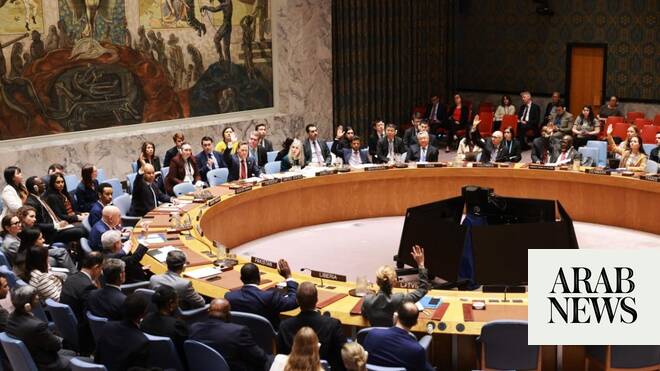

The deferral of the Bahrain-led UN Security Council vote on securing transit through the Strait of Hormuz has immediately triggered repricing pressures across regional capital markets and logistics infrastructure. As multilateral negotiations with Russian and Chinese delegations stall over the scope of authorized defensive measures, institutional allocators are treating waterway instability as a persistent structural cost rather than a transient geopolitical spike. With approximately one-fifth of global crude and a critical share of containerized trade routing through the corridor, the extended diplomatic timeline is accelerating sovereign capital reallocation toward redundant trade arteries, cross-border energy pipelines, and automated port ecosystems. Financial markets are rapidly discounting reliance on ad hoc security frameworks, pricing in elevated risk premiums for maritime-dependent assets while rewarding infrastructure that guarantees uninterrupted trade flows independent of UN consensus.
Sovereign wealth managers and Gulf development banks are responding to the diplomatic impasse by recalibrating deployment strategies toward hard infrastructure resilience and digitized supply chain architectures. State-backed capital is increasingly flowing into inland freight corridors, strategic commodity storage facilities, and smart customs verification platforms engineered to mitigate maritime chokepoint dependencies. This macroeconomic pivot carries direct implications for the regional venture capital cycle, where growth-stage funding is consolidating around insurtech platforms, AI-driven fleet optimization, and trade-fintech solutions capable of dynamically hedging geopolitical disruption. Venture funds and corporate investors are shifting from pure scalability underwriting to resilience-driven capital deployment, prioritizing startups that embed real-time commodity risk modeling, decentralized settlement, and decentralized physical infrastructure networks into core business operations.
From a strategic capital markets perspective, the vote postponement reinforces the imperative for sovereign-backed technological sovereignty across MENA’s trade and industrial sectors. State investment vehicles are reclassifying maritime telemetry, critical infrastructure digital twins, and predictive logistics algorithms as strategic defense assets, channeling patient capital into dual-use technology stacks that align with national security and post-oil economic diversification mandates. As diplomatic resolution remains contingent on protracted Security Council negotiations, regional financial authorities will increasingly leverage structured public-private partnerships and sovereign-guaranteed debt to fund data-driven transit architectures that operate independently of political timelines. Ultimately, capital allocation across the Middle East is transitioning from reactive crisis financing to structural resilience engineering, ensuring that MENA’s institutional money, infrastructure baselines, and venture ecosystems are capitalized to absorb, rather than amplify, global geopolitical friction.