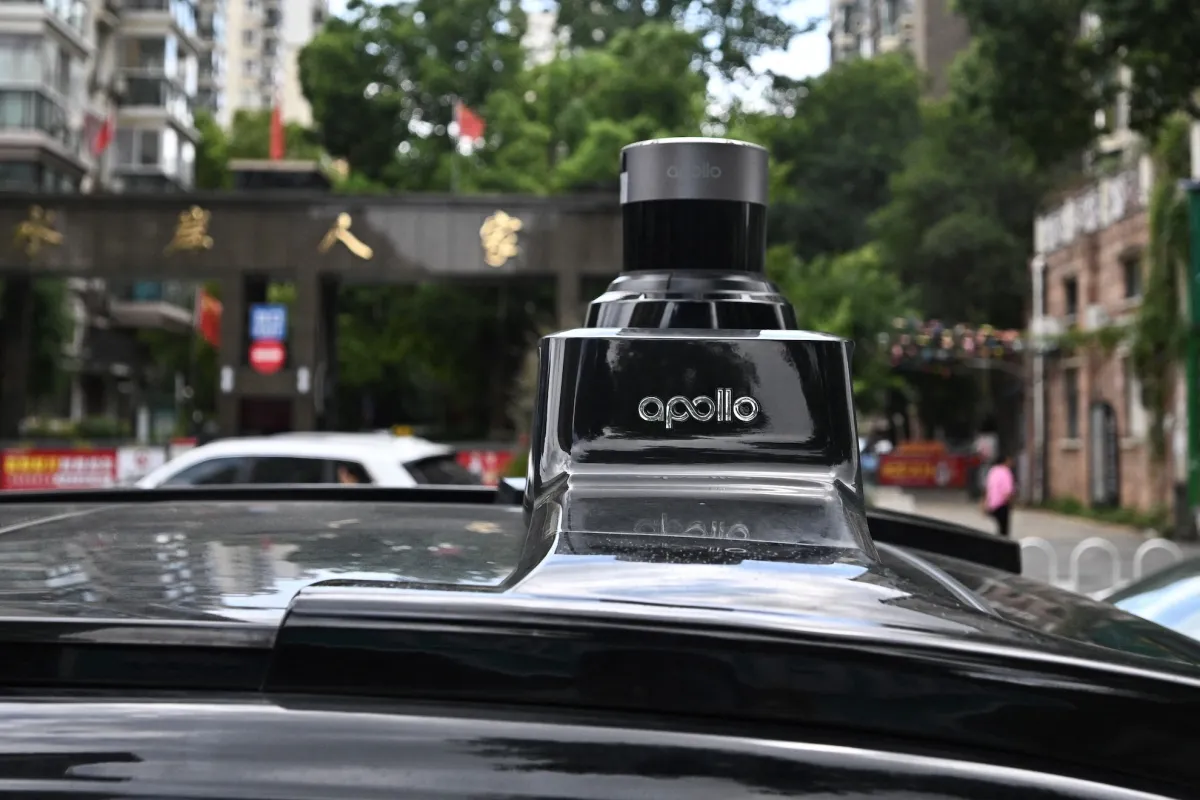

The recent operational standstill of Baidu’s Apollo Go robotaxi fleet in Wuhan, China, represents a significant setback for the autonomous vehicle (AV) sector and carries notable implications for the Middle East and North Africa (MENA) region, particularly given Baidu’s ambitious expansion plans. While the precise cause of the “system failure” affecting over 100 vehicles remains under investigation by local authorities, the incident underscores the inherent risks associated with deploying complex, AI-driven technologies in urban environments. The prolonged immobilization of passengers, some in hazardous roadway positions, highlights the critical need for robust fail-safe mechanisms and redundancy protocols within AV systems, demanding a more cautious approach to rapid deployment strategies.
Baidu’s planned deployment of over 1,000 autonomous vehicles in Dubai, announced last year, is predicated on significant sovereign investment and infrastructure development. The Wuhan outage raises immediate questions regarding the due diligence processes undertaken by Dubai’s authorities and the potential for delays or modifications to the rollout schedule. The UAE, alongside Saudi Arabia and other Gulf Cooperation Council (GCC) nations, has actively courted AV technology as a key component of their diversification strategies, aiming to reduce reliance on hydrocarbon revenues and foster innovation-driven economies. However, this incident necessitates a reassessment of the risk-reward profile, potentially leading to increased scrutiny of technology providers and a greater emphasis on rigorous testing and validation within the region’s unique operational conditions – including extreme heat and varied road infrastructure.
Beyond direct sovereign investment, the incident also impacts the broader venture capital landscape within the MENA region. Several regional VC funds have demonstrated interest in mobility-as-a-service (MaaS) and AV-related startups. While the long-term prospects for autonomous transportation remain positive, the Wuhan event will likely trigger a more conservative investment approach, with a greater focus on companies demonstrating demonstrable safety records and robust cybersecurity measures. Furthermore, the need for enhanced regional infrastructure to support AV operations – including high-resolution mapping, reliable 5G connectivity, and dedicated charging networks – is now amplified. This will require coordinated efforts between governments, private sector entities, and telecommunications providers to ensure the successful integration of AV technology into the existing transportation ecosystem.
Ultimately, the Baidu Wuhan incident serves as a stark reminder of the technological and operational challenges inherent in the widespread adoption of autonomous vehicles. For the MENA region, it necessitates a recalibration of expectations, a strengthening of regulatory oversight, and a more measured approach to integrating this transformative technology. While the potential benefits of AVs – including improved traffic flow, reduced accidents, and enhanced accessibility – remain compelling, a commitment to safety and reliability must remain paramount, particularly given the significant capital investments and strategic importance attached to this sector across the region.