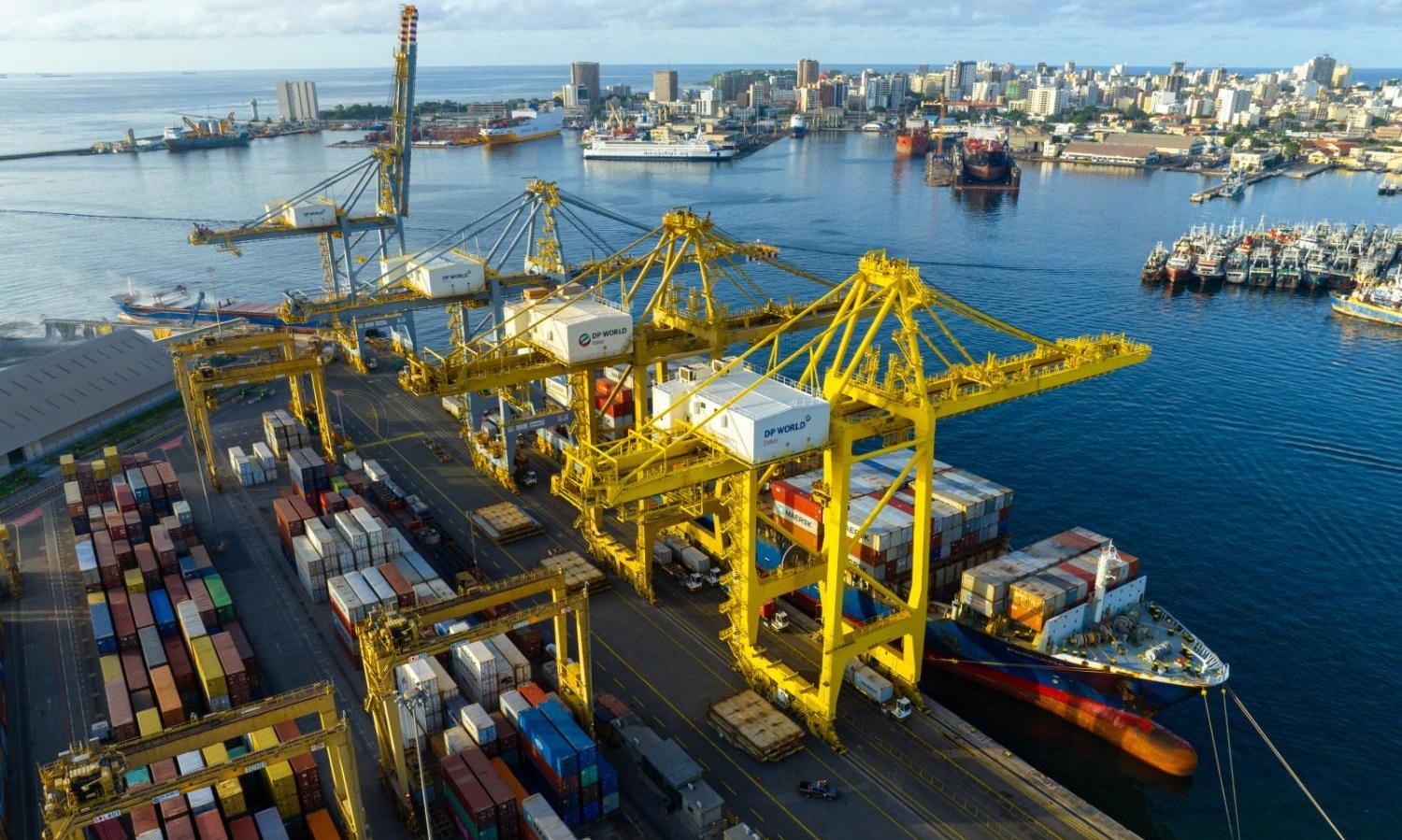

The escalating conflict necessitates a reevaluation of regional economic equilibria, wherein sovereign capital redistribution, venture capital dynamics, and infrastructure resilience emerge as critical focal points. Regional stabilization efforts must concurrently address liquidity constraints exacerbated by disrupted trade corridors and the imperative for coordinated reconstruction amid displaced populations. This convergence demands precise calibration to mitigate cascading effects on investment climates and operational viability across the MENA corridor.
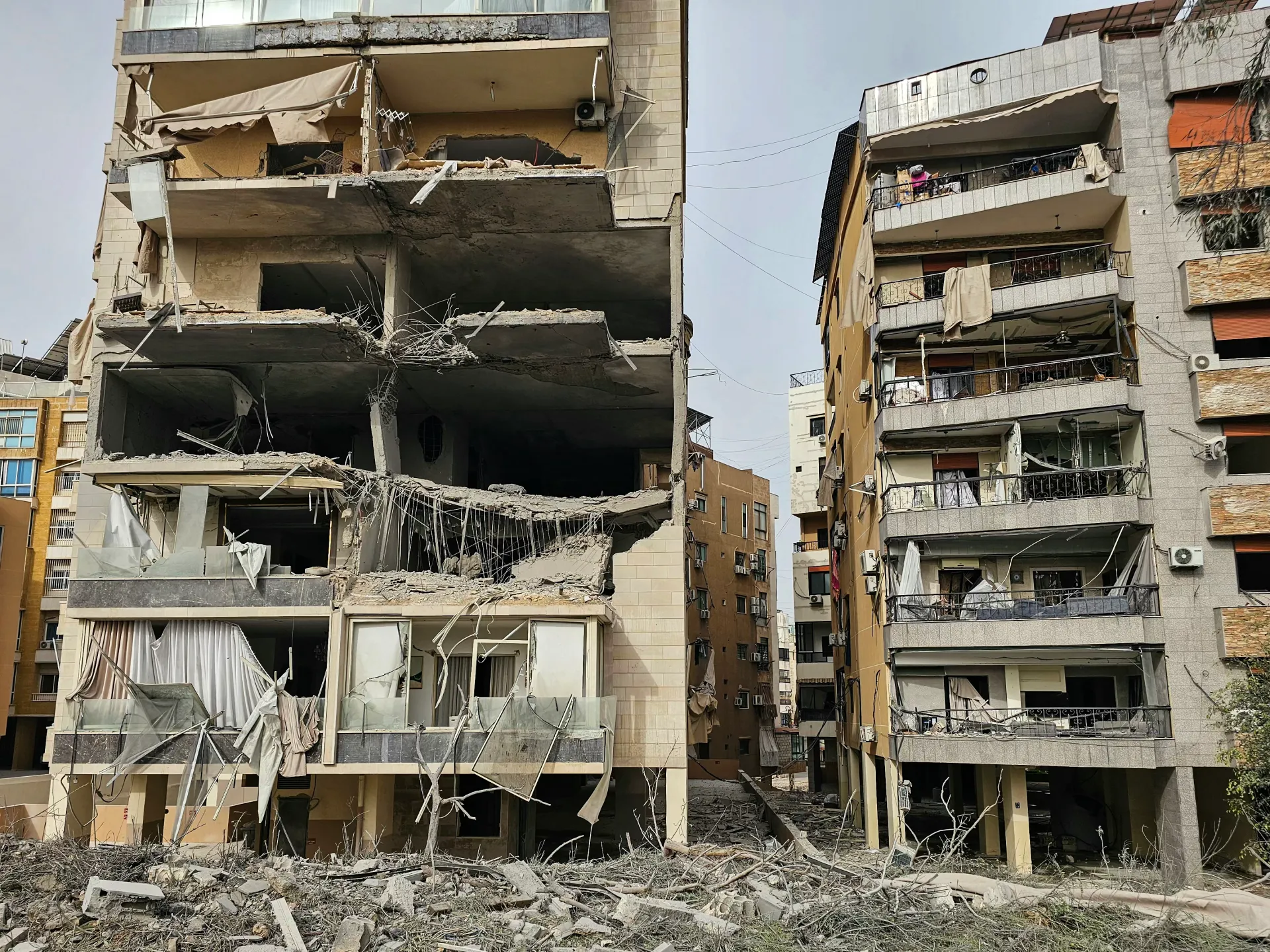
Sovereign measures, coupled with venture capital reallocation, underscore the region’s strategic pivot toward localized development initiatives, while infrastructure degradation exacerbates systemic vulnerabilities. Concurrently, cross-border tensions intensify pressures on existing urban infrastructures, necessitating adaptive governance frameworks to synchronize repair priorities and service continuity.
Geopolitical recalibrations further illuminate the complex interplay between military operations and economic stability, compelling stakeholders to navigate dual mandates of security assurance and developmental co-operation. Such dynamics reverberate beyond immediate conflict resolution, shaping long-term regional trade architectures.
Conclusion necessitates a consensus-driven approach harmonizing short-term crisis management with structural resilience imperatives, ensuring alignment with broader geopolitical objectives while safeguarding socioeconomic stability.