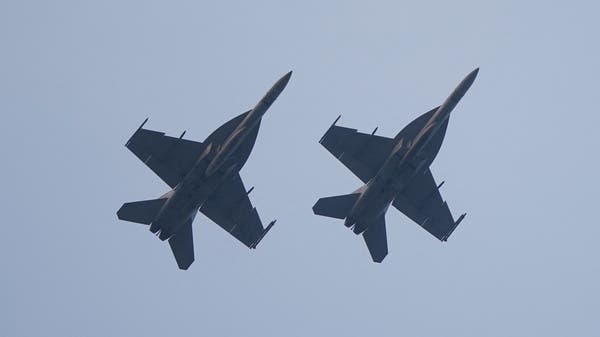

Recent events involving Iran’s deployment of advanced air defense capabilities represent a significant escalation with far-reaching implications for the broader Middle East and North Africa (MENA) region. The reported targeting of a US fighter jet underscores a heightened state of alert and necessitates a rapid reassessment of existing security postures and strategic investments. While the immediate incident appears contained, it exposes vulnerabilities within Iranian airspace and raises concerns about potential future confrontations, directly impacting regional stability and, crucially, the flow of capital and investment.
The business impact is multifaceted. Increased geopolitical risk translates to a contraction in foreign direct investment (FDI) across key sectors – particularly energy, tourism, and logistics – within Iran and neighboring states. Sovereign wealth funds and institutional investors, already cautious due to broader regional instability, will likely accelerate their diversification strategies, shifting capital away from MENA assets. Simultaneously, venture capital activity, particularly in cybersecurity and defense technology, is poised for a surge as regional governments and private entities seek to bolster their own security infrastructure. This shift will likely favor companies offering robust monitoring and protection solutions, creating both opportunities and competitive pressures within the technology landscape.
Sovereign capital plays a critical role in mitigating these risks. Countries like Saudi Arabia, the UAE, and Qatar, traditionally reliant on Iranian oil and gas, are accelerating their diversification efforts, investing heavily in renewable energy, technology, and infrastructure projects. This proactive approach, coupled with ongoing initiatives to develop independent regional supply chains, is designed to reduce dependence on volatile external factors. However, the heightened security environment will likely necessitate increased budgetary allocations for defense and security, potentially diverting resources from other strategic priorities such as education and healthcare. Furthermore, the potential for wider conflict could trigger significant capital flight, impacting the fiscal stability of several MENA nations.
Finally, the incident highlights the urgent need for enhanced regional infrastructure development, specifically in the areas of communication networks and surveillance systems. Reliable and secure data transmission capabilities are paramount for effective defense coordination and intelligence gathering. Investment in advanced radar systems and integrated command-and-control centers is no longer a discretionary expenditure but a critical imperative. The long-term implications extend beyond immediate security concerns; a more robust and interconnected regional infrastructure will be essential for fostering economic growth and facilitating trade in a more uncertain geopolitical environment.