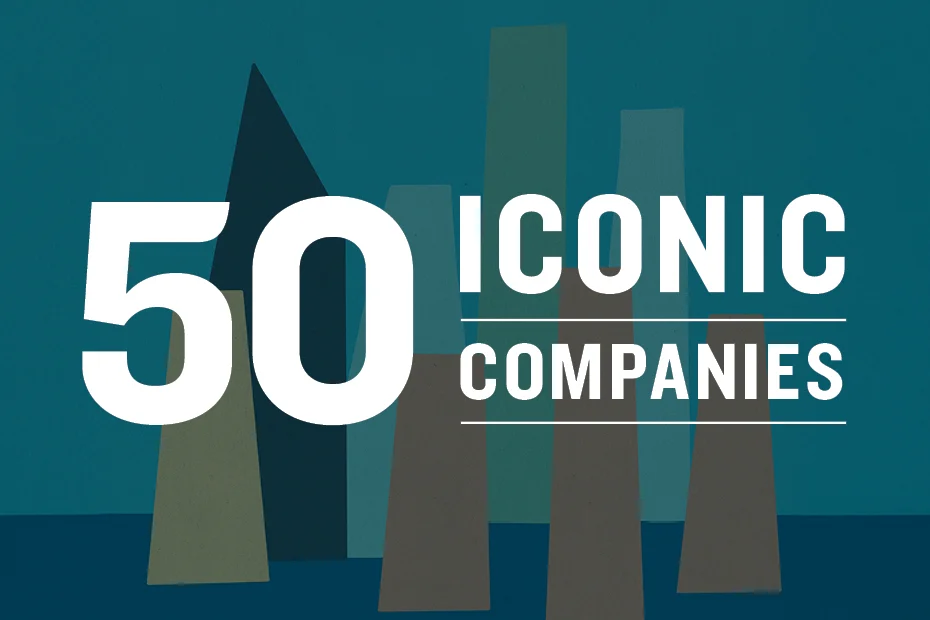

A recent ranking identifying the 50 most iconic companies in the Middle East and North Africa (MENA) region, while superficially celebratory, underscores a critical inflection point for the region’s economic development. The list, dominated by established conglomerates in sectors like real estate, construction, and diversified holdings, reveals a reliance on traditional industries and a comparatively nascent venture capital ecosystem. While these established players have historically benefited from favorable sovereign policies and access to subsidized financing, their continued prominence highlights a need for greater diversification and a more robust innovation-driven economy to ensure long-term resilience against global economic headwinds and shifting geopolitical landscapes.
The significant presence of companies with strong ties to sovereign wealth funds (SWFs) – particularly those from the GCC – is a defining characteristic of this ranking. These funds, possessing substantial capital reserves, have historically played a pivotal role in shaping the region’s business landscape, often directing investment towards strategic sectors and supporting national champions. However, a more nuanced approach is now required. Future SWF allocations should prioritize investments in emerging technologies, fintech, and sustainable industries, fostering a more dynamic and competitive environment. Furthermore, the success of these iconic companies is intrinsically linked to the ongoing development of regional infrastructure – logistics networks, digital connectivity, and energy grids – which necessitates continued public and private sector collaboration.
The relative scarcity of technology-focused startups within the top 50 underscores a persistent challenge: the limited scale and maturity of the MENA venture capital market. While VC funding has increased in recent years, it remains significantly smaller compared to global peers, and exits remain infrequent. This constraint hinders the growth of innovative companies and limits the region’s ability to compete in high-growth sectors. To address this, governments must implement policies that incentivize domestic and foreign VC investment, streamline regulatory frameworks for startups, and cultivate a talent pool capable of driving technological advancements. The recent focus on attracting global VC firms and establishing specialized funds targeting specific sectors represents a positive, albeit early, step.
Ultimately, the composition of this “iconic” list serves as a benchmark against which to measure future progress. The transition from a reliance on traditional industries and sovereign-backed conglomerates to a more diversified, innovation-led economy will require a concerted effort from governments, SWFs, and the private sector. Strategic investments in infrastructure, a more supportive regulatory environment for startups, and a deliberate shift towards high-growth sectors are essential to ensure that the next iteration of this ranking reflects a region at the forefront of global economic dynamism, rather than one anchored to the past.