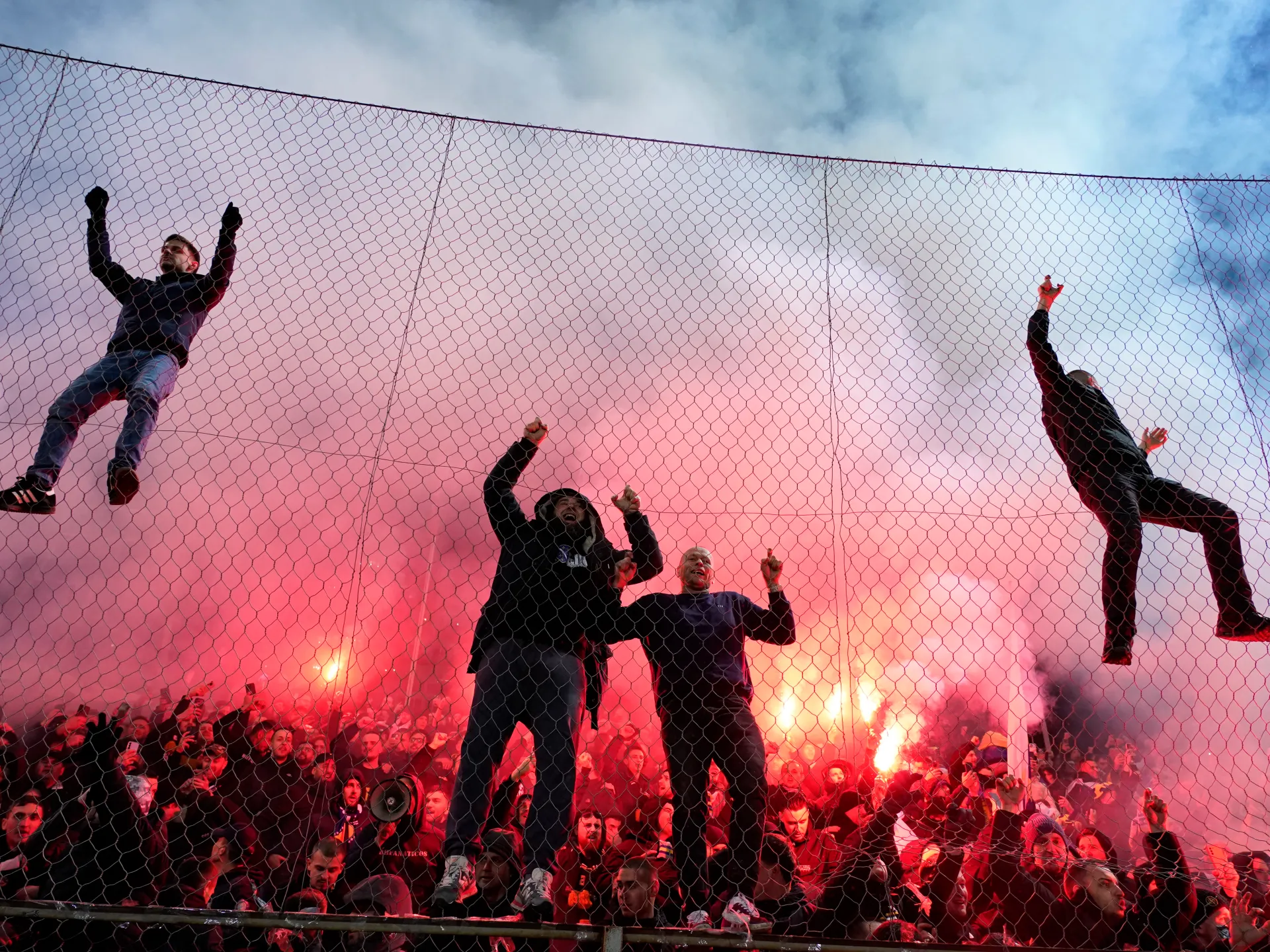

The dramatic World Cup qualifying victory that saw Bosnia and Herzegovina eliminate Italy from contention for the 2026 tournament in North America represents far more than a sporting triumph for a nation still rebuilding its infrastructure and global economic presence. The “Dragon’s Nest” stadium in Zenica, with its intimate 10,000-seat capacity and intimidating atmosphere for visiting teams, stands as a microcosm of Bosnia’s potential to leverage limited resources into outsized impact—a business model that resonates strongly with regional economies seeking diversification beyond traditional industries. The narrow victory in a penalty shootout, achieved against a four-time World Cup champion nation, demonstrates how smaller markets can compete successfully through strategic positioning and passionate execution, principles equally applicable to emerging economies in MENA seeking to attract foreign direct investment and international attention.
The financial implications of this victory extend well beyond immediate tourism revenue or temporary national euphoria. For Bosnia and Herzegovina, World Cup qualification would have generated millions in qualifying bonuses, tournament participation fees, and increased international visibility that could attract both sovereign capital investments and private sector opportunities. The match demonstrated the potential for sports infrastructure development as a catalyst for broader economic growth, particularly in secondary cities like Zenica that often struggle to attract investment compared to capital cities. This model offers compelling lessons for Middle Eastern nations pursuing sports tourism strategies or seeking to maximize returns from limited infrastructure investments, particularly as the region prepares to host major international sporting events that require strategic planning around venue capacity and fan experience optimization.
What makes this sporting narrative particularly relevant to MENA financial markets is the intersection of national pride, economic opportunity, and infrastructure development that such events catalyze. The overwhelming response from Bosnian expatriates and international supporters who traveled to witness the match, coupled with the massive celebrations that spilled into streets and surrounding cities, illustrates the mobilization potential of emotional investment—a phenomenon that translates directly into consumer confidence and economic activity. For regional economies seeking to build competitive advantages through cultural exports, tourism development, or international brand positioning, Bosnia’s ability to generate global attention through strategic sports investment presents a replicable framework. The victory, regardless of World Cup qualification outcome, has already enhanced Bosnia’s international profile in ways that sovereign wealth funds and development banks across the region should study closely as they pursue similar nation-branding strategies through cultural and sporting capital.