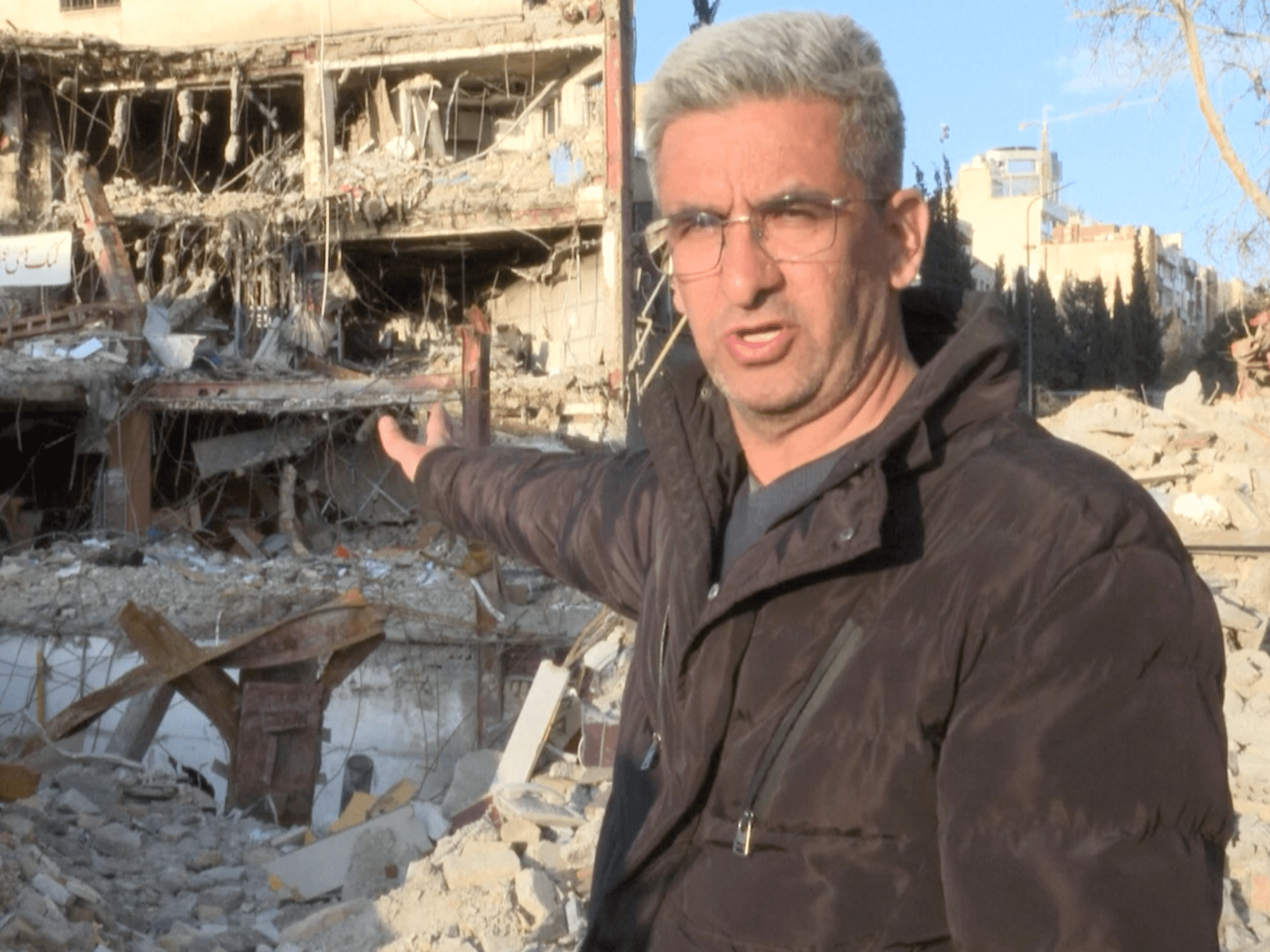

The recent demolition of a commercial hubin Tehran, triggered by an abrupt strike, signals a stark disruption to the Middle East and North Africa’s investment calculus. For sovereign wealth funds that have long underpinned megaprojects across the region, this incident underscores the fragility of urban infrastructure and forces a recalibration of risk assumptions that have traditionally favored uninterrupted development cycles.
In response, sovereign capital managers are accelerating the integration of resilience‑focused assets, directing capital toward firms offering modular construction technologies, real‑time asset‑monitoring platforms, and supply‑chain digitization. Venture capitalists are correspondingly catapulting funding into start‑ups that provide post‑event reconstruction services and predictive analytics, sectors that have historically struggled to attract the region’s risk‑averse investors.
Simultaneously, regional governments are revisiting permitting regimes and embedding robust insurance mechanisms within sovereign mandates to protect public‑private partnerships from geopolitical volatility. This policy shift seeks to safeguard the $300 billion pipeline of planned infrastructure corridors linking GCC states, Egypt, and Levant markets, ensuring that large‑scale projects can maintain momentum despite intermittent conflict.
Overall, the Tehran tragedy serves as a catalyst for a broader re‑evaluation of asset resilience across the MENA financial ecosystem, compelling both sovereign and venture investors to prioritize risk‑adjusted returns and to channel capital toward innovative solutions that sustain economic activity in an increasingly volatile environment.