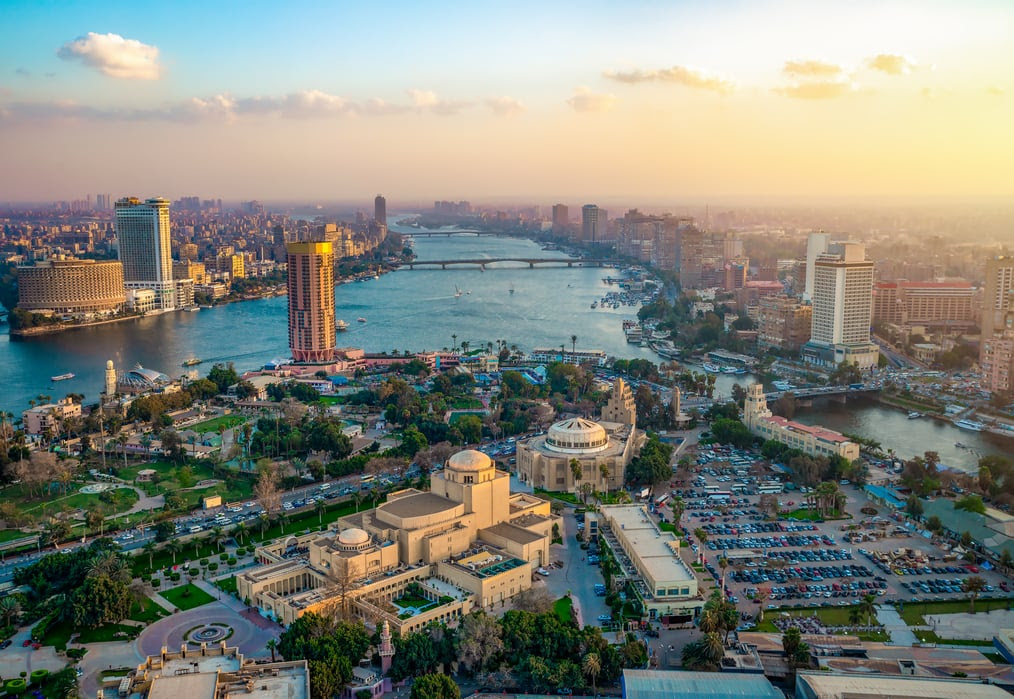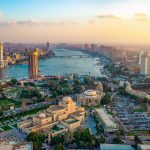

The Launches in Cairo as Future Hospitality Summit Egypt drives investment surge under Vision 2030 tourism boom, connecting investors, developers and leaders to unlock Egypt’s fast-growing hospitality market diplomatic imperative for Egypt under Vision 2030. This strategic initiative, orchestrated by The Bench and hosted at Sofitel Downtown Cairo Nile on 10–11 November 2026, represents a calculated effort to recalibrate regional and global capital flows toward Egypt’s restructured economic ecosystem. The summit acts as a conduit for sovereign capital deployment, leveraging government-backed guarantees and policy reforms—such as streamlined approval processes and infrastructure investment incentives—to de-risk private equity and venture capital participation. By aligning tourism growth with large-scale real estate and hospitality projects, Egypt is positioning itself as a nexus for institutional capital seeking double-digit returns, particularly in high-performing sectors like luxury residential hospitality and mixed-use developments. The event’s curated deal-making framework, featuring pre-arranged meetings and risk-mitigation tools, underscores its role as a transaction accelerator, mirroring similar initiatives in Turkey and Morocco but with distinct educational differentiation stemming from Egypt’s geographic pivot toward Central Asian and Gulf investor relations.
Egypt’s hospitality sector, projected to reach $9 billion by 2034, is experiencing a structural shift driven by Vision 2030’s dual focus on tourism diversification and infrastructure modernization. Record-breaking arrivals of 19 million tourists in 2025 have catalyzed demand for premium accommodations, with branded residences emerging as a preferred model for developers targeting high-net-worth investors. Approximately 45% of international capital deployed into Egypt’s real estate market now flows into branded residency projects—a segment combining hospitality asset utilization with residential ownership—which reduces operational friction for global investors. Concurrently, airports like New Administrative Capital (NAC) and Hurghada Airport’s $3 billion expansion, alongside safrada road network enhancements, are reducing connectivity friction, enabling latent tourist flows. These infrastructure plays are not isolated; they reflect a regional trend where sovereign-backed physical modernization in MENA nations serves as collateral for attracting cross-border private equity, with Egypt’s World Bank-listed pipeline serving as a barometer for investor sentiment across the region.
Technology and sustainability are redefining investment criteria in Egypt’s hospitality ecosystem. Smart tourism solutions—SMS-based booking platforms, AI-driven demand forecasting, and blockchain-enabled loyalty programs—are reducing operational costs while enhancing guest retention, creating opportunities for venture capital-backed startups to achieve rapid scale. Additionally, ESG compliance mandates under Vision 2030 are pushing developers toward energy-efficient building certifications and water recycling systems, further lowering risk profiles for greenfield investors. The summit’s emphasis on digital transformation and sustainable practices will likely catalyze a Bloomberg-style ETF of technology partnerships, positioning Egypt as a testbed for innovations later replicated across MENA. However, challenges persist: foreign ownership restrictions in certain sectors and sovereign debt sustainability concerns require nuanced governance to maintain investor confidence. The event’s success will hinge on translating pan-Arab partnerships into tangible equity stakes, a critical differentiator in a market where regional peers like Saudi Arabia and UAE have benchmarked similar public-private models with higher transparency benchmarks.
As Egypt emerges from relative isolation toward open, debt-driven tourism growth, the Future Hospitality Summit Egypt crystallizes a broader MENA imperative: transforming endemic capital scarcity into strategic opportunities through targeted infrastructure, policy, and private sector collaboration. By anchoring its reform agenda in hospitality—a sector with immediate visibility and high-margin scalability—the country not only addresses domestic diversification needs but also repositions itself as a gateway for Gulf and European capital seeking stable, yield-oriented exits. The summit’s dyanic role as both a knowledge-sharing platform and a marketplace underscores a pivotal truth: in an era where ESG-compliant growth trajectories define investment flows, Egypt’s alignment of brand-led hospitality expansion with scalable infrastructure investments offers a replicable blueprint for regional peers grappling with capital allocation inefficiencies and demographic headwinds. For investors, the message is unambiguous: the Middle East’s most transformative economic narrative is no longer confined to oil-rich capitals, but is being rewritten in the corridors of Cairo’s Sofitel Downtown, where administration, technology, and global capital are converging to redraw the map of MENA’s next economic frontier.