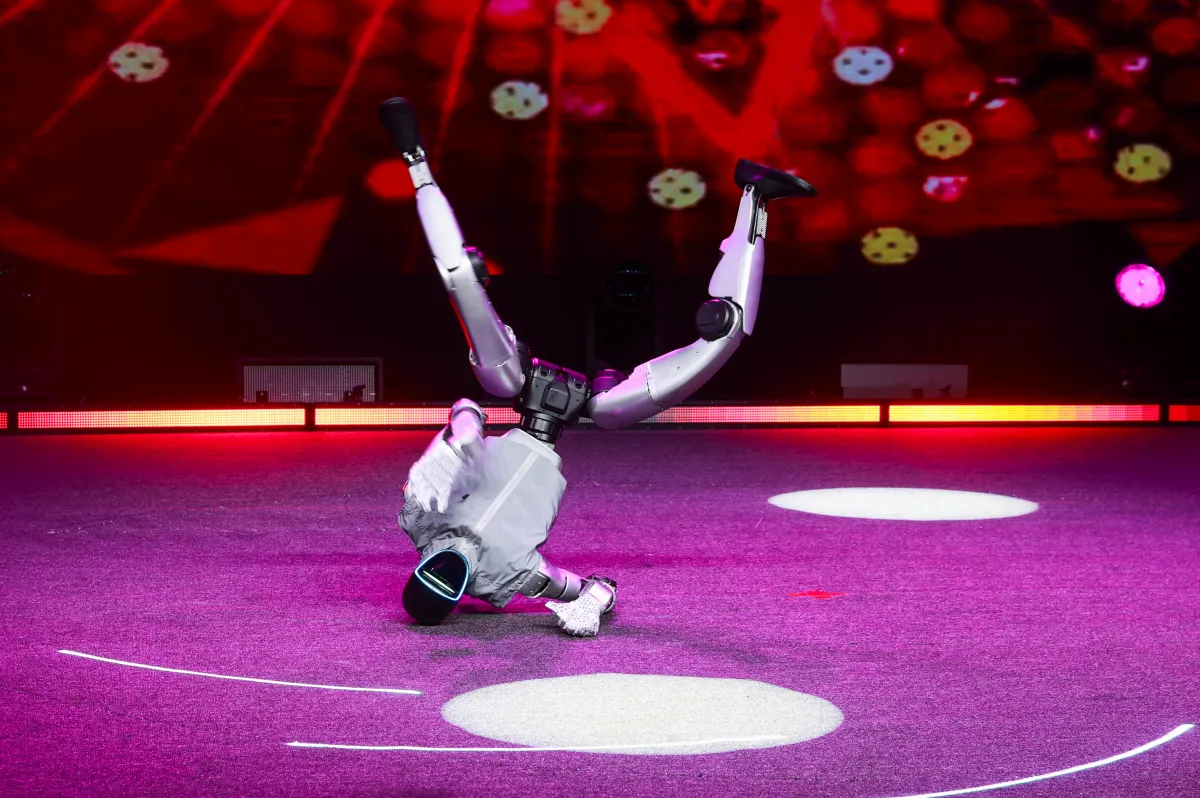

The recentincident involving a malfunctioning humanoid robot at a California hot pot restaurant serves as a stark cautionary tale for the Middle East and North Africa’s (MENA) accelerating adoption of automation in hospitality and retail sectors. This episode underscores critical vulnerabilities inherent in deploying advanced robotics within constrained, human-occupied environments, raising profound questions about operational safety protocols, liability frameworks, and the preparedness of regional infrastructure to handle such integrated technologies safely. As MENA states and sovereign wealth funds aggressively pursue visions of smart cities and automated service delivery, this event highlights the imperative for rigorous risk management and fail-safe mechanisms to prevent catastrophic failures that could undermine public trust and regulatory confidence.
The economic ramifications of such robotic malfunctions extend beyond immediate property damage, threatening significant operational disruptions and reputational damage to businesses. For MENA sovereign investors and venture capital (VC) entities heavily financing regional hospitality tech startups and robotic service providers, this incident necessitates a recalibration of investment thesis towards platforms prioritizing redundancy, fail-safes, and human-AI collaboration design. The volatility introduced by operational risks could deter capital flows into nascent robotics firms, compelling a shift towards more robust, vertically-integrated solutions with proven safety records or those focused on lower-risk, peripheral automation functions like inventory management or security. This event may catalyze a broader industry focus on cybersecurity resilience for robot networks, aligning with MENA’s nascent but rapidly evolving cyber defense infrastructure needs.
Consequently, this incident intensifies scrutiny on the infrastructural and regulatory foundations supporting robotic deployment in MENA. Sovereign capital, traditionally channeled through sovereign funds into large-scale infrastructure projects, might increasingly direct resources towards developing standardized safety certifications, dedicated testing facilities for autonomous systems within controlled environments, and sophisticated liability insurance frameworks specific to AI-driven equipment. Venture capital, while seeking high-growth opportunities in MENA’s tech scene, will likely prioritize firms demonstrating exceptional robustness in edge-case scenarios and ethical AI deployment protocols. This convergence of sovereign and VC priorities will fundamentally shape the regional robotics ecosystem, favoring companies offering transparent operational oversight and scalable solutions designed for complex, real-world settings – a direct response to the vulnerabilities exposed by the Haidilao incident.
Ultimately, the MENA region’s ambition to lead in technological integration must navigate the delicate balance between innovation and safety. The dancing robot’s unintended chaos serves as a powerful reminder that the path to fully autonomous service industries requires not just technological advancement, but equally robust infrastructural capabilities, stringent regulatory oversight, and a deep commitment to mitigating existential risks before they materialize, ensuring that progress in the sector is both sustainable and secure.