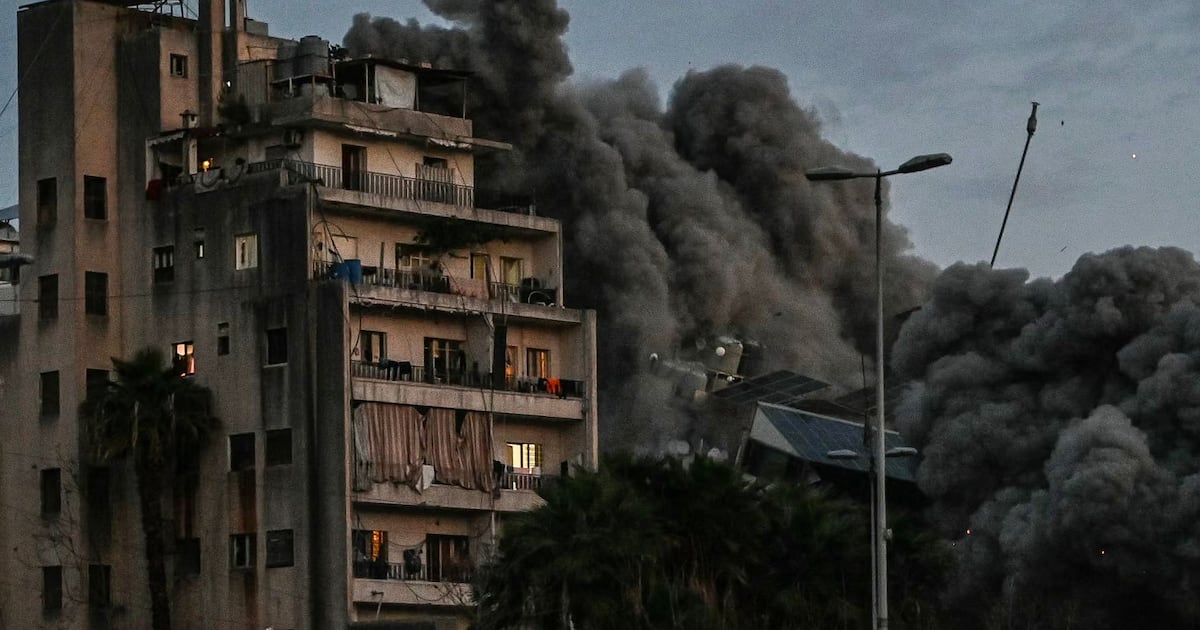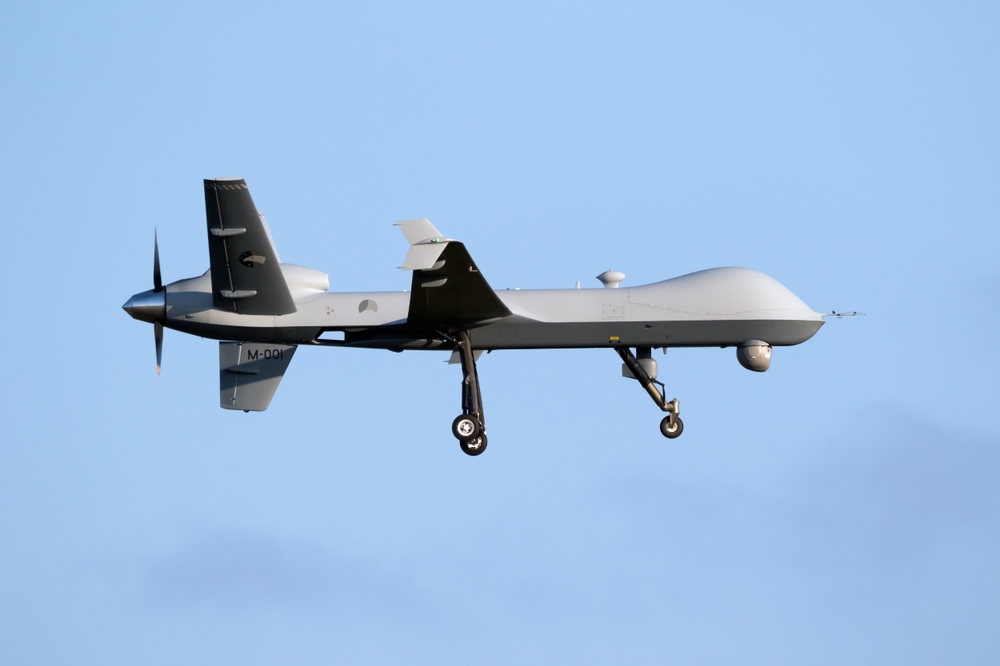

The escalating legal dispute between Anthropic, a leading US AI firm, and the Department of Defense represents a pivotal moment for the burgeoning artificial intelligence sector across the Middle East and North Africa (MENA), with significant implications for sovereign capital deployment, regional venture capital strategies, and the development of critical digital infrastructure. Anthropic’s refusal to allow its Claude AI assistant to be utilized for mass surveillance and autonomous weaponry, resulting in the loss of a $200 million contract and a designation as a “supply chain risk,” underscores a growing tension between governmental demands for AI capabilities and the ethical considerations of private sector developers – a tension that MENA nations are increasingly grappling with.
The region’s sovereign wealth funds, notably those in Saudi Arabia (PIF), the UAE (ADQ, Mubadala), and Qatar (QIA), have demonstrated substantial interest in AI and related technologies, allocating billions to both domestic and international ventures. This case highlights the potential risks associated with such investments, particularly when aligned with governments pursuing aggressive national security agendas. While MENA nations are eager to leverage AI for economic diversification and strategic advantage, the Anthropic precedent serves as a cautionary tale regarding the importance of due diligence and alignment with international ethical standards. Furthermore, the potential for retaliatory measures against companies prioritizing ethical constraints could deter foreign investment and stifle innovation within the region’s nascent AI ecosystem.
The venture capital landscape in MENA is also poised to be impacted. Local and international VCs are actively seeking opportunities in AI, but the Anthropic situation raises questions about the long-term viability of supporting companies that prioritize ethical boundaries over immediate government contracts. The region’s burgeoning tech hubs, such as Dubai and Riyadh, are striving to attract top AI talent and foster a culture of innovation. However, a perception that ethical constraints could jeopardize business prospects could hinder these efforts. The case necessitates a more nuanced approach to venture investment, factoring in not only financial returns but also the potential for regulatory and political headwinds.
Ultimately, the Anthropic-DoD conflict underscores the critical need for robust digital infrastructure and regulatory frameworks within the MENA region. The development of secure, reliable, and ethically governed AI systems requires significant investment in data centers, cybersecurity, and skilled personnel. Moreover, governments must establish clear guidelines for AI development and deployment that balance national security interests with the protection of individual rights and ethical principles. The ongoing legal proceedings will be closely watched across the globe, but particularly within the MENA region, as it navigates the complex intersection of technological advancement, geopolitical ambitions, and ethical responsibility.