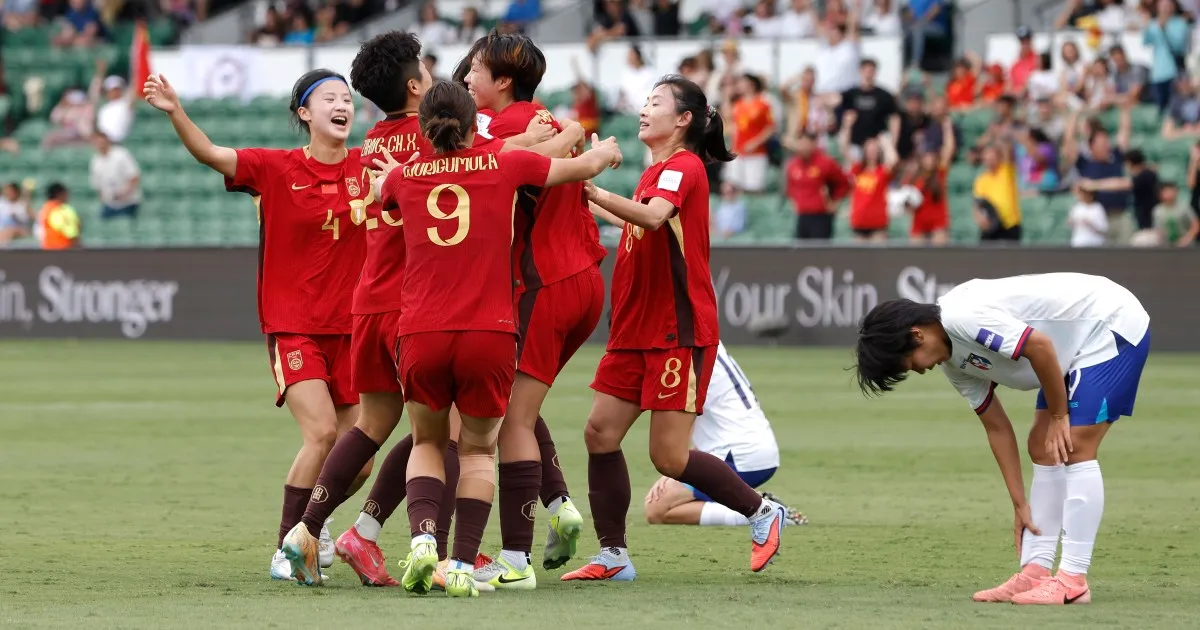

The recently concluded Women’s Asian Cup in Australia serves as a stark reminder of the accelerating financialization of global sports, a domain where sovereign wealth funds from the Middle East and North Africa (MENA) have emerged as dominant players. Entities such as Qatar Investment Authority, Saudi Arabia’s Public Investment Fund, and the UAE’s Mubadala are no longer passive participants but active architects, acquiring stakes in major sports franchises, securing media rights, and bankrolling mega-events to advance national branding and economic diversification agendas. This strategic capital deployment is directly linked to broader regional visions, such as Saudi Vision 2030 and Qatar National Vision 2030, which explicitly target sports as a catalyst for tourism, local content development, and soft power projection.
The business implications for MENA are multifaceted and substantial. Regional broadcasters and streaming platforms, including beIN Media Group and Shahid, are leveraging such tournaments to monetize premium sports content across a digitally native audience, driving subscriber growth and advertising revenues. Concurrently, MENA-based corporate sponsors— from financial institutions to telecommunications giants—are securing high-visibility partnerships to tap into emerging consumer markets, particularly in women’s sports, which represents one of the fastest-growing segments globally with significant untapped commercial potential. This aligns with regional efforts to stimulate private sector participation and reduce reliance on hydrocarbon revenues through experiential and media-driven economies.
Venture capital activity within the MENA tech ecosystem is increasingly intersecting with sports innovation, fueled by sovereign capital’s appetite for diversification. MENA-focused VCs are directing investments into sports technology startups encompassing biometric analytics, fan engagement platforms, and esports infrastructure, mirroring global trends but tailored to regional cultural nuances and regulatory frameworks. This capital infusion supports the development of homegrown intellectual property and data capabilities, positioning the region to capture value across the sports value chain—from grassroots development to digital content creation—while fostering a knowledge-based economy resilient to commodity price volatility.
Infrastructure legacy remains a critical consideration, with Australia’s tournament hosting offering instructive parallels for MENA’s own mega-project pipeline. The region’s experience with events like the FIFA World Cup Qatar 2022 has precipitated investments in stadiums, transportation networks, and smart city integrations, yet the sustained economic impact hinges on adaptive reuse and community integration. For MENA, the imperative is to translate such infrastructure into diversified utility—supporting concerts, exhibitions, and domestic leagues—while embedding sustainability and digital connectivity to attract global events and foreign direct investment long after the final whistle. The geopolitical subttexts, including athlete mobility and asylum trends, further underscore the need for robust risk-management frameworks in capital allocation strategies across the region.