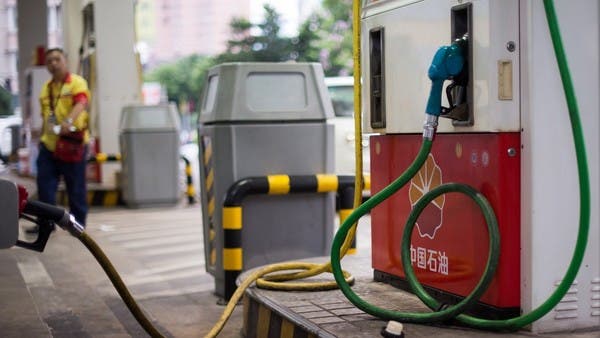

China’s unprecedented intervention to capfuel price increases underscores the escalating global economic fragility stemming from Middle East geopolitical tensions. The NDRC’s measures, limiting the retail price hikes to 1,160 yuan for gasoline and 1,115 yuan for diesel – a fraction of the market-driven increases – reveal the profound systemic risks emanating from the region. This vulnerability stems directly from the disruption to the critical Strait of Hormuz, through which roughly 20% of global energy supply transits. The conflict’s impact extends far beyond regional energy security, posing existential threats to the fiscal stability of oil-dependent MENA states already grappling with the dual pressures of sovereign debt burdens and declining hydrocarbon revenues.
Consequently, the MENA region faces intensified sovereign capital pressures. The sudden, sustained spike in Brent crude prices, exceeding 10% following attacks on key energy infrastructure, threatens to exacerbate existing budget deficits and hinder essential infrastructure investment. Gulf Cooperation Council (GCC) economies, whose sovereign wealth funds and sovereign debt levels are already stretched, must urgently deploy significant fiscal buffers to maintain social spending and energy subsidies. This reallocation of capital from sovereign portfolios towards domestic stabilization efforts directly competes with venture capital allocations for innovative sectors within the region, potentially stifling the very tech-driven diversification agendas MENA governments champion.
The infrastructure implications are equally severe. Attacks disrupting LNG exports from Qatar – wiping out 17% of its capacity for up to five years – highlight the extreme vulnerability of undersea pipelines and terminals. This forces MENA nations to rapidly reassess and diversify energy export routes, potentially escalating security investments and increasing transportation costs. Simultaneously, the surge in global energy prices intensifies the strategic imperative for MENA to accelerate investment in downstream processing and green hydrogen initiatives. However, the current climate of global energy uncertainty creates a challenging environment for mobilizing the substantial venture capital necessary to fund these complex, long-term infrastructure projects, demanding unprecedented collaboration between sovereign entities and private capital.
Ultimately, the MENA region’s economic resilience hinges on its ability to navigate this confluence of volatile energy prices, sovereign balance sheet pressures, and infrastructure bottlenecks. The current crisis acts as a brutal catalyst, accelerating the transition away from hydrocarbons while simultaneously testing the financial and operational capacity of its sovereign institutions and the viability of its nascent tech and green energy ventures. The strategic imperative now shifts towards securing diversified energy partnerships, enhancing regional energy interconnectivity, and fostering innovative financing mechanisms to bridge the widening gap between sovereign fiscal capacity and the capital required for critical regional modernization.