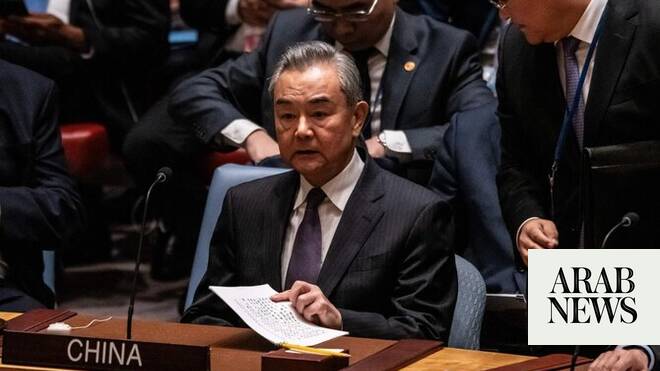

The geopolitical landscape remains a catalyst for strategic decision-making, particularly in Middle Eastern markets. As sovereign capital allocation strategies evolve, regional interdependencies intensify, necessitating alignment of domestic priorities with global demand flows. This dynamic underscores the imperative for institutions to harmonize short-term economic imperatives with long-term geopolitical stabilization, ensuring resilience against volatility exacerbated by shifting power balances within the region.
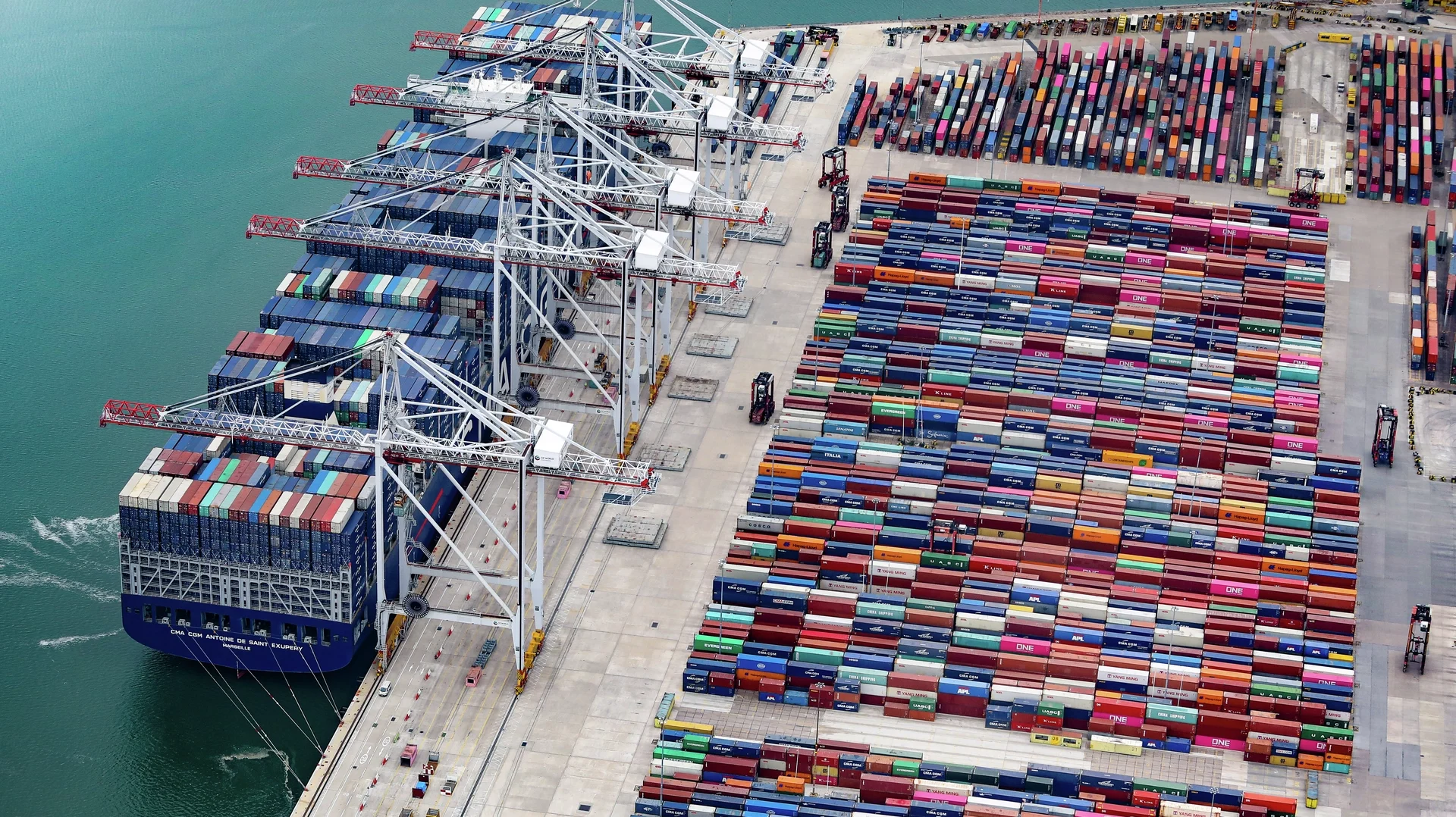
Regional infrastructure development serves as a linchpin bridging economic growth with geopolitical stability. Upgrades to transport and energy networks not only alleviate congestion but also mitigate vulnerabilities exacerbated by political fragmentation. Concurrently, public-private partnerships emerge as critical conduits for leveraging private capital to address infrastructural gaps, enabling sustained development while reinforcing infrastructure-dependent trade routes vital for regional connectivity.
Venture capital dynamics increasingly reflect the confluence of investor sentiment and structural macroeconomic conditions. Elevated capital flows and risk appetites correlate closely with public policy stability, with investors often prioritizing sectors offering strategic defensive value. This interplay necessitates adaptive investment frameworks that mitigate exposure to macroeconomic shocks, ensuring alignment with both market and sovereign objectives.
Emerging regional infrastructure projects reveal both opportunities and challenges, demanding coordinated governance to align investments with broader national narratives. Concurrently, the intensification of diplomatic engagements necessitates careful calibration to prevent entanglement in disputes over resource allocation. Collective resilience thus hinges on synchronized efforts to harmonize technical advancements with political and economic imperatives.